





Pine Bedroom Table
A pine bedroom table brings honest utility to a room, offering surface space and drawers shaped by the practical needs of the Victorian and Edwardian household.
Pine Bedroom Table
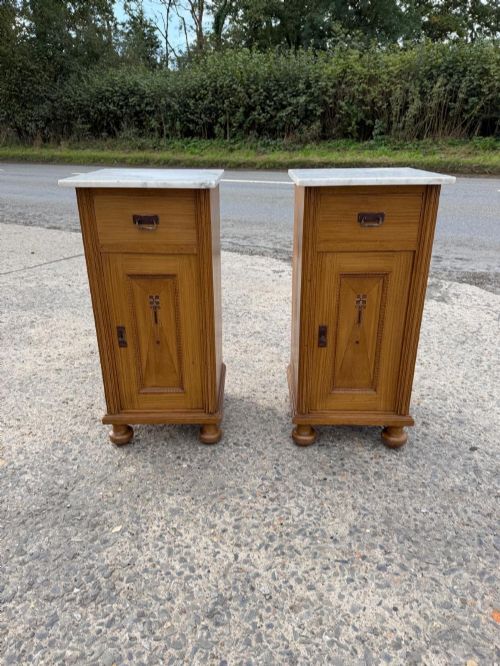
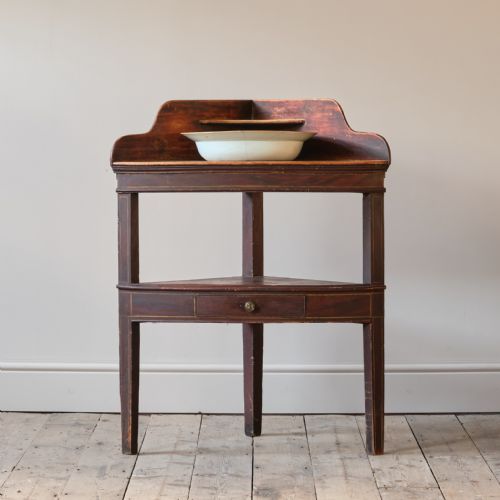
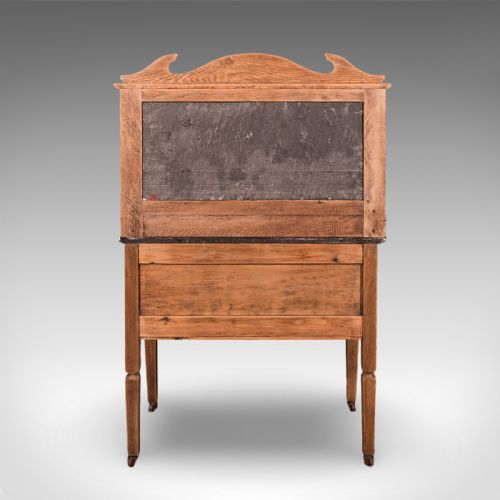
A pine bedroom table covers a variety of functional domestic forms, most commonly dressing tables, washstands, and bedside cabinets that served everyday routines in period bedrooms. When searching for a pine bedroom table, buyers most frequently encounter washstands and dressing tables dating from the Victorian and Edwardian eras, along with pieces from around eighteen-ninety and the Regency period.
The material character ranges from simple country house furniture to more elaborate urban pieces, incorporating variations such as painted finishes, stencilled details, and faux bamboo styles. Pedestal dressing tables and dressing chests with mirrors provide substantial storage, while smaller bedside chests offer compact utility alongside the bed.
Origins span straightforward workshop pieces to country house items, demonstrating how domestic furniture evolved to meet changing standards of hygiene and personal grooming. These tables combine utilitarian timber construction with surface treatments like marble tops or original paint.
How they were made
Makers built these pieces primarily from solid pine, utilising its accessible working properties for everyday domestic furniture that needed to withstand daily use. Construction often involved timber framing for drawers and supports, sometimes enhanced with decorative elements.
Surface finishes played a significant role in the appearance of these tables, with workshops applying original paint, stencilling, or faux bamboo effects to elevate the visual appeal of the softwood. Fitted elements such as ceramic components, glass, brass handles, slate, and marble tops added functional durability and contrast to the pine bodies.
Pine Bedroom Table Retail Price Guide 2026
Typical asking prices for pine bedroom table among the pieces listed under this phrase on Sellingantiques today, from the lower quarter to the upper quarter. They describe what is for sale here now, not the wider market.
Object forms span dressing tables, washstands, bedside cabinets, and dressing chests dating from eighteen-sixty to nineteen-ten.
What varies in quality
Quality in these pieces is dictated by the integrity of the timber construction, the sophistication of the joinery in the drawers, and the preservation of original decorative finishes like paint or stencilling. Superior examples retain their original brass hardware, glass mirrors, and secondary materials such as marble or slate tops without modern replacements.
The distinction between utilitarian country workshop output and finer urban furniture rests in the detail of the turned supports, the crispness of faux bamboo moulding, and the overall balance of proportions. Pieces that maintain their untouched painted surfaces or authentic period fixtures sit at a higher level than heavily altered or stripped examples.
The Pine Bedroom Table Glossary
- Washstand
- A piece of furniture designed to hold a basin and jug for morning ablutions, frequently topped with marble or tile splashbacks. These often feature lower shelves or cupboards for storage.
- Dressing Table
- A low table with drawers and a mirror, intended for grooming and personal care in the bedroom. Variations include pedestal configurations and dressing chests.
- Faux Bamboo
- A decorative technique where pine or other timbers are carved and painted to imitate natural bamboo stalks. This style gained popularity during the late nineteenth century.
- Pedestal Dressing Table
- A dressing table featuring banks of small drawers supporting the main writing or grooming surface on either side of the user. This form provides increased storage capacity.
- Stencilled Pine
- Softwood decorated with applied patterns using a cut-out template and pigment. This finish adds ornamental detail to otherwise plain utilitarian surfaces.
Pine Bedroom Table: Frequently Asked Questions
What is a pine bedroom table used for?
These tables served specific domestic functions in period bedrooms, acting as surfaces for washing, grooming, or bedside storage. Washstands held basins and water jugs, while dressing tables supported mirrors and toiletries.
Today, buyers adapt these versatile pieces for modern bedrooms or hallways as functional storage surfaces that introduce period character.
Are marble tops original to these tables?
Marble and slate tops were commonly fitted to washstands to provide a water-resistant surface that resisted staining during daily washing routines. These heavy stone inserts were selected for durability in functional areas.
When integrated correctly with the pine frame, they form an authentic part of the washstand's original design.
What is the difference between a washstand and a dressing table?
Washstands were built specifically to accommodate washing equipment, often incorporating stone tops, tile backs, and lower shelves for basins. Dressing tables were constructed for personal grooming and featured integrated mirrors and drawer space for cosmetics.
While both share pine construction and bedroom origins, their top surfaces and internal layouts reflect these distinct domestic tasks.