
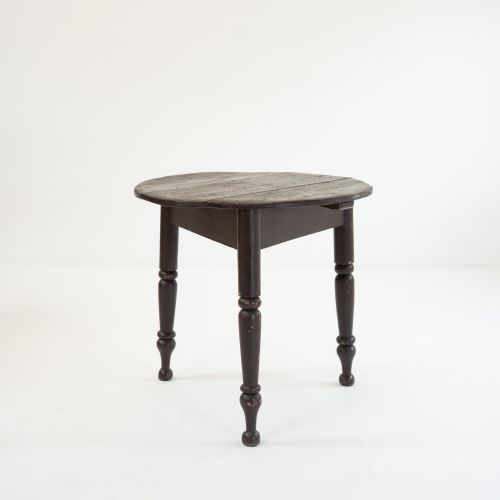


Pine Accent Side Table
A pine accent side table brings functional warmth and practical surface area to a room through honest vernacular carpentry.
Pine Accent Side Table
A pine accent side table is a compact surface built primarily from softwood timber, originating predominantly from the nineteenth century. These tables serve utility in domestic spaces as lamp tables, hall tables, or small occasional pieces.
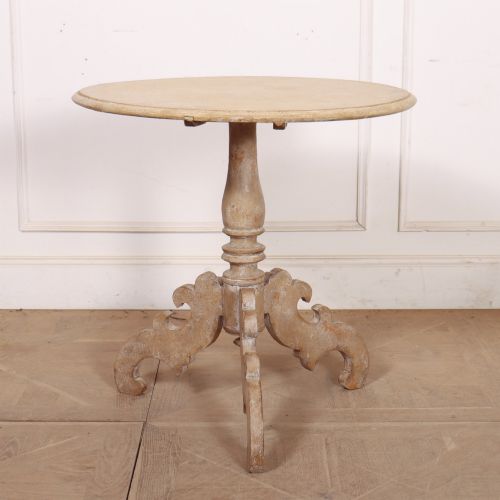
The variety encountered most often on this page is the traditional cricket table, featuring a round top supported by three legs. Regional English, Welsh, and Scandinavian country traditions shape the physical forms found here.
How they were made
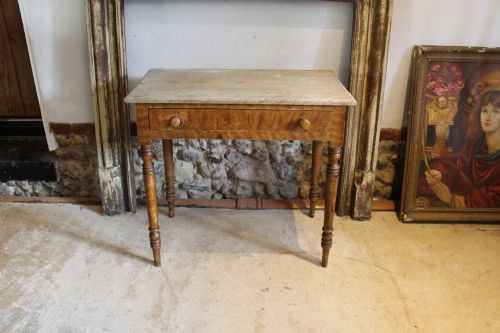
Makers constructed these tables using solid pine and pitch pine planks joined to turned or pegged legs. Surfaces frequently received protective layers of scumble glaze, oil paint, or decorative paint finishes applied by hand.
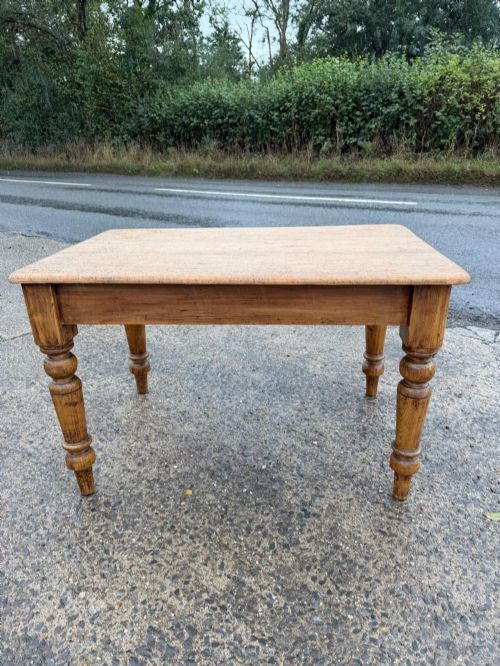
Joinery techniques relied on simple pegged joints, mortise and tenon frames, and occasionally bobbin-turned detailing on the legs for visual interest. Tops were sometimes left bare, bleached, or painted according to regional domestic customs.
Materials recorded across the inventory include solid pine, pitch pine, oak, brass fittings, and applied scumble glaze or painted wood surfaces.
What varies in quality
Quality rests upon the proportion of the proportions, the integrity of the original timber, and the survival of historic painted surfaces. Tables retaining genuine early scumble glazes or layered painted finishes stand apart from later stripped examples.
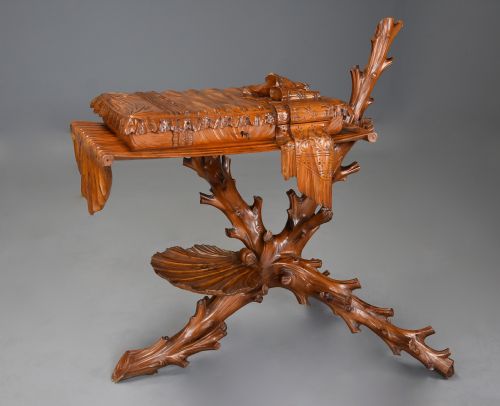
Construction robustness defines the better pieces, where legs remain firmly pegged into the underside without excessive movement. Finer craftsmanship appears in carved details, such as grotto work or balanced bobbin turnings.
The Pine Accent Side Table Glossary
- Cricket table
- A small round wooden table supported by three legs, historically designed to stand steady on uneven cottage floors. This form appears frequently in English and Welsh country contexts.
- Scumble glaze
- A translucent or semi-opaque paint layer manipulated with combs or rags to imitate more expensive grained timbers. It is often found on nineteenth-century country furniture.
- Pitch pine
- A durable, resinous softwood timber yielding prominent grain patterns, utilised for nineteenth-century cabinetry and sturdy occasional tables. It resists wear well.
- Bobbin turned
- A style of leg or stretcher turning shaped to resemble a string of wooden bobbins or spools. This decorative joinery detail is typical of nineteenth-century vernacular pieces.
- Grotto work
- Highly decorative carved woodwork styled after natural rock formations, shells, and marine themes. Italian examples demonstrate this ornate sculptural approach.
Pine Accent Side Table: Frequently Asked Questions
What is a cricket table?
A cricket table is a traditional three-legged small table designed to remain stable on flagged or uneven cottage floors. The three-legged format ensures the table does not wobble on domestic stone or timber surfaces.
Most examples date from the nineteenth century and utilise pine construction, sometimes finished with paint or left with a bleached top. They function easily as side tables or lamp stands in modern rooms.
Where were these tables made?
These pieces originate from various domestic workshops across England, Wales, and Scandinavia. Regional vernacular traditions dictated the specific leg turnings and edge profiles.
Country joiners built them using locally available pine and pitch pine. Painted finishes often reflect the specific interior decorative customs of Swedish or British rural homes.
How do I clean a painted pine table?
Painted surfaces require gentle dusting with a dry cloth and should avoid modern solvent-based cleaning sprays. Preserving the historic paint layer is the primary goal for nineteenth-century pieces.
Moisture can damage fragile scumble glazes, so any cleaning should use minimal water. Wax polish can protect bare pine tops without altering painted bases.
Are these tables sturdy enough for daily use?
Solid pine construction provides adequate durability for holding lamps, books, or decorative objects. Three-legged cricket tables distribute weight effectively across their tripod base.
Historic joints can loosen over decades of use, so checking leg stability is sensible. Most pieces easily handle normal daily placement in a sitting room or hallway.