

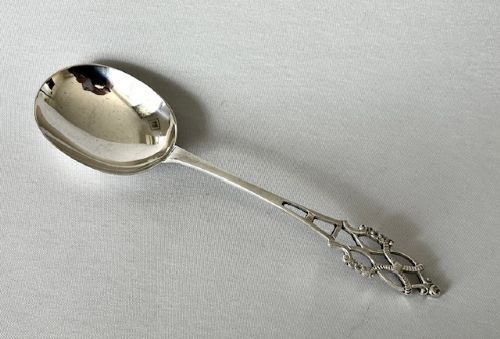

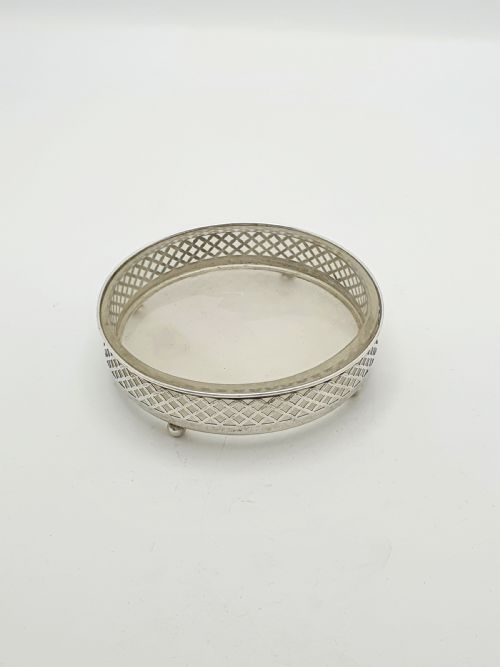
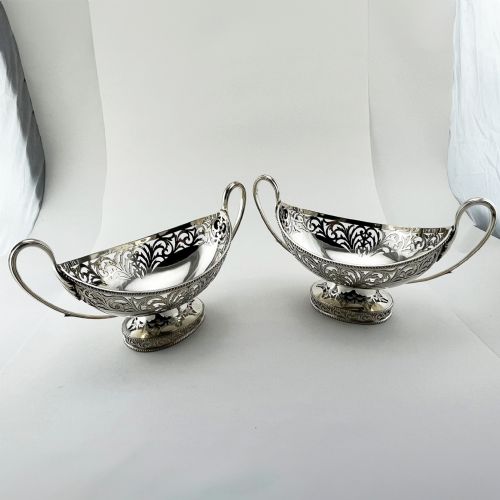


Pierced Silver Server
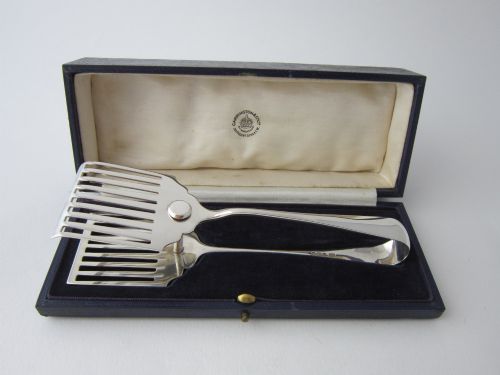
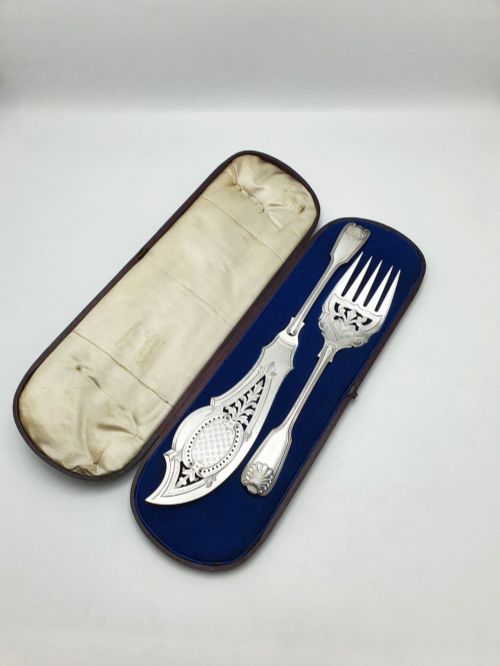
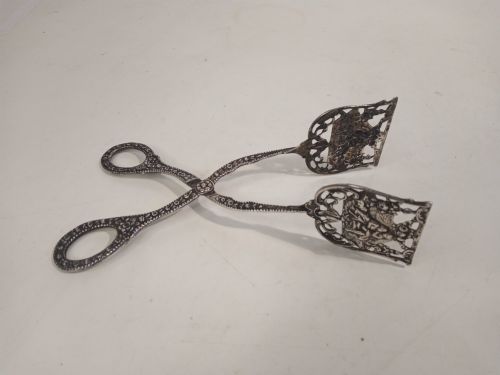
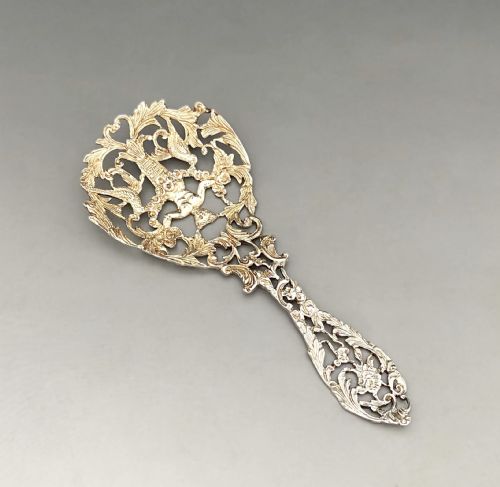
These pierced silver server pieces combine functional dining utility with intricate openwork craftsmanship across several centuries.
Pierced Silver Server
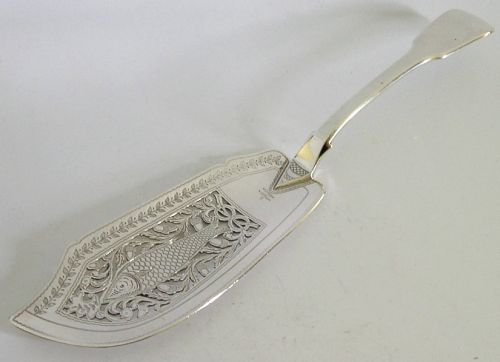
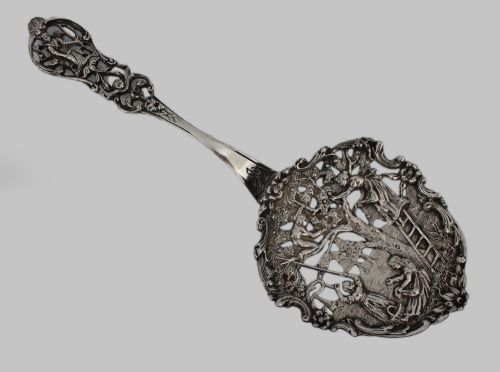
A pierced silver server encompasses a range of dining utensils designed for fish, pastry, fruit, and general serving purposes. When searching for a pierced silver server, buyers encounter various forms including fish slices, serving tongs, and specific utility utensils.
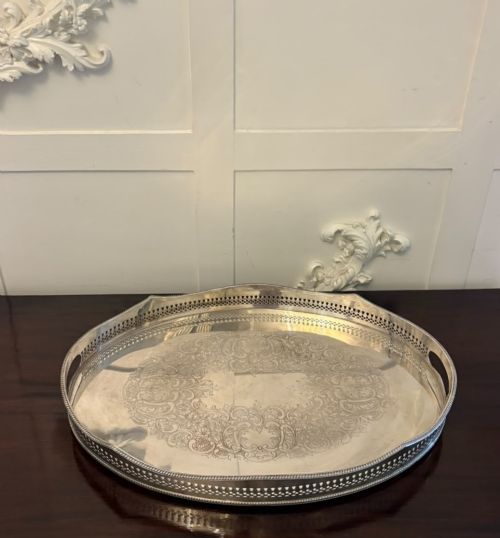
The pieces span multiple periods from the eighteenth century through the Edwardian era and the 1930s. Solid sterling silver and silver plate appear frequently alongside complementary materials such as glass and bone.
How They Were Made
Silversmiths utilised solid sterling silver and silver plate as the primary structural metals for these serving utensils. Artisans shaped handles and pierced blades by hand or utilised cast techniques to achieve detailed ornamentation.
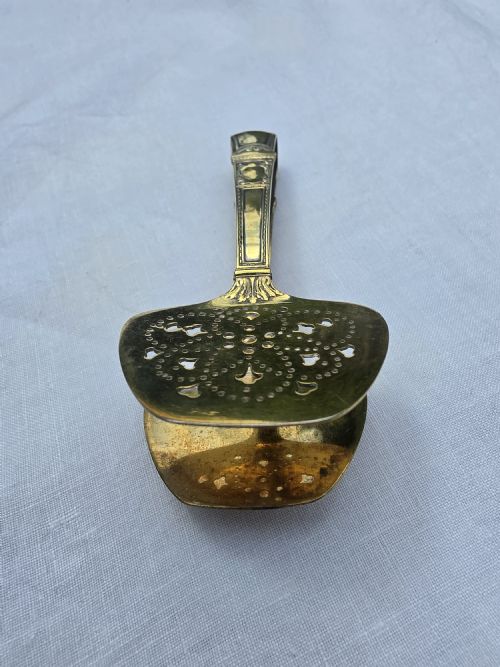
Additional materials like glass, bone, velvet, and silver gilt frequently integrated into designs for mustard pots, butter dishes, and specialised serving cutlery.
A sardine serving fork in the Old Orange Blossom pattern proves that Victorian and Edwardian dining took fish appreciation very seriously indeed.
What Varies in Quality
The refinement of the piercing work distinguishes the better examples from standard production. Crisp detailing in engraved patterns and substantial metal weight indicate superior manufacturing standards.
Maker attribution and the integrity of original fitted cases or glass liners influence the standing of individual pieces within the historical range.
Mappin & Webb·Tiffany & Company·William Comyns·Robert Hennell I·Thomas Bradbury·Thomas Daniell·George Adams·Charles Boyton·Martin Hall & Co·Alvin
The Pierced Silver Server Glossary
- Sterling silver
- A standard alloy consisting of ninety-two point five percent silver by mass. This material forms the body of many traditional serving utensils.
- Silver plate
- A base metal coated with a thin layer of pure silver. This technique provided an accessible alternative to solid silver items.
- Silver gilt
- Silver that has been coated with a layer of gold on its surface. This finish appears on decorative pastry and serving pieces.
- EPNS
- Electroplated nickel silver used as a base for plated tableware. It offered durability and an appearance similar to solid silver.
- Fiddle pattern
- A nineteenth-century handle shape characterised by a shoulders-and-notch contour resembling a violin. It remains common on flatware and fish slices.
Pierced Silver Server: Frequently Asked Questions
What are pierced silver servers used for?
These utensils serve specific dining functions such as transferring fish portions, cakes, pastries, and condiments at the table. Their pierced blades allow liquid or crumbs to drain away during service.
Historically, specific forms developed for distinct foods, ensuring the correct tool for dishes ranging from asparagus to sardines.
How do I care for antique silver serving pieces?
Regular gentle cleaning with a specialised silver cloth prevents heavy tarnish accumulation without abrading the metal. Avoid harsh chemical dips that strip away patination and fine engraving details.
Storage in dry environments away from direct sunlight protects any integrated organic materials like bone handles or velvet linings.
How can I tell the period of a silver server?
Hallmarks stamped onto sterling silver pieces provide specific assay office symbols, date letters, and maker marks for exact dating. Stylistic indicators like Georgian fiddle patterns or Edwardian engraving styles also point to the era of manufacture.
Silver plate items often rely on maker ciphers and stylistic trends rather than official date hallmarks to determine their age.
What is the difference between solid silver and silver plate?
Solid silver pieces consist of the same precious metal alloy throughout their entire thickness, providing long-term durability and weight. Silver plate items utilise a base metal core covered by a thin exterior layer of silver.
Solid pieces carry traditional hallmarks, whereas plated items typically feature manufacturer marks indicating the plating process used.