
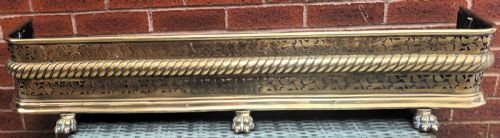
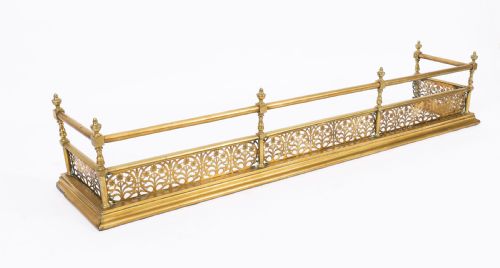

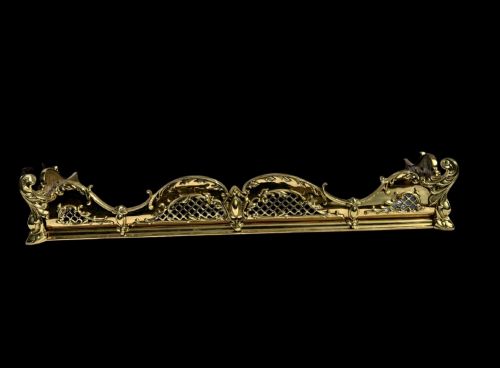


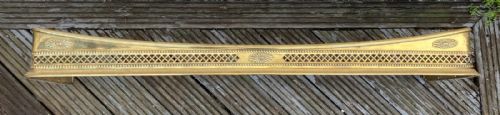
Pierced Brass Hearth Kerb
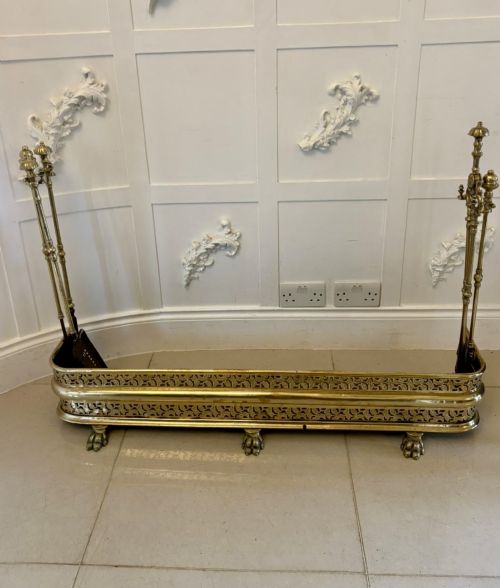
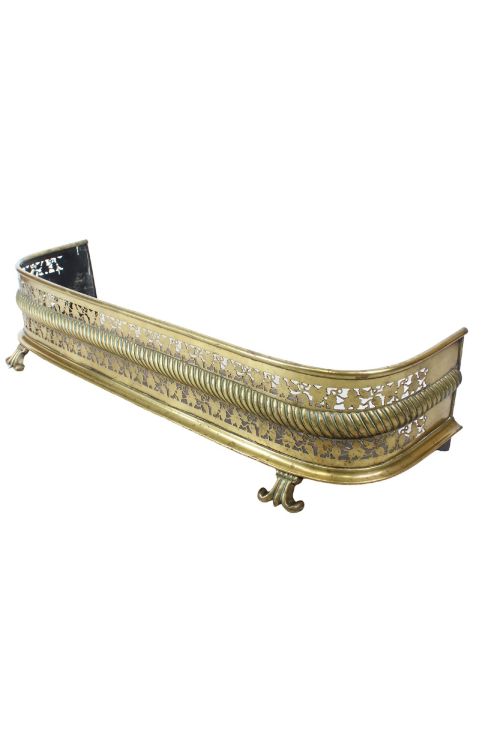
A pierced brass hearth kerb frames the fireplace with bright metalwork, keeping stray embers in check while catching the flickering light of the hearth.
Pierced Brass Hearth Kerb
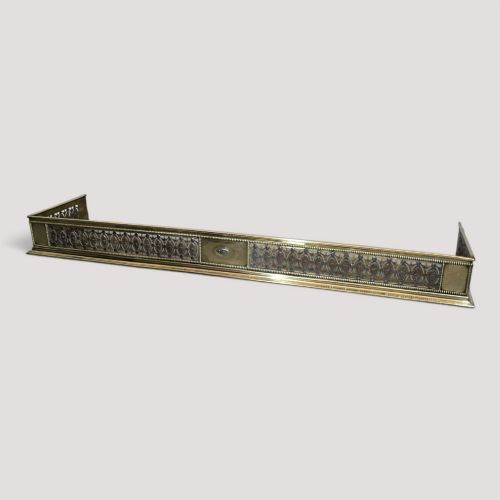
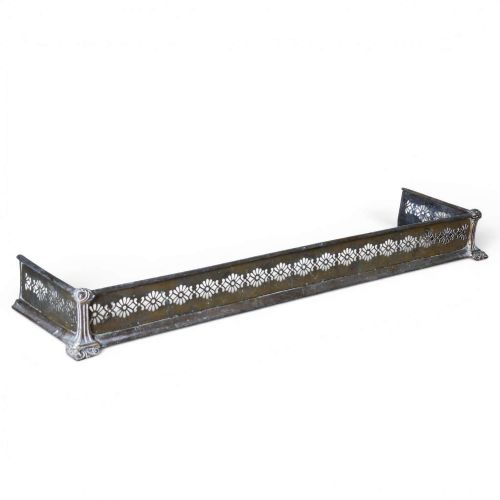
A pierced brass hearth kerb is a metal barrier placed directly on the floor in front of an open fireplace. These accessories protect the room from rolling embers and define the hearth area with ornamental metalwork.
The selections available span several distinct periods including Georgian, Regency, William IV, and Victorian eras. Makers produced these fenders in various sizes to suit different fireplace openings, incorporating iron and steel components alongside the primary brass structure.
Most examples rely on decorative piercing through the brass plates to create open patterns. Alongside standard straight designs, curved formats appear from time to time to fit specific hearth layouts.
How they were made
Craftsmen built these kerbs using sheet brass alongside structural iron or steel frames for added weight and support. Metal was cut, pierced with decorative motifs, and formed into rigid fenders designed to withstand hearthside heat.
Many examples combine polished brass with cut steel or cast elements, while other pieces feature blackened finishes alongside bright metal detailing. Surface work ranges from smooth polished brass to patinated finishes acquired over decades of use.
Listings feature pieces spanning the Georgian, Regency, and Victorian periods, constructed from brass, iron, and cut steel.
What varies in quality
The calibre of a pierced brass hearth kerb depends heavily on the precision of the metal piercing and the thickness of the brass sheet used. Finer pieces demonstrate crisp detailing in the pierced patterns and robust construction in the internal iron framework.
Integration of secondary materials such as cut steel or matching fire irons elevates the distinction of an individual piece. Weight and substance also differentiate standard production items from heavier, substantial examples.
The Pierced Brass Hearth Kerb Glossary
- Kerb fender
- A low metal barrier enclosing the hearth to contain ash and burning embers. This term is frequently used interchangeably with fire fender.
- Pierced brass
- Sheet metal perforated with decorative patterns to let light through and lighten the visual weight of the metal. Artisans used saws and punches to achieve these openwork designs.
- Cut steel
- Faceted steel studs riveted to a metal backing to catch the firelight. This technique appears on higher-status hearth furnishings.
- Patina
- The surface sheen and darkening developed by metal through age, handling, and polishing. Collectors value this evidence of long-term existence.
Pierced Brass Hearth Kerb: Frequently Asked Questions
What is a pierced brass hearth kerb?
A pierced brass hearth kerb is a protective metal barrier placed in front of an open fire to stop embers from reaching the room. These items combine a decorative brass outer frame with structural iron or steel.
Craftsmen pierced the metal panels with ornamental patterns to let light pass through while keeping the hearth tidy. They serve both a practical containment role and an aesthetic purpose in period rooms.
How do I date a brass fender?
Dating relies on stylistic clues and construction methods that shift across the Georgian, Regency, William IV, and Victorian periods. Georgian and Regency examples often integrate cut steel elements, whereas Victorian pieces frequently display heavier cast frames and distinct floral piercing.
Examining the underside and the fastening methods reveals period-specific manufacturing traits. Comparing the design vocabulary to known era styles confirms the likely decade of production.
How do I clean a brass hearth kerb?
Cleaning requires a gentle approach to preserve the aged surface character and historic patina that collectors appreciate. Light dusting and occasional application of a mild brass cleaner on unlacquered surfaces maintains the metal without stripping its history.
Harsh abrasives should be avoided because they wear down the crisp edges of the pierced patterns. Allowing the metal to retain some darkness in the recessed areas enhances the visibility of the design.
Did these fenders come with fire tools?
Some sets included matching fire irons designed to sit alongside or coordinate with the metal kerb. These companion pieces shared similar brass or steel finishes to create a unified hearth display.
Finding a fender that retains its original fire tools is unusual, as components often became separated over the decades. When present, matching tools complete the functional arrangement of the fireplace.