



Piano Seating Furniture
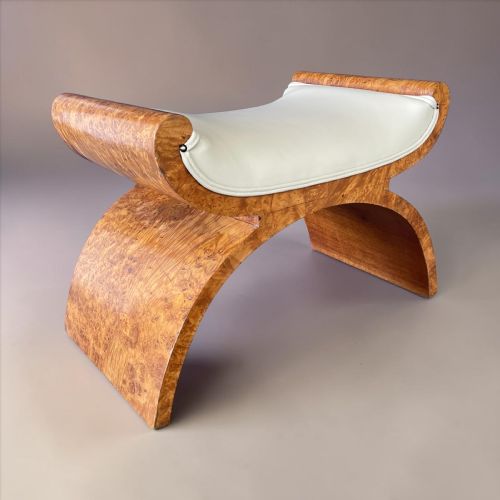
Piano seating furniture encompasses robust Victorian revolving stools and sleek Art Deco benches designed to support musicians at the keyboard.
Piano Seating Furniture
Piano seating furniture comprises specialised stools, benches and chairs created for musicians during performance. When searching for piano seating furniture, buyers encounter diverse forms ranging from single revolving stools to double duet benches.
The pieces appearing most frequently on this page date from the nineteenth and early twentieth centuries, spanning the Georgian, Regency, Victorian and Edwardian eras. Common regional variations include English, Scottish and Irish examples alongside Burmese and Canadian pieces.
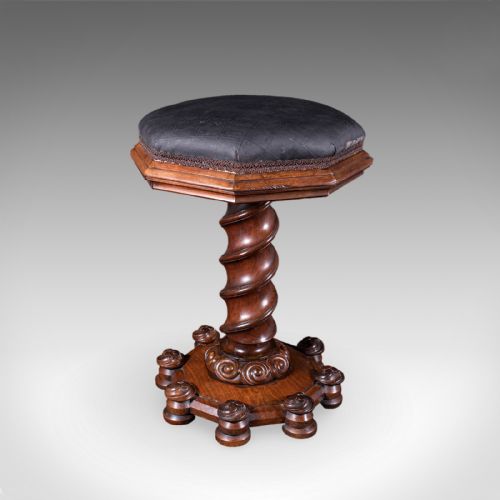
Forms span revolving piano stools, music stools, music chairs, duet stools and window seats adapted for keyboard use. Many incorporate mechanical height adjustment or lift-up storage compartments for sheet music.
How they were made
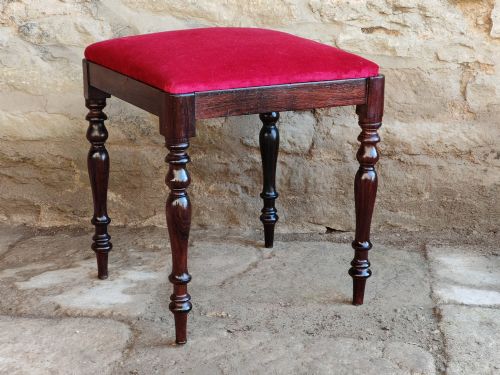
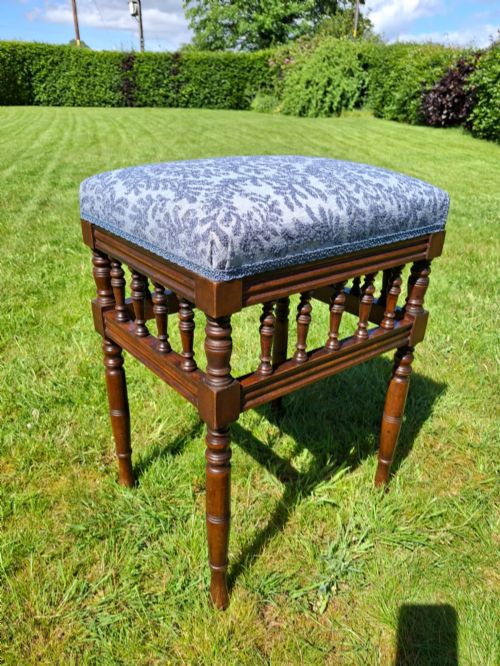
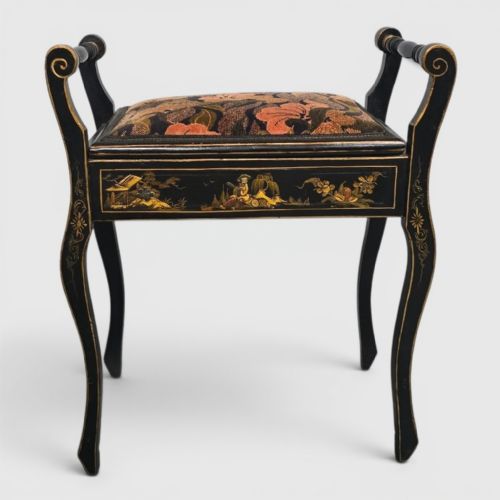
Cabinet makers utilised dense hardwoods such as mahogany, rosewood, walnut, goncalo alves, padouk and ebonised timber to construct durable frames. Turning, carving and cabriole legs define the structural woodwork across these periods.
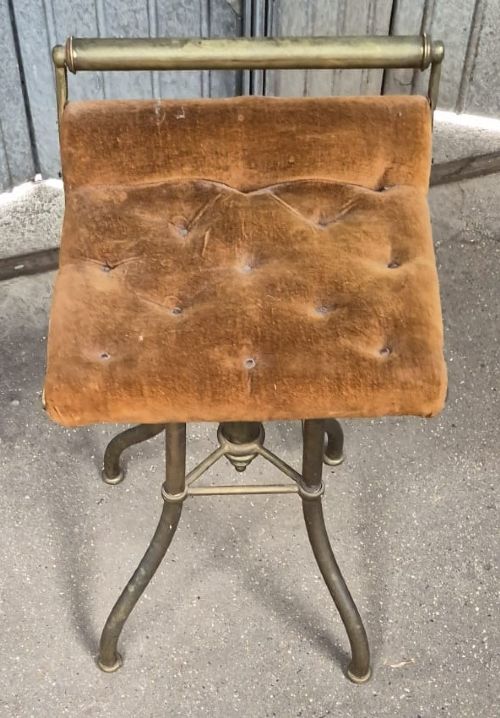
Seating surfaces feature traditional upholstery in velvet, leather and assorted fabrics, sometimes framed in brass, giltwood or ormolu. Patent mechanisms and brass fittings enable the revolving and adjustable actions found on musical seats.
Piano Seating Furniture Retail Price Guide 2026
Typical asking prices for piano seating furniture among the pieces listed under this phrase on Sellingantiques today, from the lower quarter to the upper quarter. They describe what is for sale here now, not the wider market.
Organists acquired dedicated chapel stools with built-in music risers to manage complex liturgical scores.
What varies in quality
Quality rests in the precision of the turning and the depth of timber carving, where firm joinery distinguishes superior workshop output. The sophistication of patent revolving mechanisms and adjustable screws also separates standard production from finer creations.
Material selection dictates the grade of the piece, from richly figured rosewood and mahogany to simpler walnut or ebonised woods. Original upholstery details and specialist mounts like ormolu or brass inlay elevate the execution.
Harry and Lou Epstein·James Shoolbred
The Piano Seating Furniture Glossary
- Revolving piano stool
- A seat with a screw mechanism allowing the pianist to alter their height by spinning the top. This adjustable design became standard throughout the nineteenth century.
- Duet stool
- A wider bench designed to accommodate two players performing together on the same keyboard. These frequently incorporate lift-up seats for storing larger volumes of sheet music.
- Cabriole leg
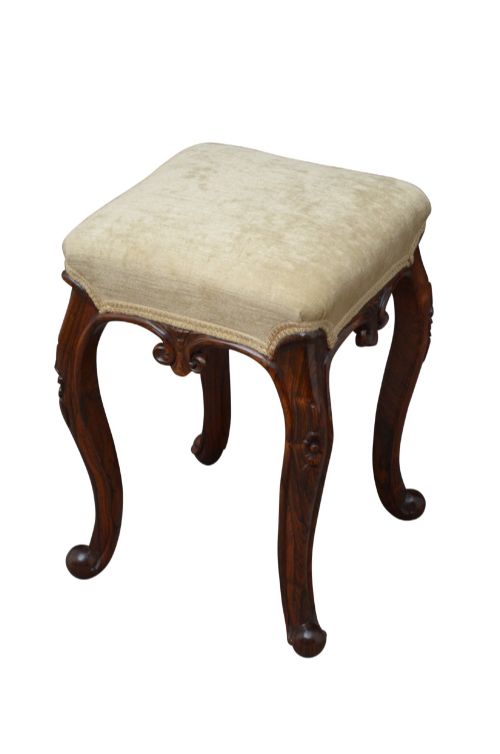
- A furniture leg that curves outward at the knee and tapers inward toward the foot, often ending in a pad or scroll. This styling appears frequently on Georgian and Victorian pieces.
- Ebonised
- Timber treated with a finish to imitate expensive ebony wood. Makers utilised this technique on nineteenth-century seating to create a sleek, dark surface.
Piano Seating Furniture: Frequently Asked Questions
How do I adjust the height?
Many period pieces utilise a central wooden or metal screw thread hidden beneath the seat. Turning the upper cushion clockwise or anti-clockwise raises or lowers the sitting position.
Other designs rely on patent mechanical levers or ratchets housed within the underframe. Users operate these controls to lock the seat at the desired level.
Where was sheet music stored?
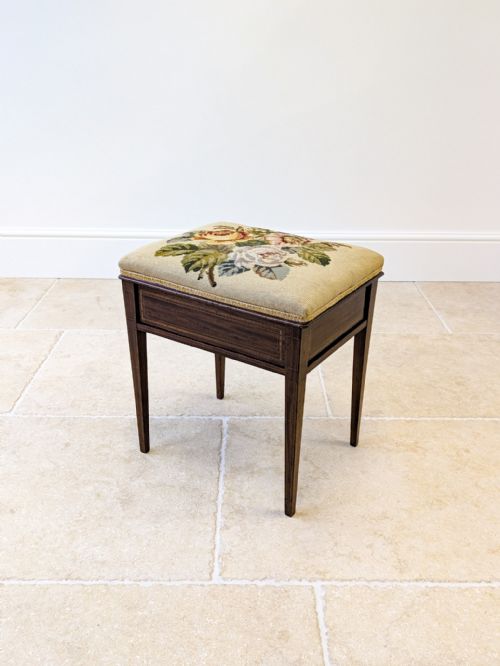
Certain duet benches and Edwardian stools feature hinged lift-up lids on the seats. Pianists placed their scores directly into the compartment beneath the upholstery.
Single revolving stools generally lack internal storage space. Musicians kept their folios in separate cabinets beside the instrument instead.
What is a duet stool?
A duet stool is an elongated bench built for two people playing a piano simultaneously. They provide a wider seating platform than standard single music stools.
Makers constructed these longer frames in mahogany and walnut during the Victorian and Edwardian periods. Many include upholstered tops with internal compartments for multiple music books.
How do I date a piano stool?
Dating relies upon stylistic markers such as cabriole legs, brass framing, or inlaid mahogany typical of Georgian, Victorian or Edwardian craftsmanship. The presence of patent brass mechanisms also points to specific nineteenth-century decades.
Makers' stamps or labels beneath the woodwork occasionally confirm exact workshops and eras. Wood choices like rosewood or padouk further indicate the prevailing tastes of a specific century.