

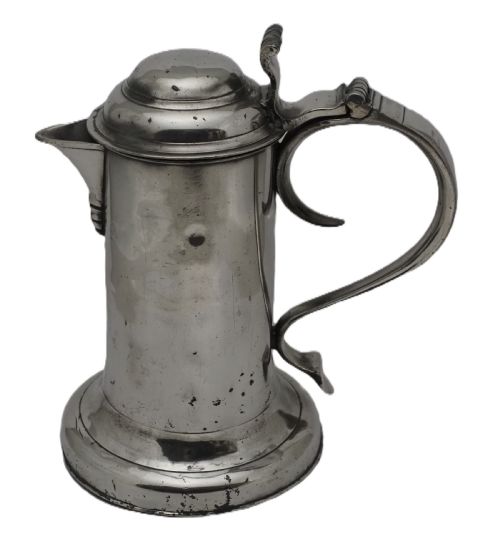

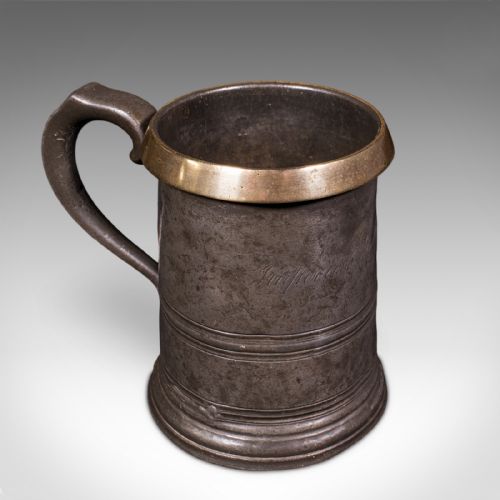


Pewter Tankard Jug
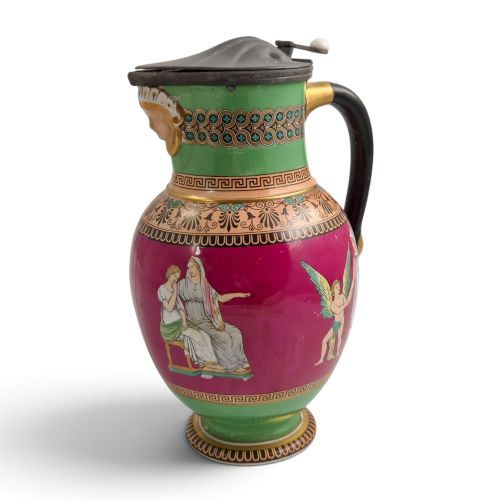
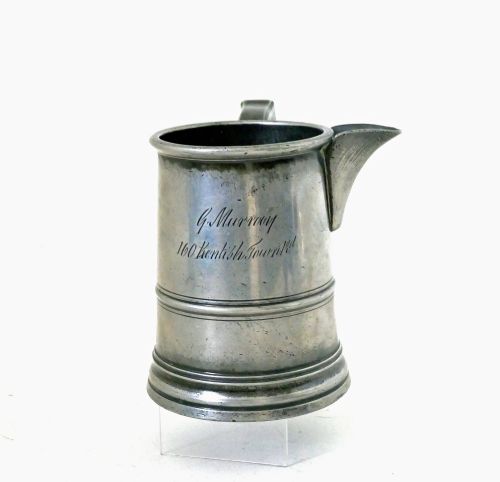
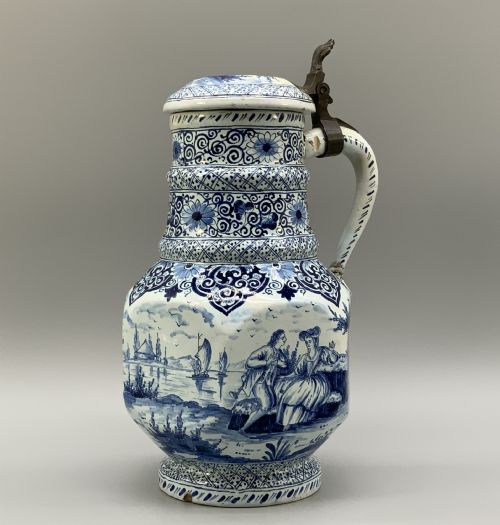
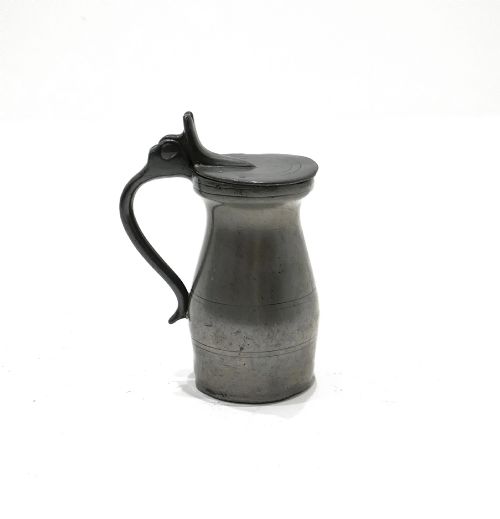
These pewter tankard jug pieces combine heavy metal and ceramic forms for daily drink, serving well in a rustic home.
Pewter Tankard Jug
A pewter tankard jug search reveals drinking vessels spanning the eighteenth and nineteenth centuries, including Georgian and Victorian periods. The selection runs from public house tankards and spirit measures to church flagons and lidded pitchers.
Buyers meet sturdy metal containers alongside tin-glazed earthenware and faience examples featuring pewter lids. Tappit hens and spire flagons sit beside tavern measures and ale jugs.
Origin points stretch across England, Scotland, Ireland, Jersey, Guernsey, and Germany. These drinking vessels served domestic tables and public houses alike.
Materials and construction
Pewter forms the primary metal body, often cast and shaped with flat lids, handle attachments, and engraved details. Makers also utilised tin-glazed earthenware and faience, pairing ceramic bodies with metal lids.
Brass, copper, glass, enamel, and silver plate appear alongside the core metal work. Surface decoration includes engraved names, crests, and hops motifs.
Pewter Tankard Jug Retail Price Guide 2026
Typical asking prices for pewter tankard jug among the pieces listed under this phrase on Sellingantiques today, from the lower quarter to the upper quarter. They describe what is for sale here now, not the wider market.
Listings feature pewter alongside tin-glazed earthenware, brass, copper, glass, and silver plate across the eighteenth and nineteenth centuries.
Quality variations
Metal thickness and casting weight set examples apart, with heavier gauge pieces showing more robust handle attachments and crisper touchmarks. Clean casting lines and balanced proportions separate utilitarian tavern pieces from finer display items.
Surface preservation dictates overall character, distinguishing patinated metal with clear touchmarks from heavily worn or scrubbed examples. The alignment of lidded joints and the crispness of engraved decoration reveal the maker's hand.
JOHN HEANEY OF DUBLIN·ROBERT ILES OF LONDON·JOHN DE ST CROIX
The Pewter Tankard Jug Glossary
- Flagon
- A large drinking vessel with a handle and spout, frequently used for church services or communal drinking. These often feature tall bodies and secure lids.
- Tappit hen
- A traditional Scottish type of metal drinking measure featuring a lid and a distinctive knob on top. These hold specific historic volumetric capacities.
- Spirit measure
- A small container used for dispensing measured quantities of alcohol in public houses. Examples include half gill and half pint sizes.
- Tin-glazed earthenware
- Pottery covered with a tin-opacified glaze that provides a white surface for painted decoration. Dutch and German potteries utilised this technique for beer jugs.
- Spire flagon
- A tall drinking vessel featuring a tapering lid resembling a spire. These English pieces date primarily to the eighteenth century.
Pewter Tankard Jug: Frequently Asked Questions
What is a spirit measure?
A spirit measure is a small vessel designed to hold a precise volume of alcohol for tavern service. These containers often bear official verification marks.
Such pieces show how public houses dispensed drinks before standardised modern systems took over.
How do I spot a church flagon?
Church flagons stand taller than standard domestic tankards and usually incorporate spouts or spire lids. Their substantial capacity suited sacramental use.
These ecclesiastical pieces often carry provenance linking them to specific parishes or makers.
What is a tappit hen?
A tappit hen is a distinctive Scottish pewter measure with a lid and a knob resembling a nesting bird. These vessels held specific Scottish liquid volumes.
Collectors prize these forms for their sculptural weight and regional history.
How do I care for antique pewter?
Antique pewter requires gentle cleaning with mild soap and warm water followed by thorough drying. Avoid harsh metal polishes that strip away historic surface patination.
Display these vessels away from direct heat sources to protect the metal composition.