





Persian Stripe Textile
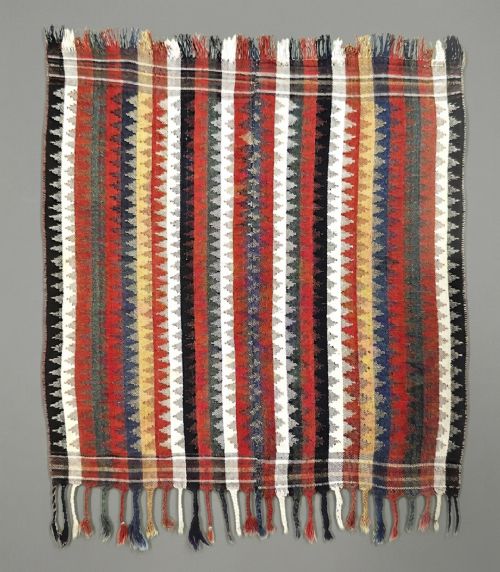
These persian stripe textile examples are woven tribal flatweaves and utility cloths created by nomadic groups across Persia.
Persian Stripe Textile
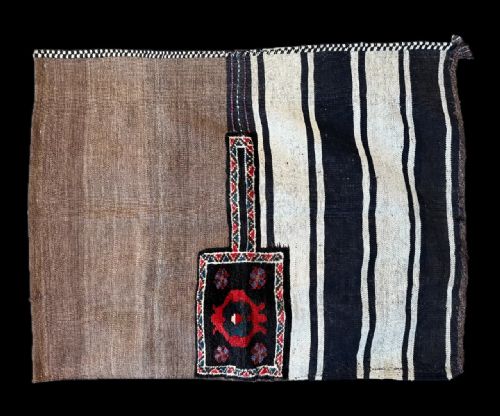
A persian stripe textile brings together the practical woven arts of nomadic and village groups from regions such as Fars and the Chahar Mahal valley. Buyers searching for a persian stripe textile encounter flatweaves, wall hangings, and functional grain bags created by tribes including the Qashqa'i, Bakhtiari, and Shahsavan.
The objects take several distinct forms on this page, dominated by flat weave rugs, wheat sacks known as tacheh, and bread sofreh cloths. These pieces reflect the daily domestic and pastoral needs of nineteenth-century weavers working in wool, cotton, and silk.
Dating across the selection spans the late nineteenth and early twentieth centuries, centring on the decades around nineteen hundred. Each piece carries the distinct geometric patterns and stripe arrangements characteristic of tribal production in South-West and Western Persia.
Materials and construction methods
Weavers constructed each persian stripe textile using hand-spun wool, cotton, and occasionally silk or goat hair. Natural fibres were spun by hand before being woven into flat structures without a piled surface.
Techniques relied on traditional flatweave methods to produce structural textiles like jajim, moj, and double-sided storage bags. These methods allowed nomadic makers to create durable fabrics suitable for carrying grain, covering bread, or lining tent floors.
Persian Stripe Textile Retail Price Guide 2026
Typical asking prices for persian stripe textile among the pieces listed under this phrase on Sellingantiques today, from the lower quarter to the upper quarter. They describe what is for sale here now, not the wider market.
Several textiles served as wheat sacks, meaning your wall hanging might once have spent its youth hauling grain across the Persian mountains.
Distinctions in craftsmanship
Quality in a persian stripe textile rests upon the fineness of the spin and the precision of the flatweave structure. Tighter, more even weaving indicates superior control over the loom by the tribal artisan.
The choice of materials and the complexity of the stripe arrangement further separate individual pieces. Intact structural elements, such as original side cordings and complete bag faces, distinguish better-preserved examples from heavily altered fragments.
The Persian Stripe Textile Glossary
- Flat weave
- A textile produced without knotted pile by interlacing warp and weft threads directly on a loom. This technique results in a thin, flexible fabric.
- Sofreh
- A spread or cloth traditionally used for serving meals or preparing bread in Persian households. These utilitarian textiles often feature strong linear designs.
- Tacheh
- A traditional wheat sack or grain storage bag made by tribal weavers. They are heavily collected today for their graphic stripe patterns.
- Jajim
- A bright flat-woven cloth constructed in narrow strips and stitched together. They frequently display vibrant alternating colour bands.
- Moj
- A large decorative flatweave textile used as a floor spread or wall hanging by the Bakhtiari tribes. They showcase skilled handling of geometric stripes.
Persian Stripe Textile: Frequently Asked Questions
What is a persian stripe textile?
A persian stripe textile is a flat-woven tribal piece created by nomadic weavers in regions such as Western and South-West Persia. These items include utilitarian wheat sacks, bread cloths, and decorative floor spreads.
They are defined by strong linear patterns and flat construction methods rather than a piled surface. Each piece serves as a record of traditional nomadic craft from the nineteenth and early twentieth centuries.
How were these textiles used?
Nomadic and village groups utilised these woven pieces for daily survival, storage, and domestic rituals. Wheat sacks transported grain, while sofreh cloths provided a clean surface for preparing bread and sharing meals.
Larger flatweaves functioned as wall hangings, floor spreads, or bedding inside tents. Their durability made them essential gear for pastoral life.
How do I care for a flatweave?
Protect antique flatweaves by keeping them out of direct sunlight to prevent fading of the natural fibres. Gentle vacuuming without a rotating brush helps remove dust without damaging the weave.
For wall mounting, use a non-damaging sleeve or support system that distributes the weight evenly across the entire textile. Avoid hanging heavy pieces by a few isolated points.
How can I tell the period?
Dating relies on examining the materials, structural wear, and dye characteristics visible in the weave. Pieces from the nineteenth century often feature hand-spun wool and specific tribal palettes.
Structural formats like authentic wheat sacks and traditional bread spreads point to active periods of nomadic production around nineteen hundred. Comparing the weave density and tribal motifs helps confirm the era of origin.