






Persian Mihrab Rug
A persian mihrab rug is a woven textile featuring an arch design, sought for its deep connection to nomadic prayer traditions.
Persian Mihrab Rug
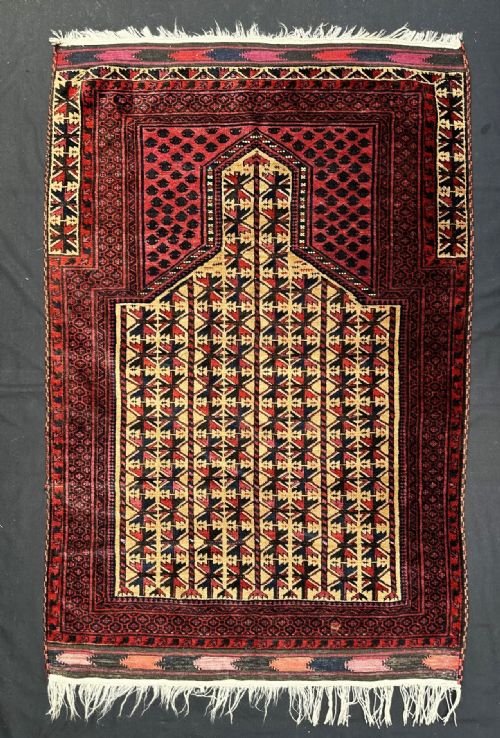
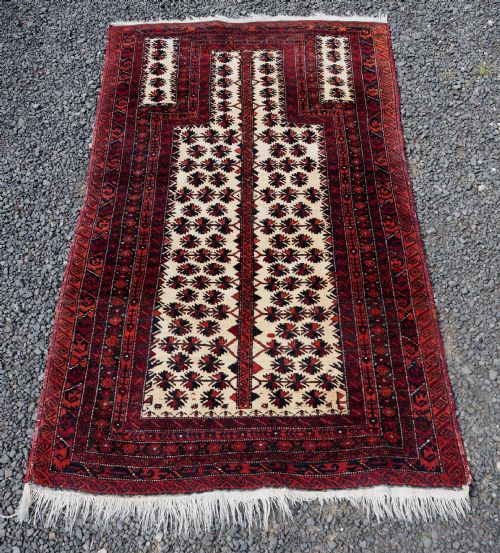
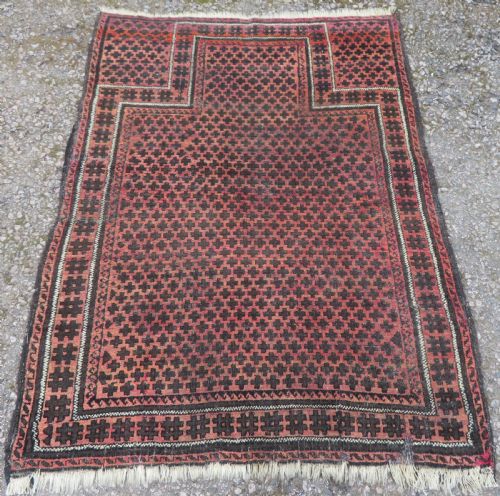
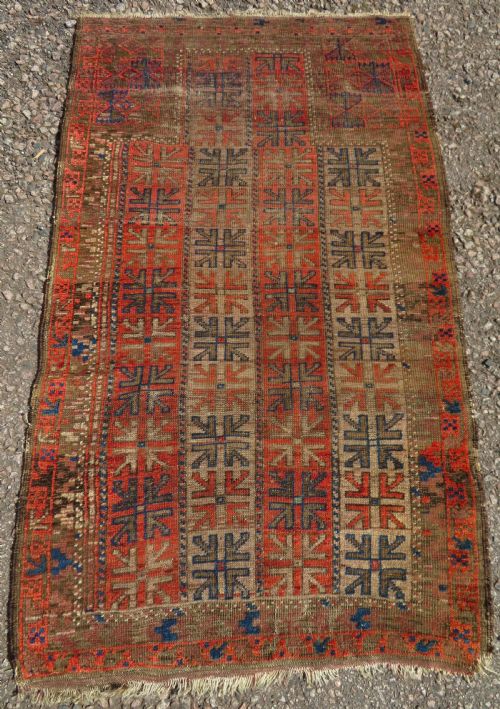
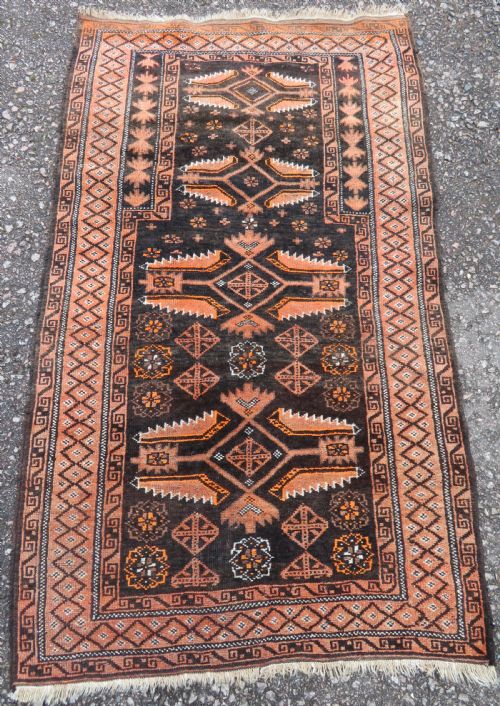
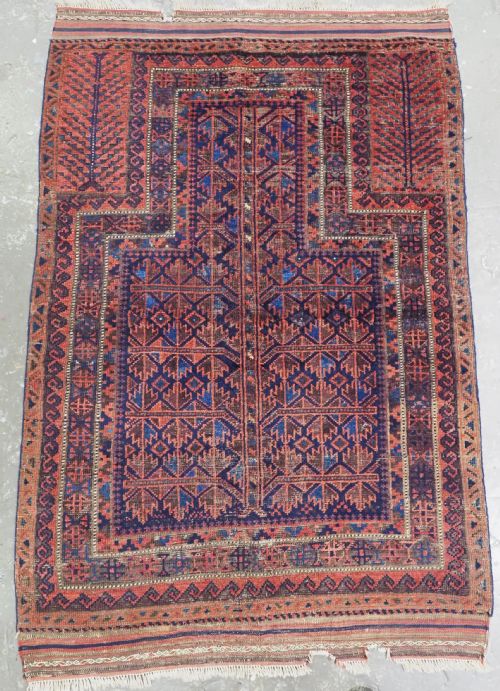
A persian mihrab rug centres on an arch motif representing the directional niche found in mosques. These pieces originate from tribal and village contexts across the region, including Baluch, Timuri, Afghan, and Kashan groups.
Most examples encountered here date from the nineteenth and early twentieth centuries, spanning periods from eighteen-eighty to nineteen-fifty. The forms include smaller prayer formats alongside broader area carpets with floral vase or tree of life designs.
How They Were Made
These textiles are handwoven using natural fibres such as wool, cotton, silk, and camel hair. The structures rely on wool foundations and pile knotted by nomadic and village weavers.
Dyes and spinning methods reflect traditional craft practices of Persian tribal groups, producing varied surface textures across Timuri, Baluch, and Kashan workshops.
Persian Mihrab Rug Retail Price Guide 2026
Typical asking prices for persian mihrab rug among the pieces listed under this phrase on Sellingantiques today, from the lower quarter to the upper quarter. They describe what is for sale here now, not the wider market.
Occasional eccentric pieces reveal unexpected human figures woven right into the traditional prayer arch.
What Varies in Quality
Quality rests in the precision of the arch drawing, the saturation of the wool or silk pile, and the clarity of secondary motifs like lotus leaves or floral vases. Finer knotting density and balanced proportions separate standard tribal work from exceptional examples.
The handling of natural materials, particularly camel hair and dyed wool, dictates the tactile depth and visual rhythm of the surface over decades of use.
The Persian Mihrab Rug Glossary
- Mihrab
- The architectural arch design framing the focal point of the prayer rug. This niche directs the placement of the textile during devotion.
- Timuri
- A tribal affiliation linked to specific prayer rug designs such as the Dokhtar-e-Qazi pattern. These pieces often originate from the north-east borderlands.
- Kashan
- A centre of Persian urban weaving known for detailed floral vase and millefleurs designs. These city rugs contrast with nomadic tribal formats.
Persian Mihrab Rug: Frequently Asked Questions
What is a persian mihrab rug?
A persian mihrab rug is a handwoven textile defined by an arch motif that symbolises a prayer niche. These pieces come from various tribal and regional traditions across Persia and surrounding borderlands.
Weavers utilised materials like wool, cotton, and camel hair to create portable spaces for devotion and reflection.
How were these rugs used?
Historically, these textiles served as portable prayer mats for daily devotion among nomadic and village communities. The arch motif was oriented toward specific directions during prayer.
Beyond religious use, they functioned as durable floor coverings and valued household furnishings in tribal tents and dwellings.
How do I live with one?
Placing these textiles in low-traffic areas protects the delicate wool and silk pile from excessive wear. Natural light highlights the varied tones of camel hair and dyed wool without causing rapid fading.
Regular gentle care preserves the structure of older tribal and village weaves in a modern interior.
How do I tell periods apart?
Dating relies on observing material characteristics, structural dyes, and stylistic shifts recorded across nineteenth and twentieth-century examples. Earlier nineteenth-century pieces often display distinctive tribal wool preparations and natural colour variations.
Mid-century and later rugs show evolving workshop techniques and different handling of traditional floral and geometric motifs.