




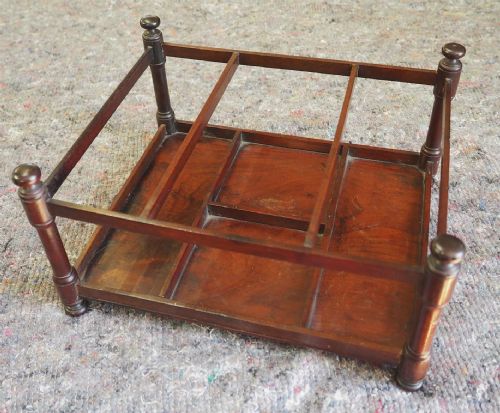
Period Wooden Tray
A period wooden tray brings genuine Georgian or Victorian utility and warmth to a room, offering practical surface space anchored in traditional craftsmanship.
Period Wooden Tray
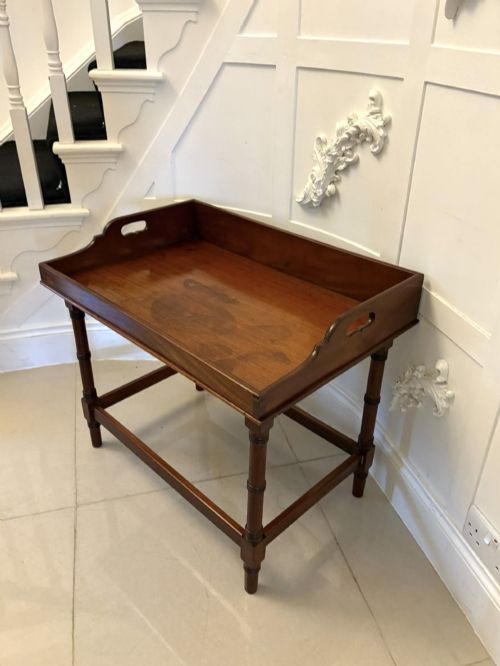
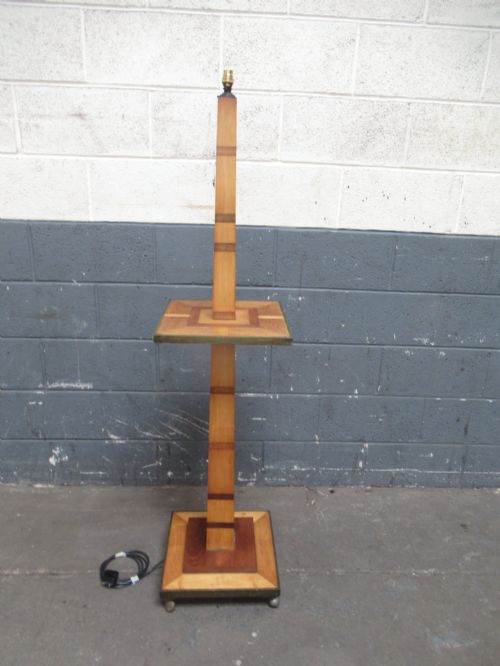
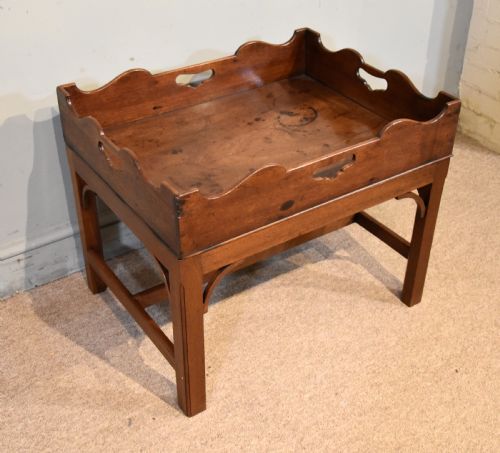
When buyers search for a period wooden tray, they encounter functional serving items and low table forms from the eighteenth and nineteenth centuries. The selection ranges from standalone serving trays to butler trays mounted on folding stands and lamp tables with raised tray edges.
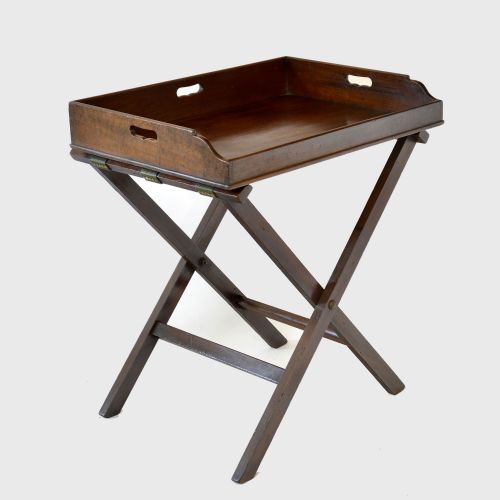
The version most commonly met on this page is the mahogany butler tray on a stand, often dating from the Georgian or Victorian eras. These pieces bridge the gap between portable serving equipment and fixed occasional furniture.
Beyond standard serving pieces, the inventory includes specialised forms like decanter holders, tray top commodes, and Japanese carved tea ceremony trays from the Meiji period. Each variant serves a distinct domestic purpose while displaying period woodworking methods.
Construction and materials
Makers relied primarily on dense hardwoods such as mahogany and oak, selecting timber for both structural integrity and figure. Grain patterns were positioned deliberately on tray bases to create a visually appealing surface.
Joinery techniques included dovetailed corners and pegged joints to withstand the heavy loads of decanters and china. Raised edges were often shaped from solid timber or mitred carefully to the base board.
Period Wooden Tray Retail Price Guide 2026
Typical asking prices for period wooden tray among the pieces listed under this phrase on Sellingantiques today, from the lower quarter to the upper quarter. They describe what is for sale here now, not the wider market.
Some nineteenth-century tables feature edges so high they resemble shallow wooden swimming pools for teacups.
Assessing quality and craftsmanship
Quality reveals itself in the crispness of the edge moulding and the careful handling of timber by the cabinetmaker. Superior examples exhibit fine dovetailing and harmonious proportions between the tray and its supporting stand.
Patina and surface finish distinguish better pieces, showing decades of gentle use rather than harsh modern intervention. The weight of the timber and the tightness of the joints indicate the original standard of production.
The Period Wooden Tray Glossary
- Butler tray
- A portable wooden tray with hinged or shaped sides, usually designed to lift off a folding wooden stand. These pieces allowed servants to clear rooms efficiently in larger households.
- Tray top
- A raised moulded edge surrounding the perimeter of a table or commode top to prevent items from rolling off. This feature appears frequently on eighteenth-century lamp tables and bedside cabinets.
- Georgian
- The design period spanning the reigns of the first four Georges, renowned for classical proportions and high-quality mahogany furniture. Pieces from this era show restraint and balanced ornamentation.
- Meiji
- The Japanese imperial era lasting from eighteen sixty-eight to nineteen twelve, known for intricate carved woodwork and traditional craft. Items from this period often utilise native timbers for specialised ceremonial tasks.
Period Wooden Tray: Frequently Asked Questions
What is a butler tray on stand?
A butler tray on stand is a removable wooden serving tray placed upon a folding or fixed wooden base. This configuration created a versatile table that could be stored away when not in use.
In period homes, they functioned as portable side tables for serving drinks or meals in various reception rooms.
How do I care for a wooden tray?
Maintain antique wooden surfaces by dusting with a dry cloth and occasionally applying traditional beeswax. Avoid placing hot or wet items directly onto old polish to prevent ring marks.
Keep these items away from direct heat sources and strong sunlight to prevent the timber from drying out or warping.
How can I tell a Georgian tray apart?
Georgian trays typically feature dense mahogany timber, hand-cut dovetails, and understated mouldings. The construction relies on traditional joinery without modern metal fasteners.
Examine the underside and edges for tool marks and timber shrinkage that indicate genuine age and period manufacture.
Were these trays used for dining?
Many larger examples served the dining room or parlour for carrying glassware, teapots, and decanters. Their raised edges kept vessels secure while being transported by household staff.
Today, these same pieces function effectively as coffee tables or decorative display surfaces in contemporary living spaces.