





Period Wooden Mantel
These period wooden mantel pieces range from timber fire surrounds to bracket clocks, bringing traditional craftsmanship and historical character into a room.
Period Wooden Mantel
When you search for a period wooden mantel, you encounter a mix of fire surrounds, overmantel mirrors, and bracket clocks spanning the Georgian, Regency, Victorian, and Edwardian eras. These objects were designed for the hearth or the mantelpiece, anchoring the domestic interior with architectural presence.
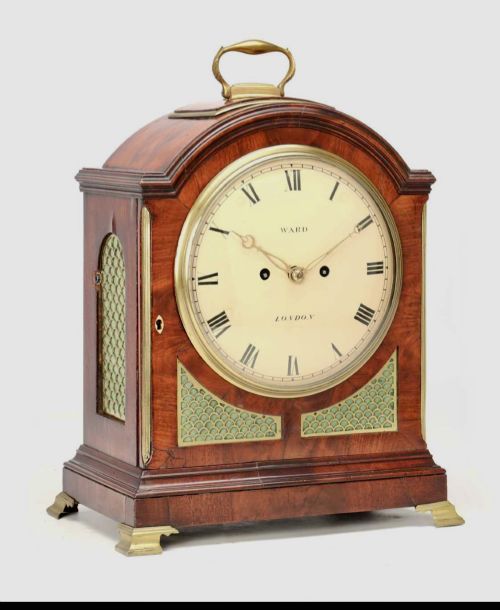
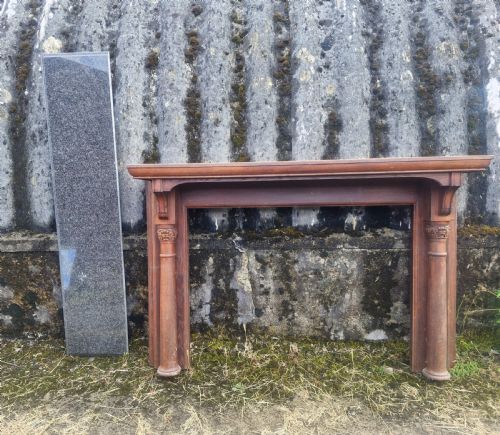
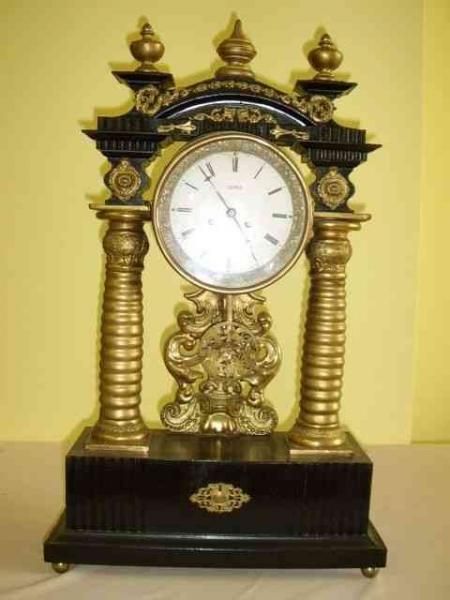
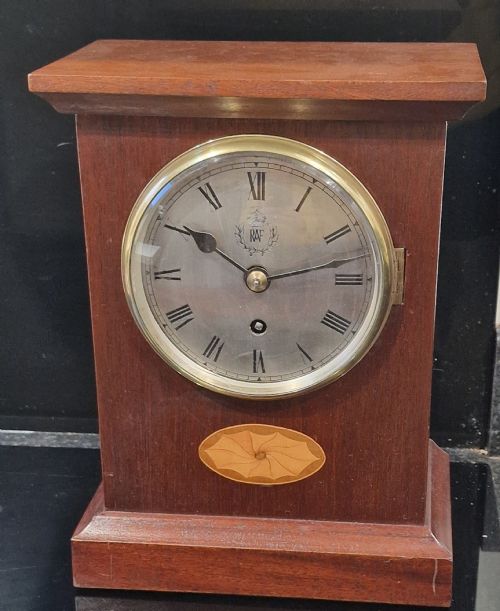
The fire surrounds appear in carved oak, pine, and mahogany, sometimes paired with granite tops or gesso ornamentation. Alongside them, the mantel and bracket clocks constructed from mahogany, walnut, and ebonised wood sit on the shelf, keeping time with fusee movements.
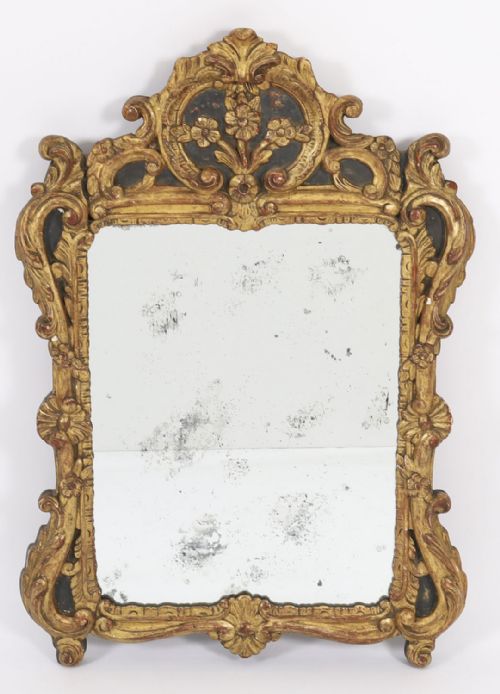
Overmantel mirrors dominate the visual scale, framed in giltwood, rosewood, and painted finishes to catch the light above a fireplace. They reflect the shifting stylistic preferences from Baroque and French Rococo to Arts and Crafts and the interwar period.
How they were made
Cabinetmakers utilised dense timbers such as mahogany, oak, and walnut, often shaping them with hand-carved mouldings and applied brass mounts. Giltwood and gesso surfaces required meticulous layering over pine or other base woods before receiving burnished gold leaf.
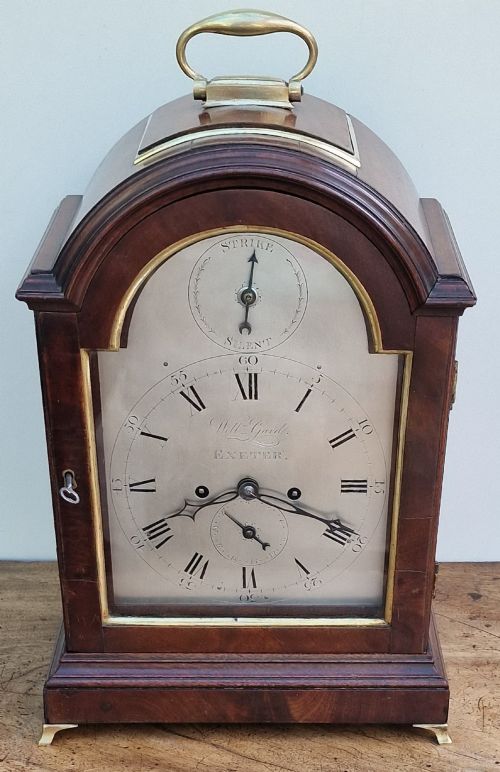
Clockmakers housed complex mechanical movements, including 8-day fusee systems, inside timber cases that featured brass inlay, ebonised detailing, and glazed dial doors. Mirror frames incorporated heavy plate glass, sometimes retaining original mirror glass alongside carved wooden structures.
Period Wooden Mantel Retail Price Guide 2026
Typical asking prices for period wooden mantel among the pieces listed under this phrase on Sellingantiques today, from the lower quarter to the upper quarter. They describe what is for sale here now, not the wider market.
Listings feature wooden mantels and related items spanning the Georgian, Regency, Victorian, Edwardian, and 1940 periods, constructed from mahogany, oak, brass, and giltwood.
What varies in quality
The calibre of a piece rests on the crispness of the timber carving and the integrity of the original materials, such as untouched brass inlays and period mirror glass. Finer examples display harmonious proportions and well-executed joinery rather than heavy-handed later restorations.
Mechanical pieces depend on the sophistication of the movement inside the wooden case, where complex verge or fusee mechanisms elevate the standard. Surface finishes also dictate distinction, separating hastily painted frames from finely preserved giltwood and polished mahogany.
William Gard Exeter·Seikosha Seiko
The Period Wooden Mantel Glossary
- Fusee
- A conical pulley used in clockmaking to maintain even power from the mainspring as it unwinds. This mechanism is frequently found in quality 19th-century bracket clocks.
- Gesso
- A plaster-like mixture applied to wood surfaces as a base for gilding or painting. It is sculpted to create relief ornamentation on mirrors and surrounds.
- Overmantel
- A mirror or decorative fixture designed specifically to be hung or placed directly above a mantelpiece. These pieces often echo the architectural style of the fireplace below.
- Verge escapement
- An early type of clock escapement mechanism that controls the release of power in the gear train. It is typical of older bracket clocks.
- Ebonised wood
- Timber treated with a finish to imitate expensive ebony. It provides dark contrast against brass mounts and gilt details.
Period Wooden Mantel: Frequently Asked Questions
What is a bracket clock?
A bracket clock is a portable timepiece traditionally designed to sit on a bracket or shelf. These clocks feature wooden cases made from materials like mahogany and walnut, housing mechanical movements.
Many examples date from the Georgian and Regency periods, often incorporating brass mounts, carrying handles, and glass panels to display the dial.
How do I identify a Regency mirror?
Regency mirrors typically feature classical architectural motifs, convex or rectangular glass plates, and rosewood or mahogany frames. Brass inlay and giltwood details are also common decorative elements from this period.
They are often designed as overmantel pieces to sit above a fireplace, reflecting light and adding symmetry to a room.
What wood was used for fire surrounds?
Fire surrounds from these periods were predominantly constructed from sturdy timbers such as oak, mahogany, and pine. Oak and mahogany offered rich grain and durability for carved details.
Pine served as a base wood for surrounds that received gesso, paint, or giltwood finishes during the Regency and later eras.
Where should an overmantel mirror go?
An overmantel mirror is intended to be mounted directly above a mantelpiece or fireplace surround. Its proportions are usually wide and low to match the span of the hearth.
Placing it in this position draws the eye upward and creates a focal point in reception rooms and parlours.