


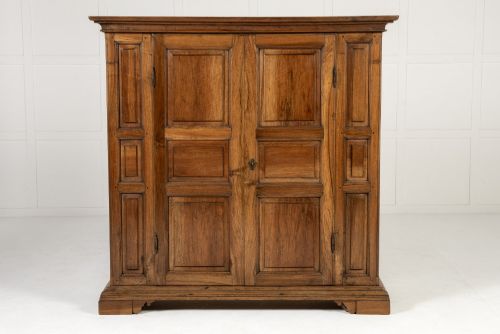


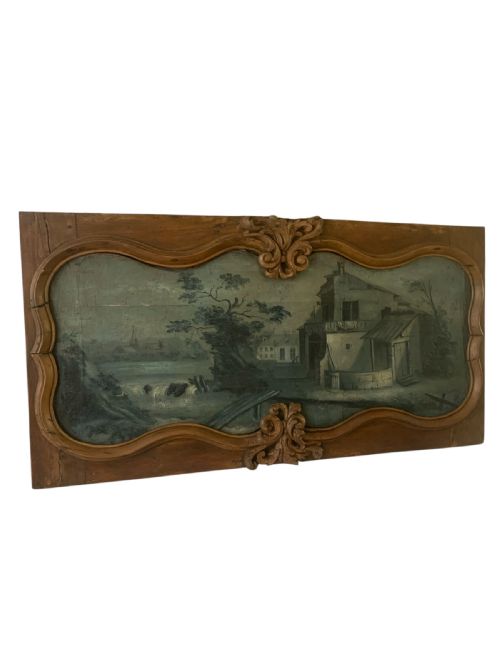


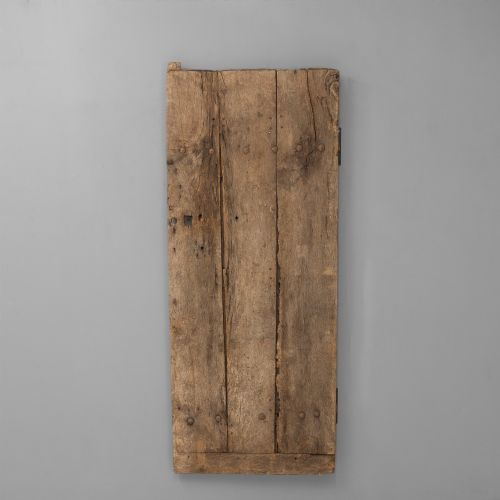


Period Wooden Doors
Period wooden doors bring tangible character into a room, offering substantial timber construction and historic craftsmanship.
Period Wooden Doors
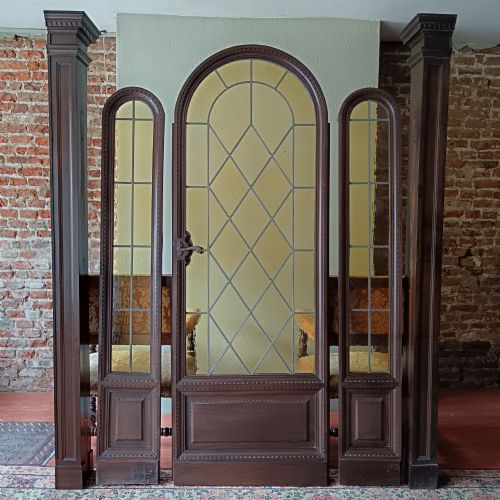
When you search for period wooden doors, you find architectural salvage and fitted elements rooted in historical eras. The selection spans centuries of joinery, from 18th century panels to Victorian examples.
Oak and mahogany form the backbone of these pieces, alongside regional variants like Welsh timber or imported hardwoods. You encounter solid constructions designed for domestic and storehouse use.
Many examples arrive with associated iron or brass hardware, such as working box locks, stock locks, and door knobs. These items range from simple utilitarian panels to ornate architectural salvage.
Evaluating Quality
The standard of timber selection sets the baseline for quality, with deeply figured grains and dense hardwoods indicating superior stock. Plain or utilitarian boards occupy a different tier from finely veneered surfaces.
The integrity of the original joinery and the survival of contemporary hardware determine the standing of a piece. Original brass inlays, working locks, and untouched panel construction elevate the piece above heavily altered examples.
Period Wooden Doors Retail Price Guide 2026
Typical asking prices for period wooden doors among the pieces listed under this phrase on Sellingantiques today, from the lower quarter to the upper quarter. They describe what is for sale here now, not the wider market.
The listings span oak and mahogany pieces produced across the Georgian, Regency, and Victorian periods.
The Period Wooden Doors Glossary
- Architectural salvage
- Building elements rescued from older structures for reuse in interior design. These items preserve historical manufacturing methods.
- Stock lock
- A self-contained locking mechanism housed within a wooden case, commonly operated with a key. They appear frequently on period doors and cupboards.
- Flame mahogany veneer
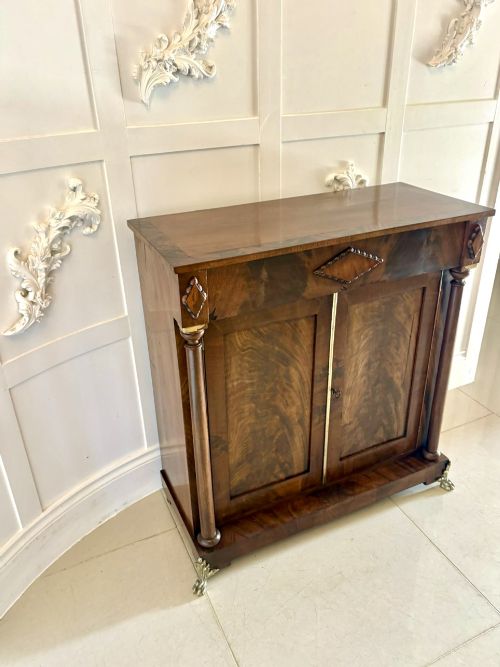
- A thin slice of mahogany timber displaying a distinctive flickering grain pattern. Cabinet makers applied this over a secondary wood base.
- Panel
- A central section of timber fitted within a surrounding frame. This construction method allows the wood to expand and contract with humidity changes.
Period Wooden Doors: Frequently Asked Questions
How do I date an old door?
Examine the timber species, tool marks left by early saws, and the style of any surviving hardware such as locks and hinges.
Construction methods, such as pegged mortise and tenon joints, also provide reliable clues to the century of manufacture.
Can I use salvage doors outside?
Most antique wooden doors were manufactured for interior use and lack modern weatherproofing treatments. Exposure to moisture will quickly degrade historic timber and veneers.
Positioning them inside protects fragile surfaces and preserves the original finish.
Are period doors sold with hinges?
Some listings include original iron or brass hardware like knobs and stock locks, while others consist solely of the timber panel. Check the description to see whether fittings remain attached.
Hardware often dates the piece just as accurately as the woodwork itself.
What woods were used historically?
Oak and mahogany dominate the available inventory, providing robust structures for daily use. Cabinet makers also utilised walnut, rosewood, and exotic veneers for decorative impact.
Selection depended on the period and the intended function of the item.