




Period Wooden Benches
Period wooden benches bring solid architectural presence and historic utility into a room, spanning centuries of regional joinery.
Period Wooden Benches
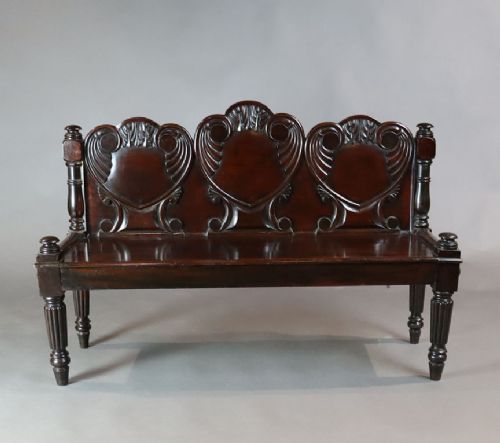
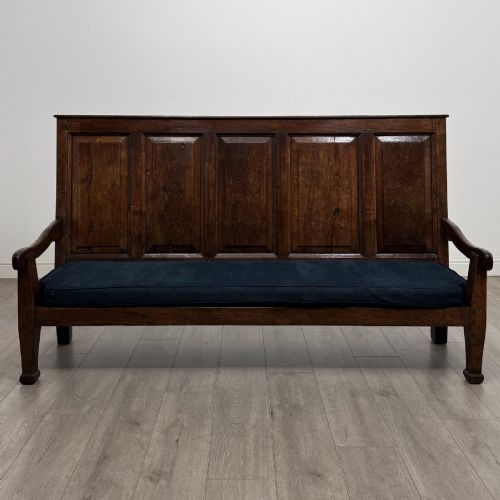
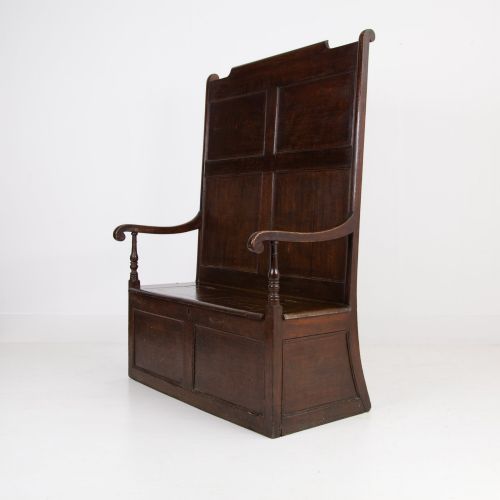
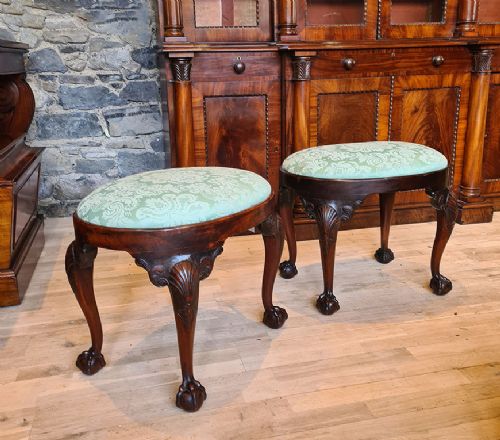
Period wooden benches encompass heavy oak settles from the seventeenth century, Georgian mahogany window seats, and nineteenth-century garden furniture designed for outdoor or hallway use.
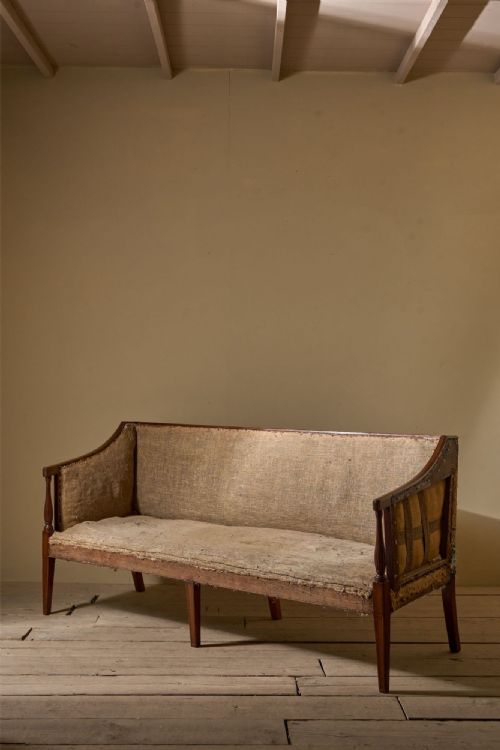
You are most likely to encounter robust oak panelled settles alongside mahogany hall benches and upholstered settees drawing on Regency, Victorian, and earlier design traditions.
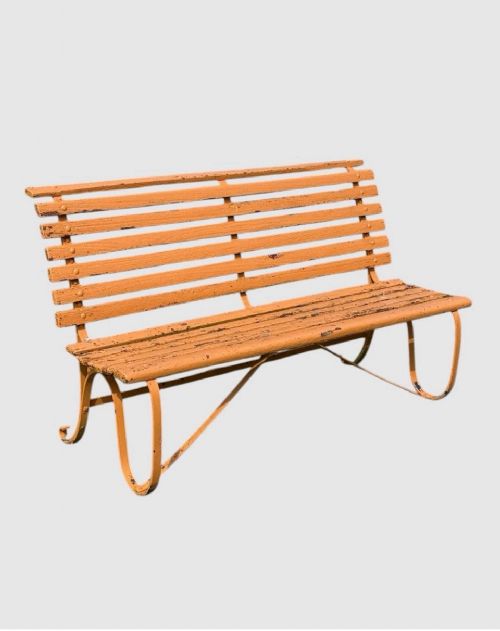
These forms cross domestic and garden settings, moving from seventeenth-century elm bacon settles to cast iron and wood Victorian park benches.
Materials and construction
Carpenters relied principally on oak, walnut, and mahogany, shaping heavy boards with traditional joinery, panel framing, and carved details.
Secondary materials such as iron, brass, hessian, and various upholstery fabrics appear on seats and structural supports, particularly across eighteenth and nineteenth-century examples.
Period Wooden Benches Retail Price Guide 2026
Typical asking prices for period wooden benches among the pieces listed under this phrase on Sellingantiques today, from the lower quarter to the upper quarter. They describe what is for sale here now, not the wider market.
Keep an eye out for seventeenth-century bacon settles, built high to keep the household meat safely away from hungry dogs.
Assessing craftsmanship
The standard of a piece depends on the crispness of its carved ornament, the integrity of its frame construction, and the preservation of its original timber surfaces.
Earlier seventeenth-century examples derive their standing from panel construction and timber density, while later pieces rely on proportion, mahogany figure, and decorative restraint.
The Period Wooden Benches Glossary
- Settle
- A wooden bench with high back, solid arms, and often a storage box beneath the seat. This form protected occupants from draughts in early interiors.
- Joint stool
- A sturdy wooden stool constructed with mortise and tenon joints. These pre-date mass seating and served domestic utility.
- Window seat
- A long, narrow bench scaled to sit within a window recess. They emerged in prosperous eighteenth-century homes.
- Bacon settle
- A tall wooden bench with integrated hooks or storage intended for curing and storing meat. This regional form dates to the seventeenth century.
Period Wooden Benches: Frequently Asked Questions
What is a settle bench?
A settle bench is a high-backed wooden seat designed to block draughts in older rooms. Many include panelled backs and enclosed box bases for storage.
These pieces served communal areas and kitchens, offering robust seating before upholstered sofas became common in domestic interiors.
How do I date an oak bench?
Dating relies on joinery methods, timber grain, and tool marks visible on the underside or back panels. Seventeenth-century examples display pegged joints and hand-cleaved boards.
Later revivals and nineteenth-century pieces often utilise machine-sawn timber and standardised fixings that differ from earlier hand-built construction.
Where were window seats used?
Window seats were placed in the deep embrasures of large country houses and town residences. They provided built-in or movable seating tailored to light.
Mahogany and walnut versions from the Georgian and Regency periods reflect formal room layouts designed around tall windows.
Can these benches go outside?
Specific Victorian examples utilising cast iron frames and slatted wood are constructed for garden use. Indoor period benches lack exterior weather treatments.
Exposing seventeenth or eighteenth-century interior oak and mahogany to damp conditions damages the timber and historical finish.