



Period Window Seating
Period window seating brings together practical low furniture and classic craft, offering a timeless place to sit by the glass.
Period Window Seating
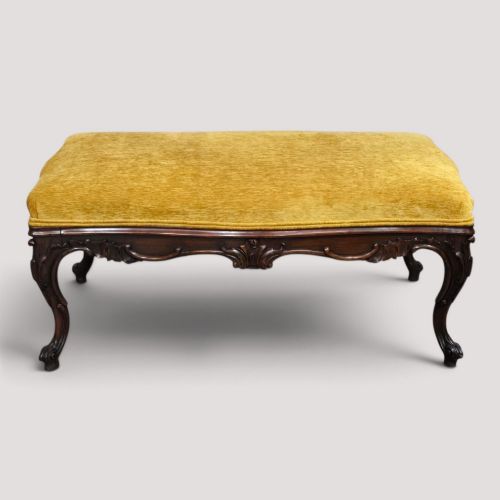
Period window seating encompasses diverse forms such as stools, benches, settees, and coffers adapted for placement beneath glazing. These pieces emerge across the eighteenth and nineteenth centuries, spanning Georgian, Regency, and Victorian eras.
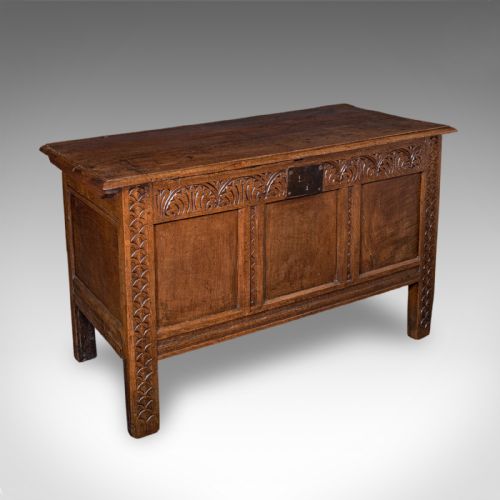
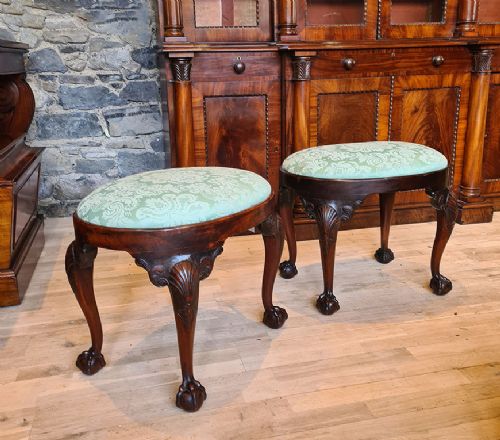
The versions most frequently met on this page include mahogany stools, oak coffers utilised for storage and seating, and upholstered ottomans. Makers varied their designs to suit specific domestic spaces, from grand country houses to modest town properties.
The selection ranges from early carved oak trunks dating to the turn of the eighteenth century up to slender rosewood and ebonized frames of the later periods. Each piece reflects the prevailing style of its time, incorporating architectural lines or decorative carvings.
Materials and construction
Makers relied primarily on sturdy timbers such as mahogany, oak, and rosewood to construct the structural frames of these seats. Oak predominates in earlier coffers and chests, whereas mahogany and rosewood define the finer nineteenth-century benches and stools.
Upholstery forms a vital component for many examples, employing fabric, leather, and tapestry over supportive foundations. Iron elements occasionally appear in structural bracing or internal hardware, complementing the dominant woodwork.
Joinery techniques ranged from traditional panel construction for seventeenth-century coffers to sophisticated cabinetmaking for Regency and George III frames. Carving was executed directly into the solid timber, particularly on oak panels and mahogany rails.
Period Window Seating Retail Price Guide 2026
Typical asking prices for period window seating among the pieces listed under this phrase on Sellingantiques today, from the lower quarter to the upper quarter. They describe what is for sale here now, not the wider market.
Listings feature oak, mahogany, and rosewood forms ranging from seventeenth-century joined coffers to nineteenth-century ebonized aesthetic stools.
Judging the work
Quality in these pieces rests upon the selection of timber and the crispness of any carved decoration. Solid mahogany and deeply figured oak denote higher workshops, whereas secondary woods often indicate standard production.
The integrity of the frame and the retention of original upholstery materials or harmonious recovering dictate the aesthetic success of the piece. Proportion remains crucial, as the best examples balance length and height precisely for domestic use.
I.M. Gillows of Lancaster
The Period Window Seating Glossary
- Coffer
- A large wooden chest traditionally used for storage that frequently doubles as a window seat. These sturdy boxes often feature carved fronts and hinged lids.
- Regency
- A style spanning the early nineteenth century characterised by classical restraint, influence from ancient Greek and Roman design, and rich timbers like rosewood. Pieces from this period often display clean lines and sabre legs.
- Chippendale
- A mid-eighteenth-century design style named after the cabinetmaker Thomas Chippendale, known for elaborate mahogany carving and Chinese or Gothic motifs. Settees and chairs from this era show sophisticated joinery.
- Ebonized
- Wood treated with a dark stain or finish to imitate ebony, a technique popular during the Victorian and Aesthetic Movement periods. This treatment creates a striking contrast with gilt highlights.
- Ottoman
- A low, upholstered seat without a back or arms, often used for resting feet or sitting by a window. These forms provide deep padding over internal wooden frames.
Period Window Seating: Frequently Asked Questions
How do I date an antique coffer?
Dating an antique coffer involves examining the construction methods, joint types, and wood species used in the body. Early examples from the seventeenth century typically feature joined oak panels with hand-carved ornamentation.
Later chests often incorporate mahogany or deal secondary woods, showing shifts in woodworking technology and stylistic preferences over the centuries.
Where were these benches placed?
These benches were positioned primarily in reception rooms, halls, and bedrooms where large windows offered sufficient light. Their low profile ensured they did not block views or natural illumination.
In grander settings, matched pairs of stools were arranged beneath long window banks to create formal symmetry within the interior architecture.
How do I care for upholstered seats?
Caring for antique upholstered seats requires gentle cleaning methods suited to fragile textiles such as tapestry, leather, or period fabric. Regular dusting with a soft brush prevents particulate accumulation in the weave.
Keeping these pieces away from direct sunlight and excessive humidity preserves both the textile integrity and the underlying wooden frame.