



Period Washstand Table
A period washstand table provides a solid surface and practical storage for morning ablutions, combining traditional craftsmanship with lasting utility in any bedroom.
Period Washstand Table
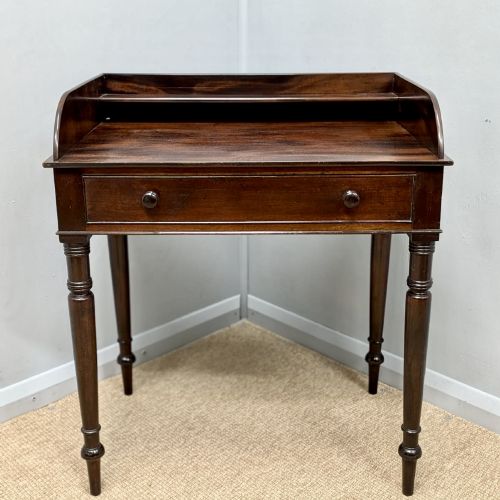
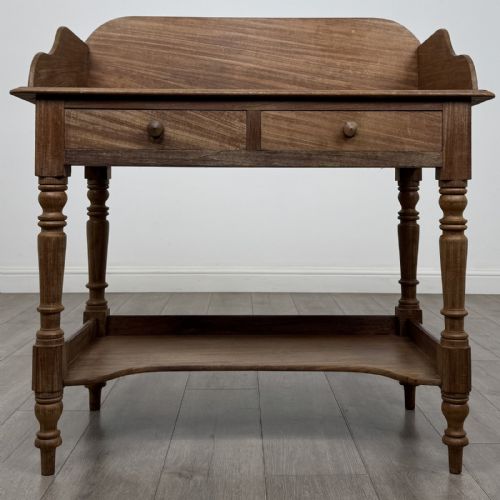
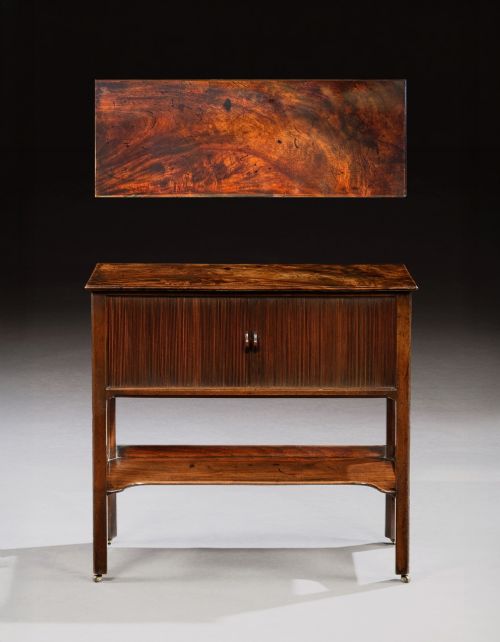
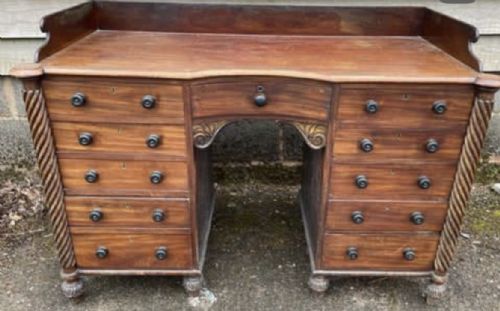
When you search for a period washstand table, you encounter practical furniture designed for personal hygiene and grooming before indoor plumbing became common. The pieces on this page span the Georgian, Regency, and Victorian eras, taking forms such as corner washstands, dressing tables, and cabinets.
Mahogany dominates the material record, frequently accompanied by pine, brass, glass, and marble inserts. You are most likely to meet mahogany examples featuring galleries or upstand backs designed to protect walls from splashes during use.
How they were made
Cabinet makers utilised dense hardwoods like mahogany and satinbirch, often incorporating boxwood inlay for decorative contrast on drawer fronts and surfaces. Structural elements frequently employed secondary timbers such as pine inside drawers and carcases.
Surfaces incorporated protective raised galleries, sometimes featuring marble slabs or glass tops to withstand water exposure during daily use. Brass hardware, including handles and castors, added both functional mobility and aesthetic detail to the heavier timber frames.
Period Washstand Table Retail Price Guide 2026
Typical asking prices for period washstand table among the pieces listed under this phrase on Sellingantiques today, from the lower quarter to the upper quarter. They describe what is for sale here now, not the wider market.
What varies in quality
The distinction between standard examples and superior pieces rests upon timber selection and the refinement of subsidiary details like boxwood inlay. Grain pattern and colour depth in the mahogany dictate visual appeal across different workshops.
The Period Washstand Table Glossary
- Gallery
- A raised wooden edge running along the back and sides of a tabletop to prevent items from falling off and to protect walls from water splashes. These protective upstands take various heights depending on the specific period and function.
- Kneehole
- A recessed space beneath the centre of a dressing table or desk designed to accommodate the user's knees while seated. This arrangement usually places drawers on either side of the central opening.
- Satinbirch
- A pale, lustrous timber derived from birch trees, featuring a distinctive feathered grain pattern popular in late nineteenth-century cabinet making. It offers a lighter aesthetic alternative to darker hardwoods like mahogany.
- Faux bamboo
- Wood that has been carved, turned, and painted to imitate the segmented appearance of natural bamboo canes. This decorative technique enjoyed particular popularity during the Regency era.
- Corner washstand
- A specialised cabinet or table constructed with a triangular footprint designed to fit snugly into room corners. This space-saving form frequently incorporates cut-outs on the top tier to hold washing basins.
Period Washstand Table: Frequently Asked Questions
What is a period washstand table used for?
These tables originally served as dedicated washing and grooming stations in bedrooms before plumbed bathrooms became standard. They held basins, ewers, and personal items necessary for morning routines.
Today, buyers repurpose these versatile pieces as hallway surfaces, bathroom vanities, or bedroom dressing tables. Their historic utility translates well into modern interiors requiring compact surface storage.
How do I date a washstand table?
Dating relies on observing structural characteristics, timber choices, and decorative styles associated with specific design periods. Georgian and George III examples often display clean mahogany lines and subtle inlay work, whereas Victorian pieces introduce lighter woods like satinbirch.
Hardware styles and the presence of specific gallery configurations also offer chronological clues. Comparing the construction methods used on interior drawer linings helps confirm the era of manufacture.
Where were corner washstands placed?
Corner washstands were specifically engineered to occupy unused wall junctions in bedrooms and dressing rooms. Their triangular shape maximised floor space in smaller domestic chambers.
This clever spatial design allowed homeowners to furnish rooms efficiently without obstructing main pathways. They remained stable and secure when tucked firmly into ninety-degree corners.
Are marble tops original to these tables?
Marble inserts were frequently integrated into washstands to provide a waterproof surface impervious to splashing water. Many surviving pieces retain their heavy stone slabs within the top framework.
Checking the fit and edge finish helps determine whether the marble belongs to the original construction. These stone surfaces were essential for practical daily use.