



Period Wardrobe Storage
These period wardrobe storage pieces offer substantial historic timber and traditional craftsmanship, bringing genuine character and functional storage to any room.
Period Wardrobe Storage
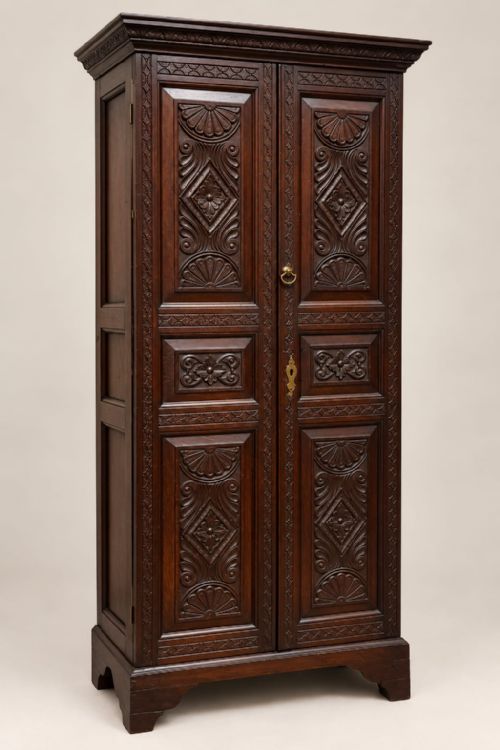
When buyers search for period wardrobe storage, they encounter substantial wooden furniture designed for hanging garments, folding linen, and keeping household provisions. The selections on this page span several centuries, with particular emphasis on Georgian pieces and Regency examples.
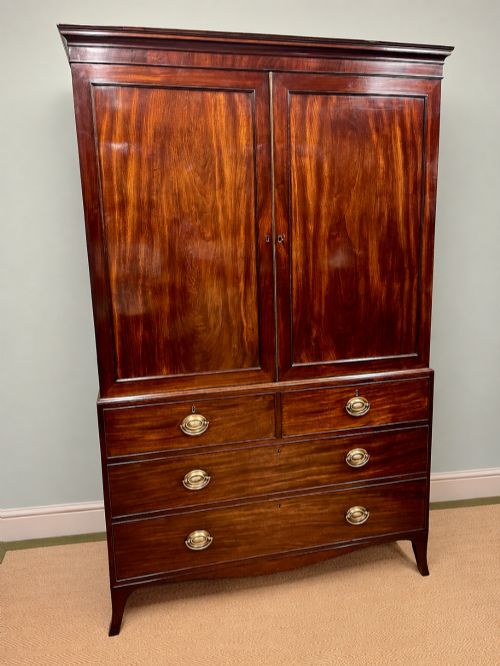
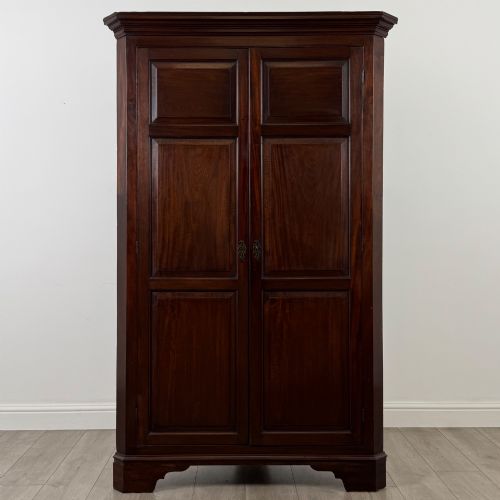
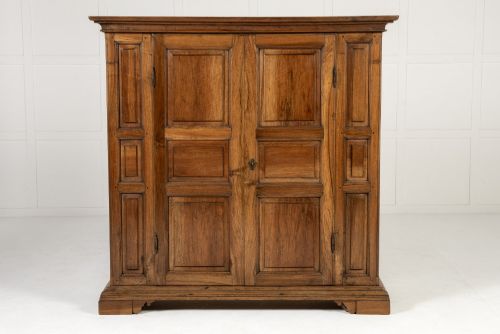
The forms vary considerably across the listings, ranging from large linen presses and double wardrobes to housekeeper's cupboards and panelled corner cabinets. Mahogany and oak dominate the available stock, alongside walnut and pine.
Many of these large pieces utilise sectional construction, including flat pack designs that assist with transport. Buyers frequently find substantial linen presses featuring sliding trays in the upper section and drawer storage below.
Materials and Construction
Cabinetmakers constructed these pieces primarily using solid timbers like oak and mahogany, often applying flame mahogany veneer to prominent surfaces for striking visual figures. Secondary woods such as pine appear in internal partitions and drawer linings.
Joinery techniques relied heavily on traditional panelled construction and dovetailed drawer boxes, ensuring structural stability across large cupboards and presses. Decorative elements include carved details and swan-neck pediments executed in hardwoods.
Hardware consists principally of brass handles, escutcheons, and hinges that secure heavy panelled doors. Iron components occasionally support internal hanging space and locking mechanisms.
Period Wardrobe Storage Retail Price Guide 2026
Typical asking prices for period wardrobe storage among the pieces listed under this phrase on Sellingantiques today, from the lower quarter to the upper quarter. They describe what is for sale here now, not the wider market.
The listings on this page span the Georgian, Regency, and early twentieth-century periods, showcasing extensive use of mahogany, oak, and walnut.
Assessing Quality
Quality in these historic storage pieces rests on the choice of timber and the sophistication of the cabinetmaker's execution. Figures of flame mahogany veneer and the crispness of carved mouldings separate standard utilitarian cupboards from high-status furniture.
Proportion and scale dictate the visual success of a wardrobe or linen press, with well-balanced cornices and harmonious drawer arrangements commanding greater attention. The integrity of internal sliding trays and original brass fittings further distinguishes finer examples.
The Period Wardrobe Storage Glossary
- Linen press
- A large cabinet featuring upper sliding trays or shelves originally intended for storing household linens, paired with lower drawers. This form evolved into general wardrobe storage over time.
- Flame mahogany veneer
- A thin slice of mahogany timber cut from the fork of the tree to create a distinctive, fiery grain pattern. Cabinetmakers applied this to drawer fronts and door panels for decorative impact.
- Swan-neck pediment
- A decorative architectural broken pediment featuring opposed cyma curves rising to a central scroll or finial. Makers utilised this top element on tall eighteenth-century presses and cupboards.
- Housekeeper's cupboard
- A large functional storage piece traditionally used in large country houses for storing provisions and household linen. These items often combine upper cupboards with lower banks of drawers.
Period Wardrobe Storage: Frequently Asked Questions
What is a linen press?
A linen press is a tall wooden cabinet designed with internal sliding trays in the upper section for folded textiles. Below these trays sit a series of drawers for additional garments and storage.
Over the centuries, many of these pieces had their internal trays removed to accommodate modern clothes rails. They serve today as versatile bedroom and hallway storage.
How do I date an antique wardrobe?
Dating these pieces relies on examining timber choices, construction methods, and stylistic hardware details. Eighteenth-century pieces often display pegged oak joinery or solid mahogany with hand-cut dovetails.
Later Regency examples introduce brighter mahogany veneers and distinct pediment shapes. Secondary woods inside drawers also help determine the period of manufacture.
Can these large cupboards be dismantled?
Many period wardrobes and linen presses feature sectional construction to allow for easier movement and installation. Some listings specifically note flat pack designs intended for historical transport.
Buyers should check whether a particular cabinet separates into upper and lower sections or disassembles entirely. This ensures the piece can navigate staircases and tight doorways.
Where should I place a heavy wooden press?
These substantial storage pieces require stable flooring and adequate wall clearance to accommodate their deep footprints and heavy doors. Placing them away from direct heat sources protects the old timber and veneers from drying out.
Rooms with high ceilings suit tall Georgian and Regency presses particularly well. Their imposing scale makes them natural focal points in bedrooms and large hallways.