



Period Walnut Glass
Period walnut glass brings together deep timber and bright mirror plates from centuries past, offering rooms a quiet sense of depth and warm grain.
Period Walnut Glass
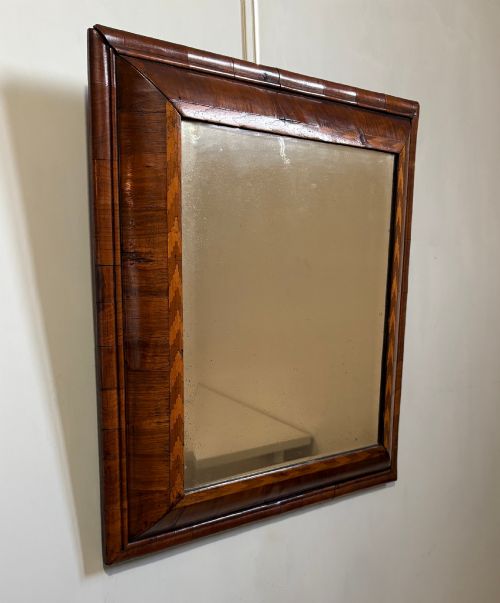
When buyers search for period walnut glass, they seek centuries-old looking glasses and console mirrors framed in rich timber. The pieces appearing here span the seventeenth century through to later revivals, crossing William and Mary, Queen Anne, and Georgian eras.
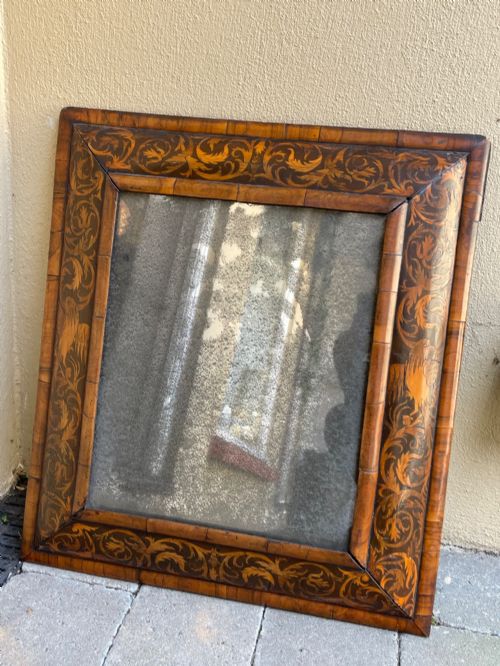
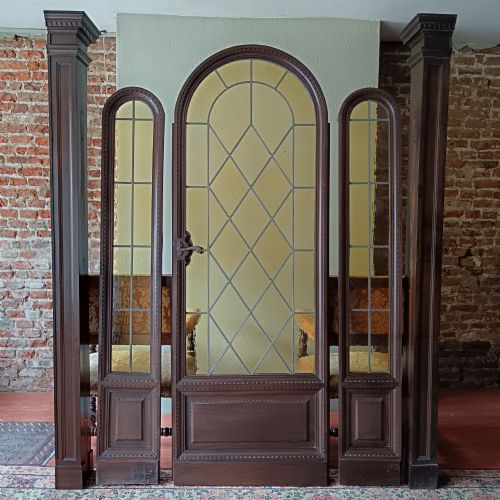
Wall mirrors and pier mirrors dominate the selection, alongside architectural salvage and console tables paired with matching plates. Most examples date from the eighteenth century, presenting cushion frames, marquetry inlay, and parcel gilt highlights.
Proportions range from small overmantel pieces to large scaled frames designed for grand spaces. Each item carries the distinct grain of walnut, often accented with giltwood and boxwood details.
Materials and Construction
Cabinetmakers constructed these frames using solid walnut and intricate veneers, frequently incorporating boxwood stringing and marquetry patterns. Giltwood and parcel gilt enhancements were applied to carve details and enrich the timber surfaces.
Mirror plates of the period often possess lead or iron components within their backing and construction. Artisans shaped architectural salvage and console frames to suit specific interior settings, employing traditional joinery suited to heavy glass.
Period Walnut Glass Retail Price Guide 2026
Typical asking prices for period walnut glass among the pieces listed under this phrase on Sellingantiques today, from the lower quarter to the upper quarter. They describe what is for sale here now, not the wider market.
Early glass plates often possess tiny trapped air bubbles that gently distort reflections like ripples on water.
Factors of Quality
The sophistication of the timber grain and the complexity of the marquetry inlay dictate the standing of a frame. Subtle parcel gilt enrichment and crisp carving elevate certain examples above plainer vernacular pieces.
Originality of the mirror plate and the retention of early surfaces contribute significantly to the character of each piece. Scale and proportion also influence desirability, particularly in larger architectural and pier mirror formats.
The Period Walnut Glass Glossary
- Pier mirror
- A tall looking glass designed specifically to hang on the wall space between windows. These tall formats often match console tables positioned directly beneath them.
- Marquetry
- The art of applying decorative veneer pieces to a structure to form intricate patterns. Craftsmen utilised contrasting timbers like boxwood against walnut backgrounds.
- Parcel gilt
- A surface treatment where selective areas of a wooden frame receive a gold leaf application. This technique highlights carved details whilst leaving the surrounding walnut visible.
- Cushion mirror
- A frame style with a rounded, sloping profile resembling a soft cushion. This distinctive form was particularly popular during the late seventeenth and early eighteenth centuries.
- Overmantel mirror
- A long looking glass created to sit securely above a fireplace mantel. These pieces reflect light across the room at a lower vantage point than standard wall mirrors.
Period Walnut Glass: Frequently Asked Questions
How do I date a walnut mirror?
Dating relies on observing structural characteristics, timber preparation, and framing styles such as cushion profiles or parcel gilt accents. Comparing the joinery and plate construction to documented periods helps establish an approximate age.
Changes in decorative motifs, from William and Mary marquetry to Georgian carving, provide further clues for proper attribution.
Where should I hang a pier mirror?
Pier mirrors suit narrow wall spaces, particularly the expanse of wall situated between two windows. This traditional placement maximises natural light reflection within the room.
Pairing them with console tables creates a balanced focal point reminiscent of historic interior schemes.
Are these mirrors heavy?
Solid walnut frames combined with thick historic glass plates result in considerable weight. Proper wall fixings into masonry or structural studs are essential for secure hanging.
Larger scaled architectural pieces require professional installation to support their substantial mass safely.
What is parcel gilt?
Parcel gilt describes woodwork where only specific carved elements receive a coating of gold leaf. This method creates a contrast between the dark walnut grain and bright gilded highlights.
Artisans used this technique to draw attention to intricate mouldings and floral motifs.