




Period Walnut Dresser
A period walnut dresser brings deep grain and substantial storage to a room, rooted in centuries of cabinetmaking tradition.
Period Walnut Dresser
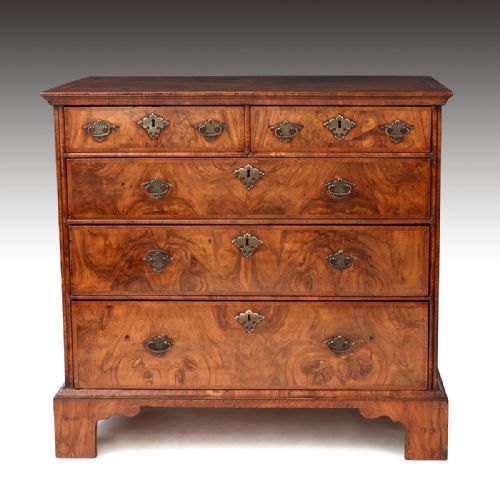
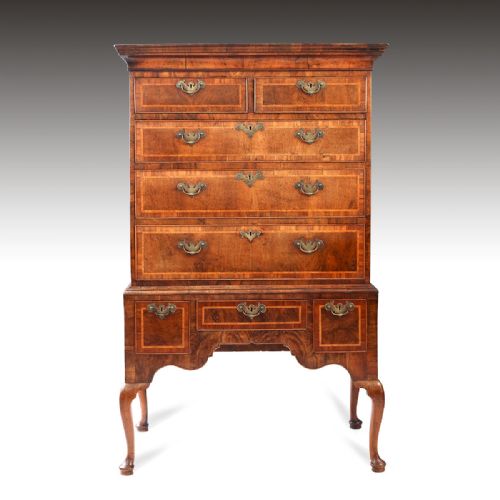
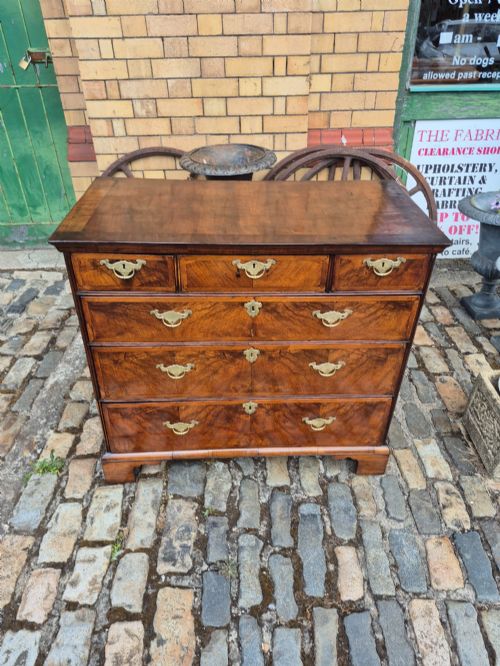
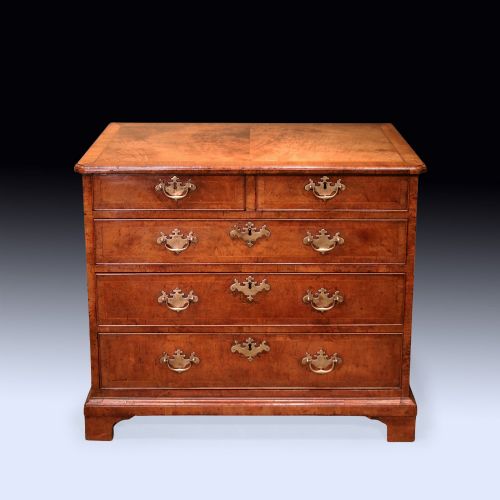
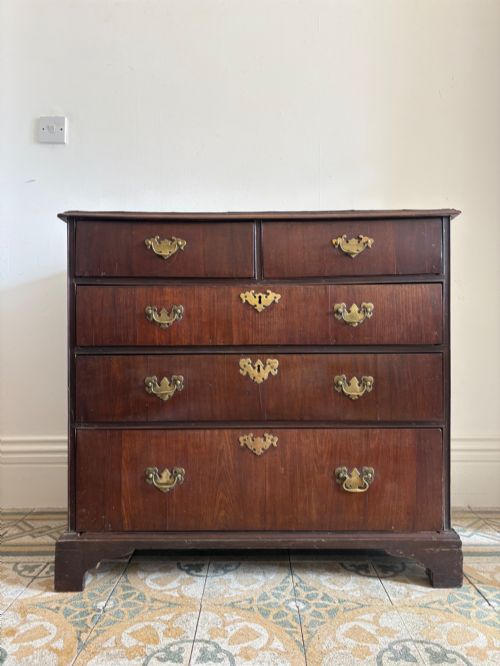
A search for a period walnut dresser reveals practical case furniture primarily described in listings as chests of drawers, chests on stands, and commodes. These pieces span the seventeenth, eighteenth, and nineteenth centuries, offering deep historical presence for domestic storage.
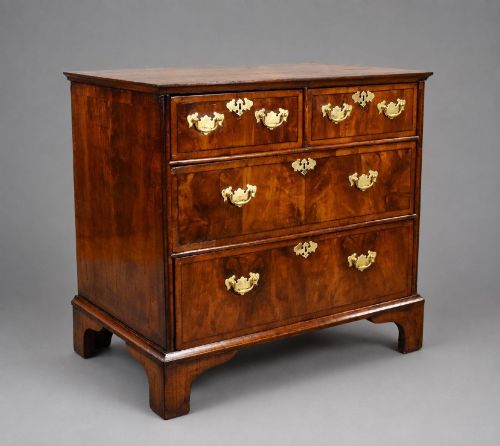
The most frequent examples found here date from the seventeenth and eighteenth centuries, including William and Mary, Queen Anne, and George II styles. Cabinetmakers constructed these storage forms using substantial primary woods combined with decorative surface veneers.
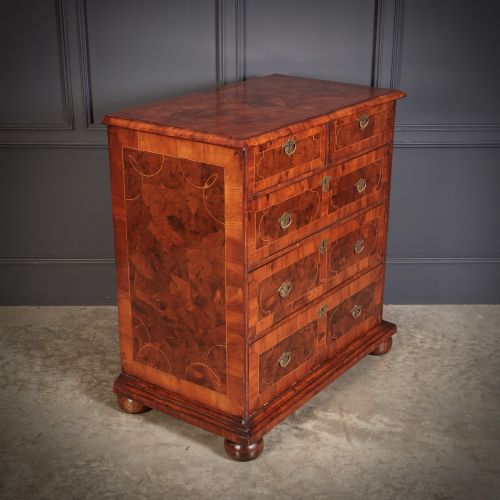
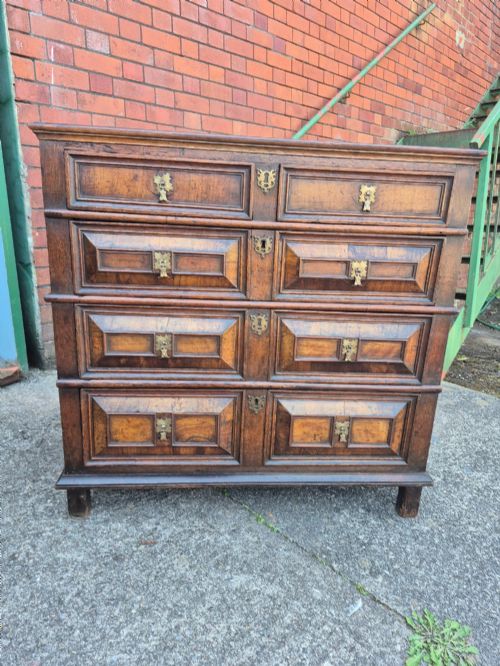
Pieces range from simple geometric panelled fronts to elaborate inlaid marquetry and oyster veneering. Buyers encounter regional English variations alongside continental European examples such as French provincial and German baroque commodes.
Materials and construction methods
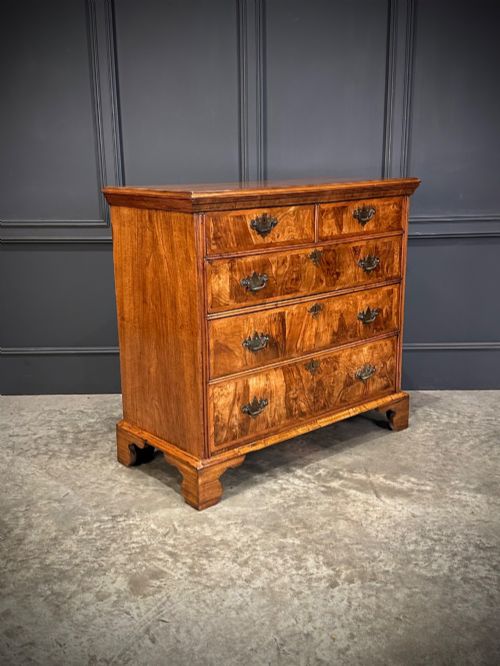
Craftsmen utilised walnut and burr walnut veneers laid over secondary structural woods like oak and fruitwood. Surfaces often feature intricate feather-banded borders, geometric patterns, and contrasting olivewood oyster veneers.
Joinery techniques from the seventeenth and eighteenth centuries involved sturdy carcase construction, dovetail joints for drawer boxes, and applied mouldings. Original hardware typically includes cast brass handles and escutcheons secured to the drawer fronts.
Period Walnut Dresser Retail Price Guide 2026
Typical asking prices for period walnut dresser among the pieces listed under this phrase on Sellingantiques today, from the lower quarter to the upper quarter. They describe what is for sale here now, not the wider market.
Listings incorporate regional variations from England, France, and Germany, spanning oak, fruitwood, and walnut materials across multiple centuries.
Distinctions in quality
Quality rests in the intricacy of the timber selection, such as matching burr walnut figures or symmetrical oyster cutting across the drawer faces. Superior execution shows in the precision of inlaid marquetry and the crispness of applied mouldings.
The integrity of the structural carcase and the retention of original brass hardware influence the standing of a piece. Finer examples maintain their original timber patination and balanced proportions without heavy modern restoration.
The Period Walnut Dresser Glossary
- Oyster veneering
- Cutting small branches or shoots diagonally to produce circular rings resembling oyster shells. This technique creates patterned surface designs across seventeenth-century drawer fronts.
- Marquetry
- Inlaying different woods, metals, or ivory into a veneered surface to form pictorial or geometric designs. Artisans used this method to decorate the top and drawer fronts of William and Mary pieces.
- Feather-banding
- Small strips of veneer cut at an angle and arranged in a herringbone pattern to frame drawer perimeters. This border detail highlights the edges of walnut drawer fronts.
- Chest on stand
- A two-part storage form comprising an upper chest section elevated on a separate supporting base with legs. These pieces provide raised drawer storage.
- Commode
- A decorative low chest of drawers originating in continental Europe. These forms often feature serpentine outlines and baroque styling.
Period Walnut Dresser: Frequently Asked Questions
What periods do these pieces come from?
The listings span from the seventeenth century through the Georgian era and into later nineteenth-century interpretations. Early pieces include William and Mary and Queen Anne examples.
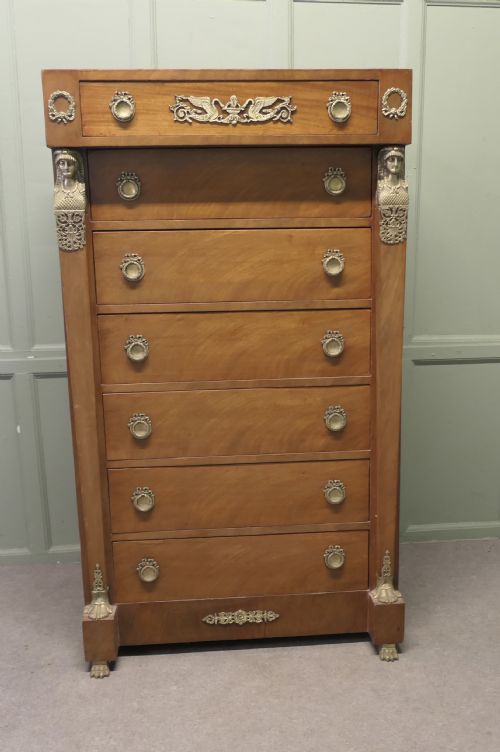
Later variations extend to French Empire and mid-nineteenth-century continental styles, showing shifts in regional cabinetmaking.
How do walnut and oak differ in these items?
Walnut served primarily as a decorative face veneer or solid primary timber for high-status furniture fronts. Oak and fruitwood appeared frequently as secondary structural timbers within the carcase and drawer linings.
Combination pieces utilise the strength of oak framing beneath the polished walnut exterior surfaces.
How should I care for a walnut surface?
Maintain walnut surfaces by keeping them away from direct sunlight and extreme temperature shifts. Gentle dusting with a dry cloth preserves the historical timber finish.
Avoid chemical polishes that can damage old polishes and natural wood patination.