




Period Wall Shelf
A period wall shelf brings architectural character to empty rooms, offering practical display space through centuries of timber craftsmanship.
Period Wall Shelf
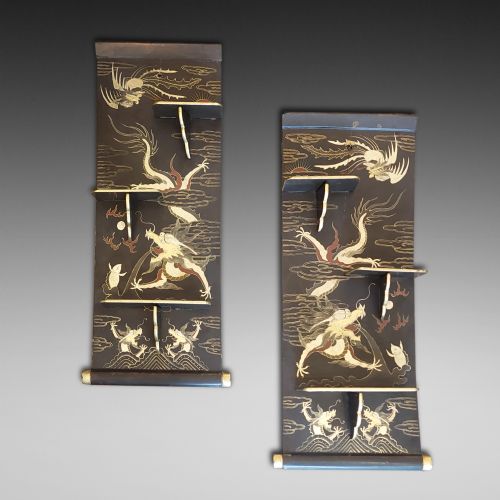
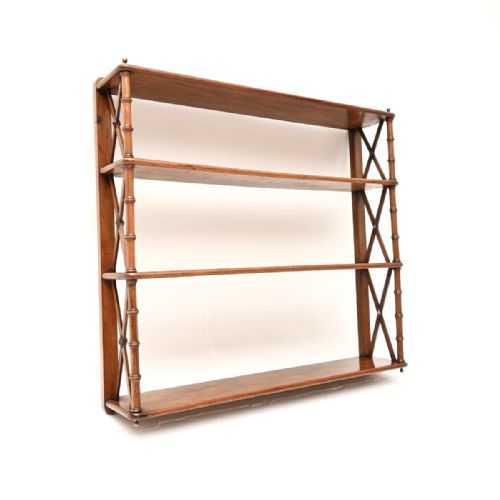
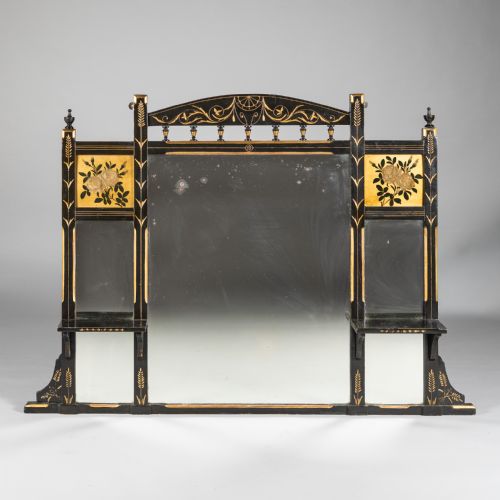
A period wall shelf encompasses hanging bookshelves, display brackets, and wall cabinets designed to maximise vertical space in domestic interiors. When searching for a period wall shelf, buyers encounter diverse forms ranging from eighteenth-century oak hanging racks to nineteenth-century mahogany bookshelves and ebonised overmantel mirrors.
The selections span distinct historical eras, incorporating Regency mahogany designs with brass mounts, Victorian aesthetic movement creations, and Georgian walnut bookcases. These functional furnishings reflect the changing interior tastes across the eighteenth and nineteenth centuries, merging display utility with decorative woodwork.
Most examples found in these listings rely on wall-mounted timber construction, utilising sturdy brackets, ledges, and enclosed compartments to hold books and decorative objects. Each piece demonstrates how earlier households organised and displayed domestic items before fitted cabinetry became standard.
Materials and construction methods
Cabinetmakers constructed these shelves using traditional hardwoods such as mahogany, walnut, and oak, selecting each timber for its grain pattern and structural strength. Workshops frequently applied ebonised finishes or parcel-gilt highlights to create the dark, contrasting surfaces favoured during the Victorian aesthetic period.
Metal elements played both structural and decorative roles, with brass fittings, hanging racks, and mirror glass integrated into console tables and overmantel units. Carved details appeared across revival pieces, demonstrating hand-chiseled ornamentation on walnut and mahogany structures.
Period Wall Shelf Retail Price Guide 2026
Typical asking prices for period wall shelf among the pieces listed under this phrase on Sellingantiques today, from the lower quarter to the upper quarter. They describe what is for sale here now, not the wider market.
The documented pieces originate from periods including the eighteenth century, the Regency era, and the Victorian aesthetic movement.
Assessing craftsmanship and proportion
Quality rests in the precision of the joinery and the selection of timber veneers, where finer examples display carefully matched wood grains across visible surfaces. The integration of original brass hardware and untouched glass panels distinguishes superior pieces from later replacements.
Proportion and decorative restraint dictate the distinction between workshops, as master cabinetmakers balanced structural support with refined carving. Pieces retaining their original surface patination and structural integrity carry greater authority than those altered by later restorations.
The Period Wall Shelf Glossary
- Overmantel mirror
- A large mirror designed to hang above a fireplace mantel, frequently incorporating shelving or console ledges. These items combined reflective glass with display space in nineteenth-century reception rooms.
- Parcel-gilt
- Partially gilded woodwork where thin gold leaf highlights specific carved details or mouldings against a dark painted or polished ground. This technique created contrast on aesthetic movement furnishings.
- Ebonised wood
- Timber treated with chemical stains or dark finishes to imitate expensive ebony wood. Victorian makers utilised this process to achieve a sleek, uniform black surface on decorative wall cabinets.
- Hanging shelves
- Open wooden tiers suspended from walls via brackets or cords for the display of books and ceramics. Georgian and Regency examples often featured graduated tiers supported by shaped uprights.
Period Wall Shelf: Frequently Asked Questions
How do I hang a heavy antique shelf safely?
Heavy timber shelves require direct fixing into structural wall studs or masonry using appropriate weight-bearing fixings rather than standard plasterboard plugs.
Consulting a professional installer ensures the weight of dense hardwoods like oak or mahogany is supported securely without damaging historic plaster.
What rooms suit a hanging wall shelf best?
Hanging shelves function effectively in studies for book storage, in dining rooms for displaying ceramics, or in hallways as compact console surfaces.
Their wall-mounted nature saves floor space while introducing period timber tones into compact or narrow interior layouts.
How do I distinguish Regency shelves from Victorian ones?
Regency pieces typically feature clean lines, mahogany timber, and restrained brass mounts that reflect classical neoclassical design principles.
Victorian variations often display heavier carved ornamentation, ebonised surfaces, or aesthetic movement detailing that sets them apart from earlier minimalist profiles.
Can these shelves hold heavy books?
Open hanging shelves constructed from solid oak or mahogany provide sturdy platforms for moderate book collections, provided the mounting brackets are secure.
Enclosed wall cabinets offer additional security for delicate volumes by protecting bindings from dust and accidental impacts.