



Period Wall Furniture
Period wall furniture brings together oak, mahogany, and walnut pieces designed to hang or mount securely.
Period Wall Furniture
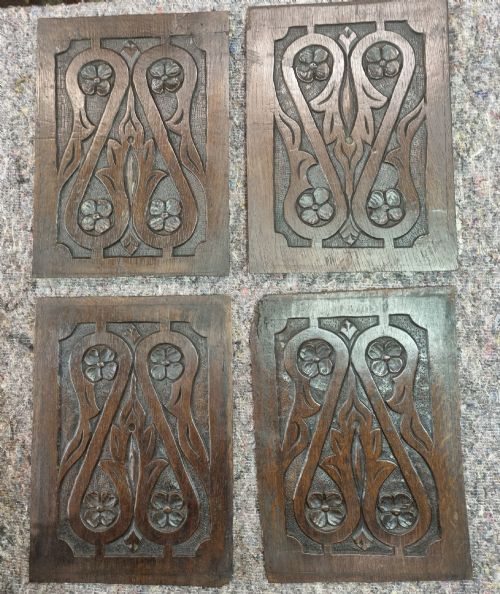
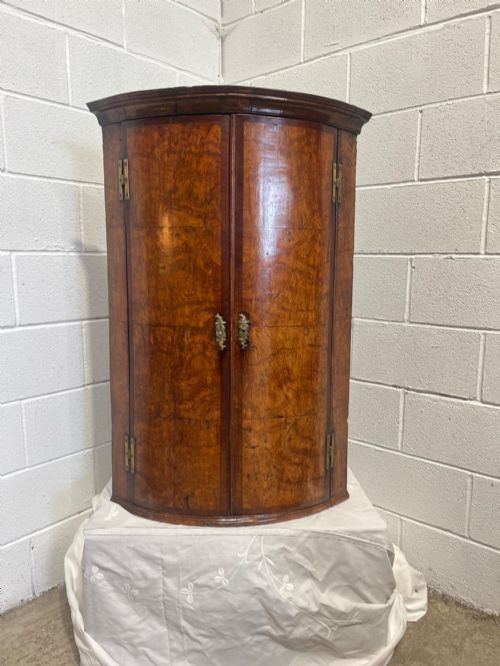
Period wall furniture encompasses corner cupboards, hanging shelves, cabinets, and architectural panels dating from the seventeenth century through to the Victorian era. These pieces utilise vertical wall space effectively, often employing sturdy timbers such as oak and mahogany to construct functional storage and display items.
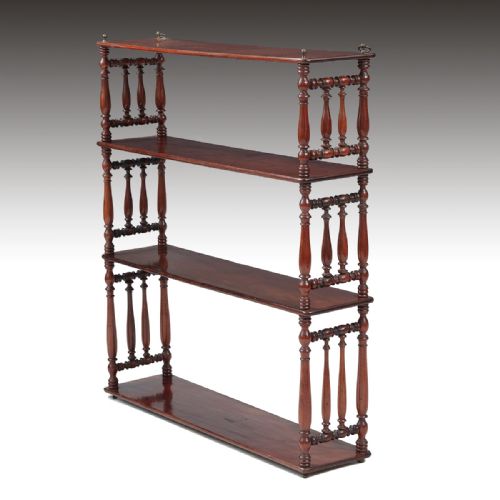
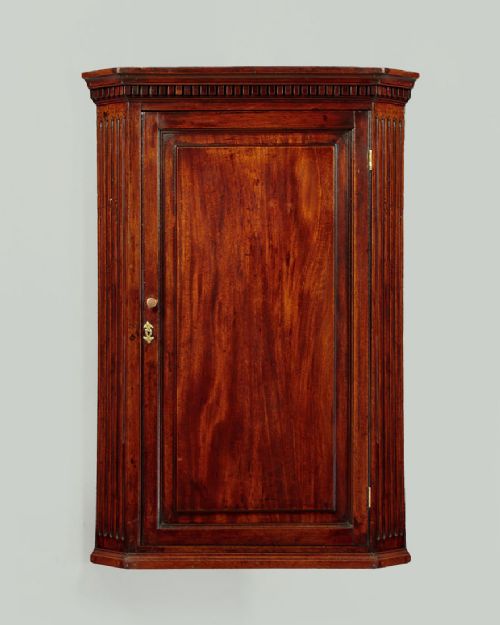
You are most likely to encounter corner cupboards and hanging shelves from the Georgian and Regency periods on this page. These examples demonstrate the practical domestic requirements of earlier centuries, providing enclosed storage for china or open tiers for books and small ornaments.
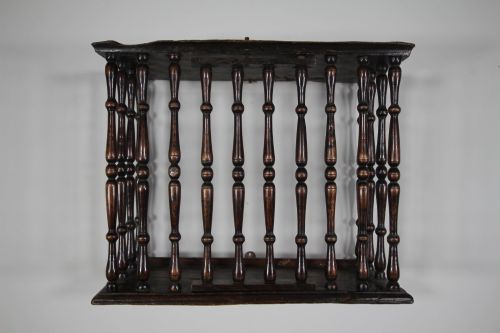
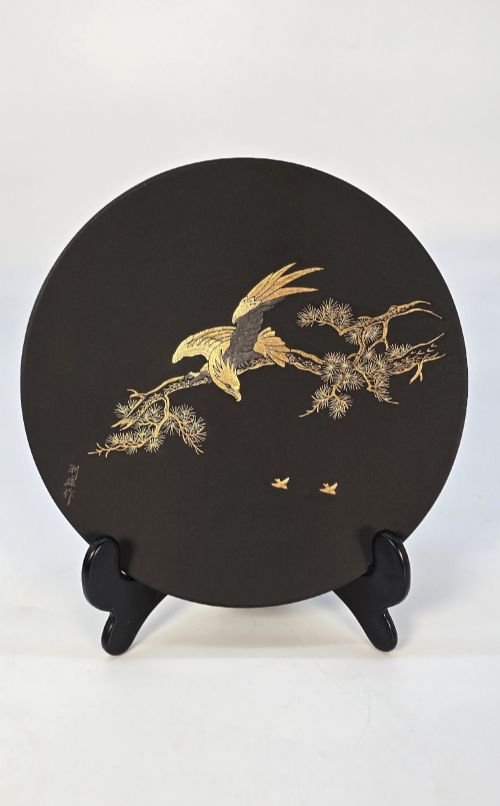
The selection ranges from provincial oak wall racks to refined mahogany glazed cabinets and carved walnut consoles with mirrors. Each item reflects the distinct regional and stylistic preferences of its maker, spanning English, French, and Japanese origins.
Judging Quality and Execution
Quality rests upon the selection of timber and the precision of the joinery, particularly in the dovetailing of drawers and the fitting of cabinet doors. Finer examples display carefully matched wood grains and crisp, hand-carved details rather than mechanical replication.
The integrity of the original hardware, glass, and surface patina significantly influences the character of a piece. Superior proportion and balanced design distinguish workshops that produced enduring domestic furnishings.
Period Wall Furniture Retail Price Guide 2026
Typical asking prices for period wall furniture among the pieces listed under this phrase on Sellingantiques today, from the lower quarter to the upper quarter. They describe what is for sale here now, not the wider market.
Listings feature items spanning the seventeenth, eighteenth, and nineteenth centuries, constructed in oak, mahogany, walnut, and iron.
The Period Wall Furniture Glossary
- Corner cupboard
- A specialised cabinet built with a triangular footprint designed to fit snugly into the corner of a room. These units optimize space in smaller domestic interiors.
- Hanging shelves
- Open wooden tiers suspended from walls for storing books or displaying decorative objects. They range from plain oak racks to refined mahogany structures.
- Fretwork
- Thin wood pierced with ornamental patterns using a fretsaw. This technique appears frequently on eighteenth-century mirror frames and small brackets.
- Parcel-gilt
- A decorative technique where selected portions of a wooden object are covered with thin gold leaf. It highlights carved details against a darker wood background.
- Livery cupboard
- A traditional enclosed storage piece used for food or provisions. Early examples are constructed from heavy solid oak with panelled doors.
Period Wall Furniture: Frequently Asked Questions
Where should I hang a corner cupboard?
Corner cupboards suit empty room junctions where standard rectangular furniture cannot fit. They anchor awkward spaces while providing enclosed storage.
Ensure the supporting wall is structurally sound to bear the weight of solid oak or mahogany construction.
How do I distinguish Georgian from Regency mahogany?
Georgian mahogany pieces often display deeper natural patination and robust joinery, with stylistic influences ranging from Chippendale fretwork to simple bracket feet. Regency items tend to incorporate classical restraint, sometimes using brass inlay or reeded columns.
Examine the secondary woods inside drawers for further clues regarding date and origin.
What is the difference between a cabinet and a cupboard?
Cupboards generally refer to simple enclosed storage spaces fitted with solid wooden doors for general domestic use. Cabinets often incorporate glass panels for display or more formal interior configurations.
Both forms appear frequently in corner formats across eighteenth and nineteenth-century domestic interiors.