



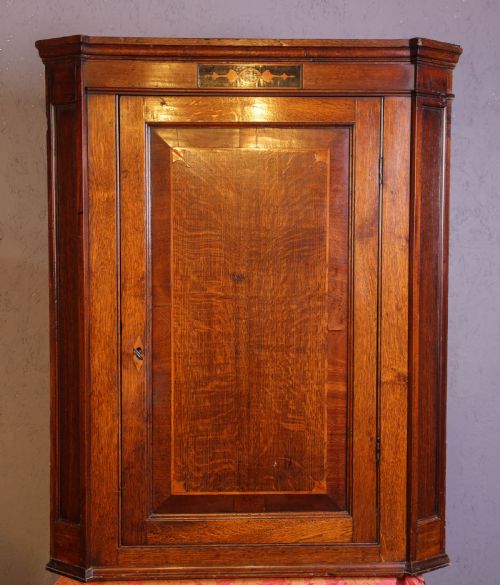


Period Wall Cabinet
A period wall cabinet organises a room with timber built to endure, holding possessions off the floor in compact style.
Period Wall Cabinet
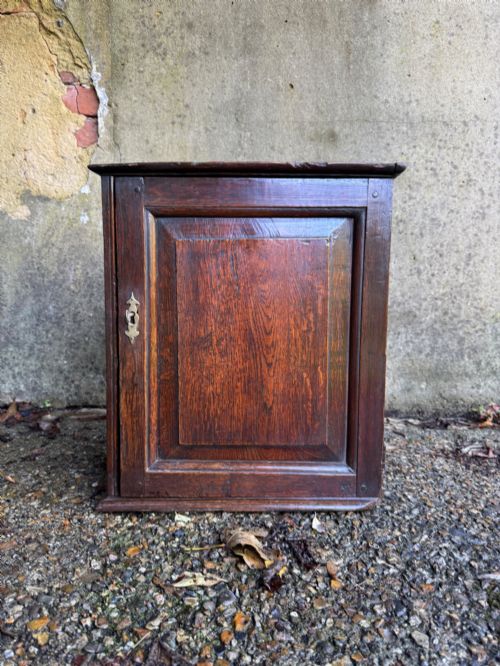
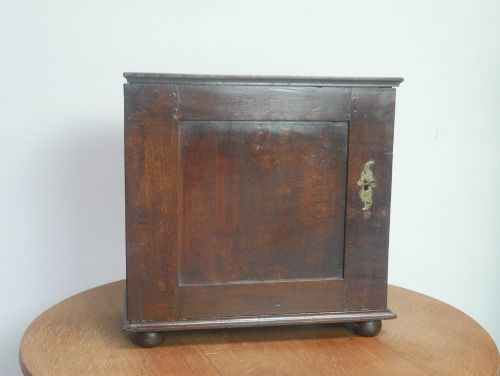
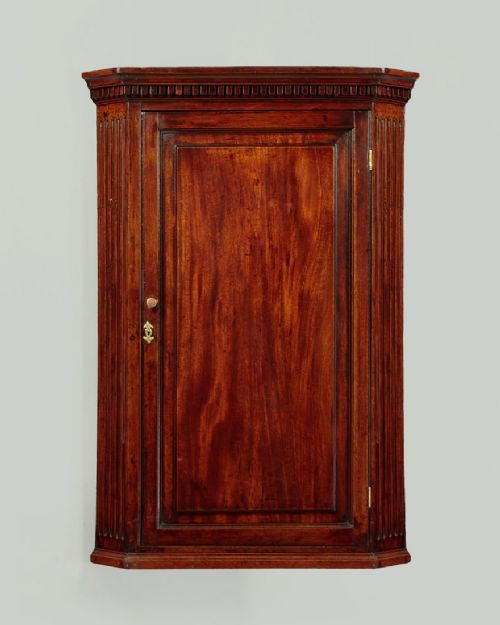
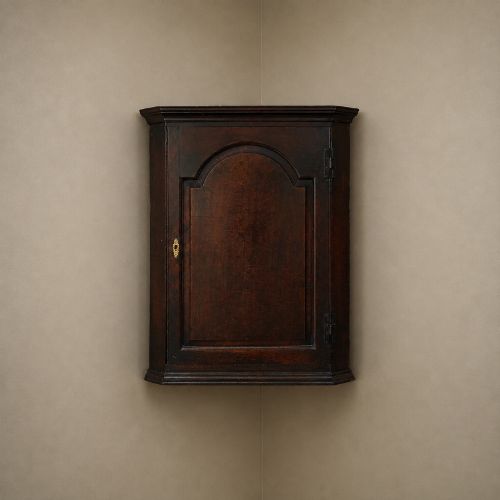
A period wall cabinet is a hanging storage piece designed to fit domestic spaces without taking up floor area, frequently seen here in corner formats.
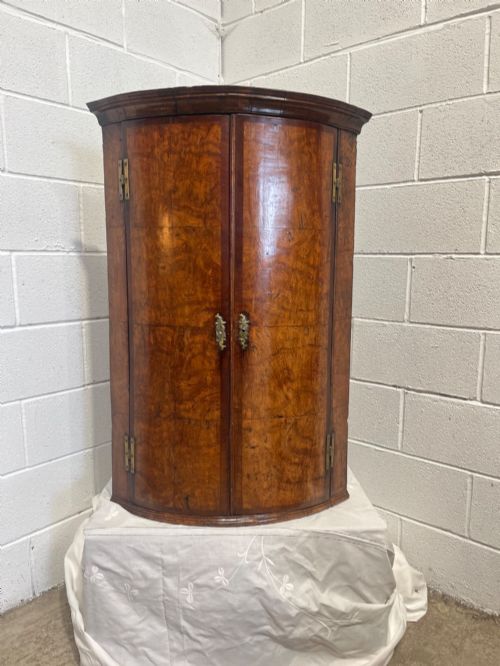
The material record for this phrase points primarily to oak and mahogany, constructed to hold spices, small valuables, or tableware.
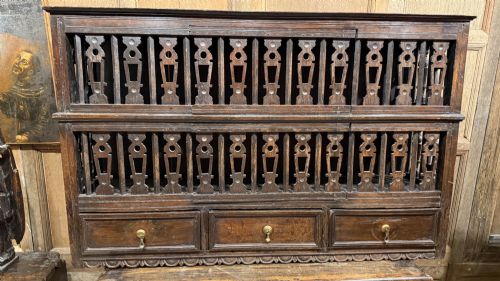
Most examples originate from the Georgian era and the eighteenth century, showing provincial French, Welsh, and English regional cabinetmaking traditions.
Materials and construction methods
Makers utilised solid oak and mahogany for carcases and doors, relying on pegged joints and hand-cut dovetails to hold the weight against a wall.
Brass hardware such as H-hinges and small escutcheons secure panelled doors, while timber grain provides the primary visual interest without heavy carving.
Period Wall Cabinet Retail Price Guide 2026
Typical asking prices for period wall cabinet among the pieces listed under this phrase on Sellingantiques today, from the lower quarter to the upper quarter. They describe what is for sale here now, not the wider market.
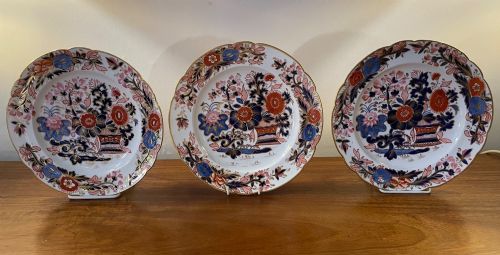
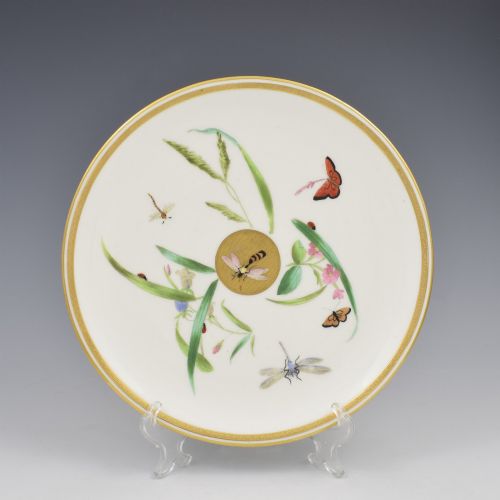
Materials appearing alongside the woodwork include brass hinges, locks, and porcelain plates from later nineteenth-century decorative traditions.
Distinctions in quality
Quality rests in the selection of timber figures, such as burr oak or figured mahogany, and the crispness of the mouldings around the cornice and door panels.
Original brasses, sound backboards, and tight joints separate robust vernacular work from later repairs or altered hanging points.
C.J. Mason·Darte Brothers·Fukagawa
The Period Wall Cabinet Glossary
- Corner cupboard
- A triangular cabinet built specifically to fit into the internal angle of a room, saving valuable floor space. These often feature panelled doors and shelved interiors.
- Spice cupboard
- A small hanging cabinet fitted with multiple tiny internal drawers behind a single outer door. They were designed to protect expensive culinary ingredients.
- Escutcheon
- A protective plate surrounding a keyhole, usually cast from brass. It prevents the timber from wearing around the lock.
- Cornice
- The decorative moulding that runs along the top edge of a cabinet. It crowns the structure and balances the proportions.
Period Wall Cabinet: Frequently Asked Questions
How do I hang a heavy oak wall cabinet safely?
Wall cabinets from the eighteenth century carry substantial weight due to solid timber construction. They require fixings secured directly into masonry or proper wall studs rather than plaster alone.
Most period hanging cupboards feature built-in fixing lugs or strong internal battens placed behind the upper and lower shelves to distribute the load.
What rooms suit a corner cabinet best?
Dining rooms and kitchens provide traditional contexts for corner cupboards, where they safely display ceramics or house everyday provisions off the floor.
In modern interiors, living rooms and hallways utilise these pieces to fill dead architectural angles while adding timber texture to plain walls.
How can I tell Georgian oak from earlier timber?
Georgian oak furniture generally displays cleaner lines, standardising cabinet proportions with restrained mouldings and bracket feet or flat cornices.
Seventeenth-century work often shows heavier pegged construction, simpler joined framing, and a darker, oxidised surface patina acquired over centuries.
Did these cabinets always have locks?
Many hanging spice cupboards and small Georgian wall cabinets included working brass locks to protect contents from household staff and children.
Keys were frequently lost over time, meaning modern replacements are common and do not detract from the utility of the piece.