
Period Wall Art
Period wall art brings centuries of portraiture, prints and lighting into domestic spaces, offering collectors genuine historical depth and visual presence.
Period Wall Art
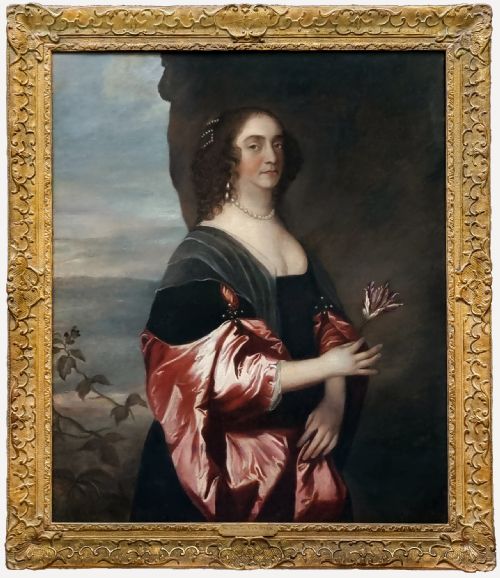
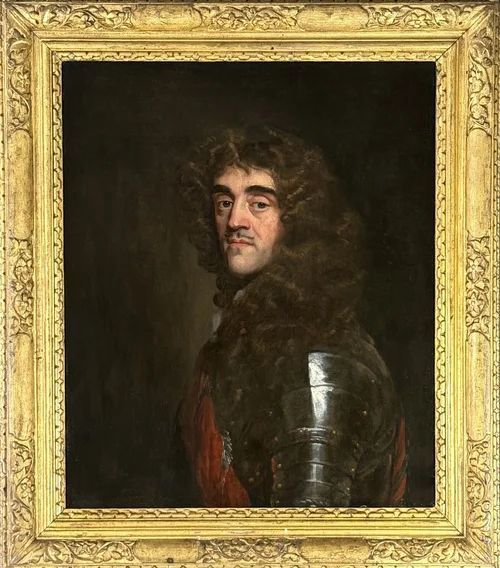
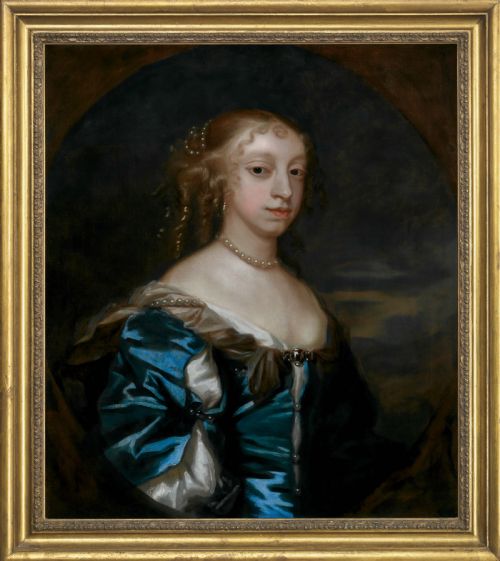
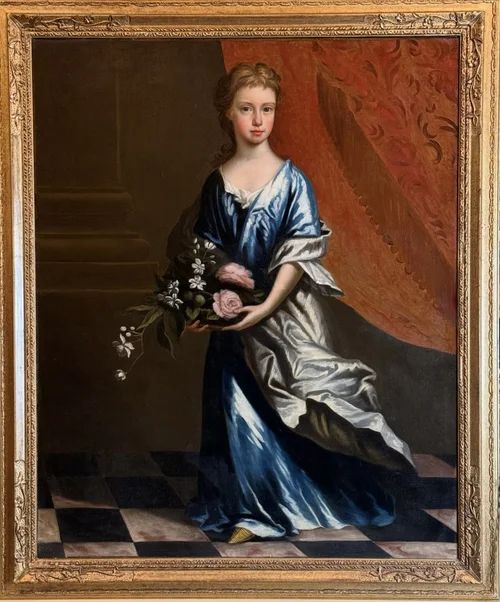
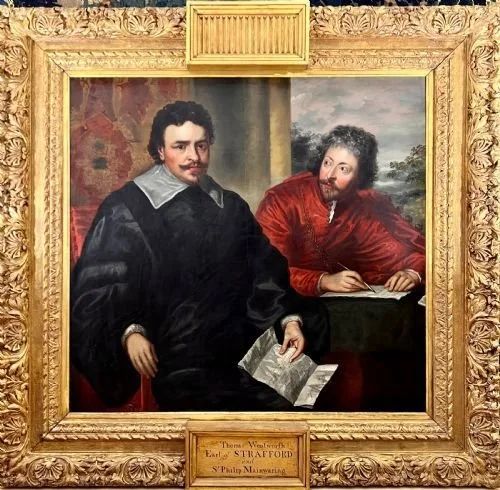
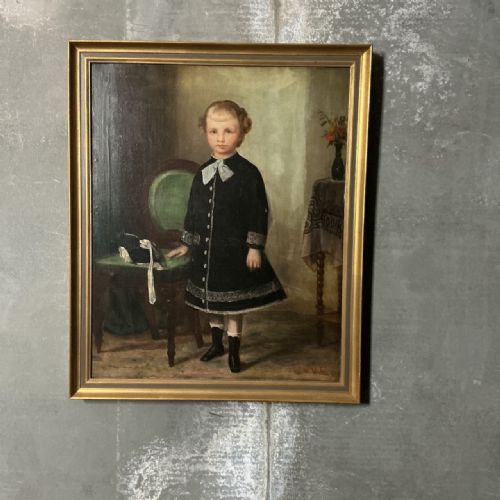
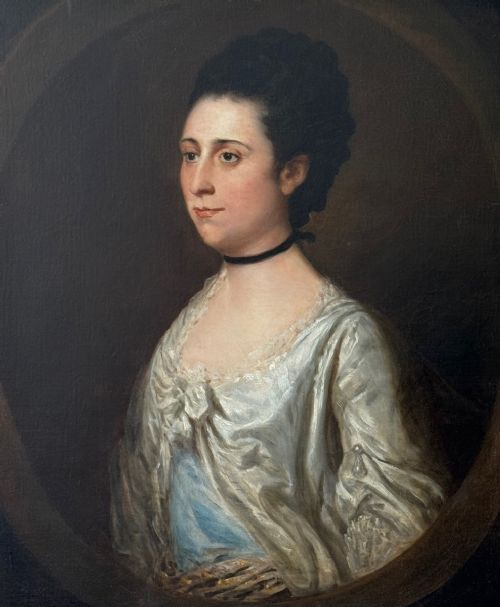
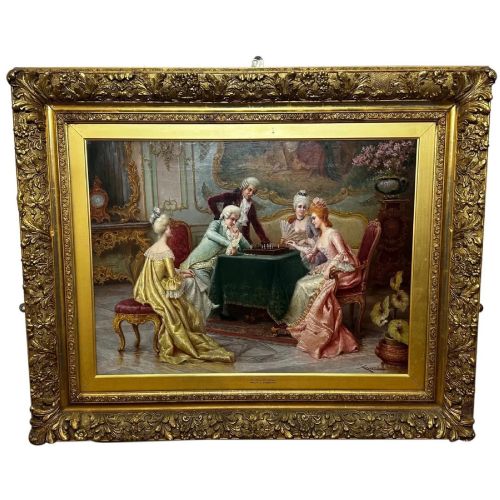
Period wall art encompasses historic paintings, prints, drawings and lighting fixtures designed to ornament domestic interiors across past centuries. When exploring period wall art on this page, buyers frequently encounter oil paintings on canvas depicting aristocratic sitters alongside watercolours, engravings and decorative wall lighting.
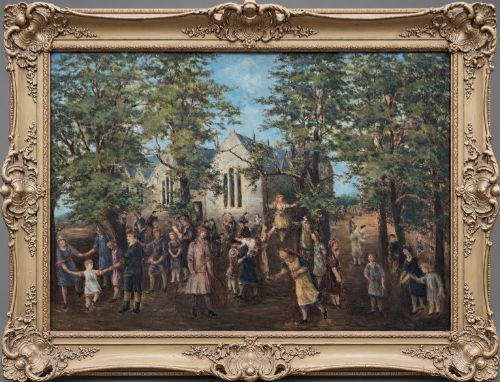
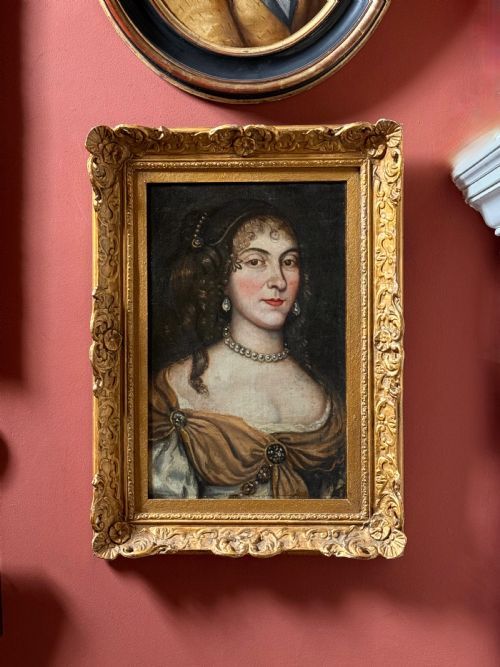
The selections span distinct historical eras ranging from the seventeenth century through the Georgian, Regency, Victorian and Edwardian periods up to Art Deco. Oil portraits from the seventeenth and eighteenth centuries dominate the selection, providing striking windows into historical portraiture and costume.
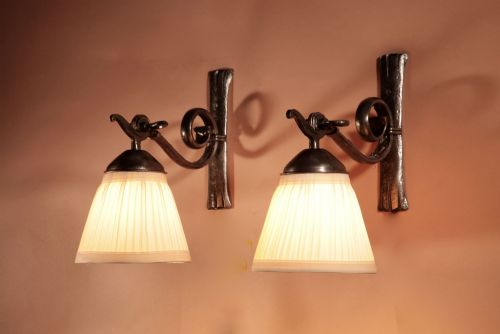
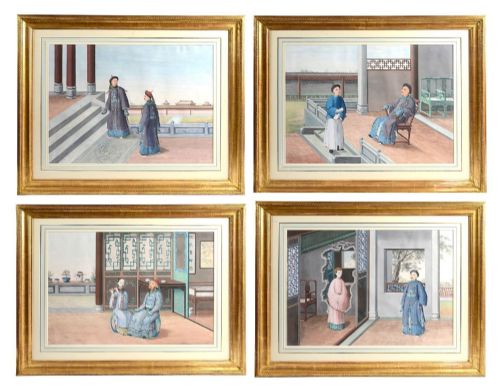
Beyond paintings, the category includes Japanese woodblock prints, Chinese watercolours, silhouettes and wrought iron or chrome wall lights. Each form reflects the aesthetic priorities and interior fashions of its specific decade.
Materials and Techniques
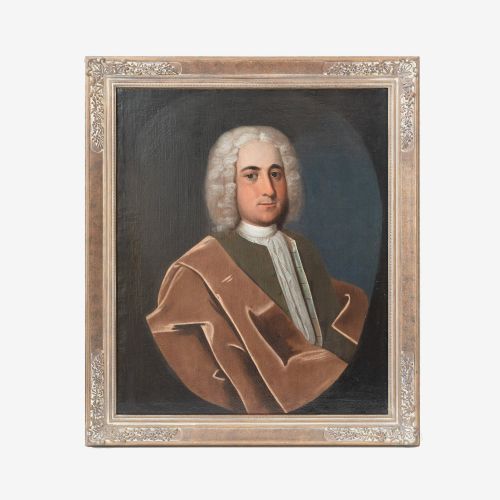
Oil paint applied to woven canvas served as the primary medium for grand portraits throughout the seventeenth and eighteenth centuries, often housed in heavy giltwood frames. Artists utilised rich pigments to render intricate fabrics, lace collars and armour with remarkable physical depth.
Works on paper relied on watercolour, pastel, engraving and woodblock printing techniques. Japanese woodblock prints and Chinese watercolours demonstrate precise ink work and delicate colour application on fragile paper supports.
Metalwork for wall illumination combined hand-forged wrought iron or polished chrome with glass components. These fixtures combined structural rigidity with decorative elegance to hold candles or early electric bulbs.
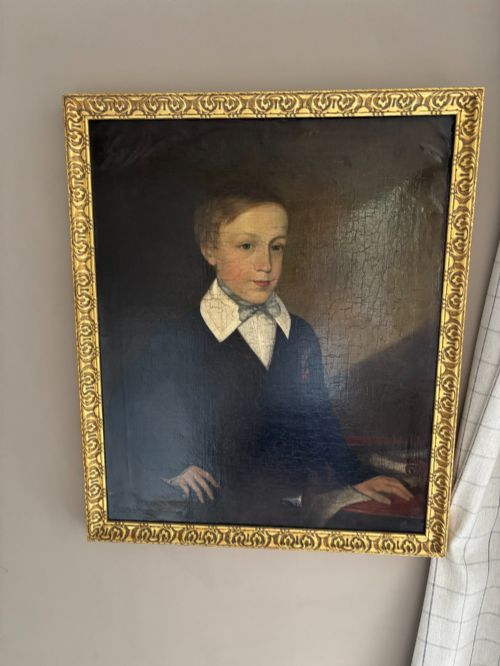
Several noblemen, a duchess, a young scholar and various lucky gods stare out across the centuries from these walls.
Distinctions in Quality
The distinction between standard works and masterworks lies in the execution of the subject's face, hands and textiles. Superior paintings display confident brushwork and anatomical precision, whereas lesser pieces often show rigid proportions and mechanical stiffness.
Condition and originality dictate lasting merit, particularly concerning the survival of original paint surfaces and period frames. Unrestored canvases retaining their initial varnishes and historic stretcher frames carry superior authenticity compared to heavily overpainted examples.
Sir Peter Lely·John Greenhill·Robert Byng·Thomas Beach·Katsukawa Shunshō·Alfred Lyndon Grace
The Period Wall Art Glossary
- Mezzotint
- A printmaking process of the intaglio family where the plate is roughened to produce dark tones and scraped to create highlights. This technique allowed tonal gradation ideal for reproducing oil portraits.
- Giltwood
- Wood that has been coated with gold leaf or a gold-coloured finish. It frequently defines the ornate frames associated with fine oil paintings.
- Woodblock print
- An image carved into a block of wood, inked, and transferred to paper. This method enabled widespread artistic production in historic Japanese printmaking.
- Imari
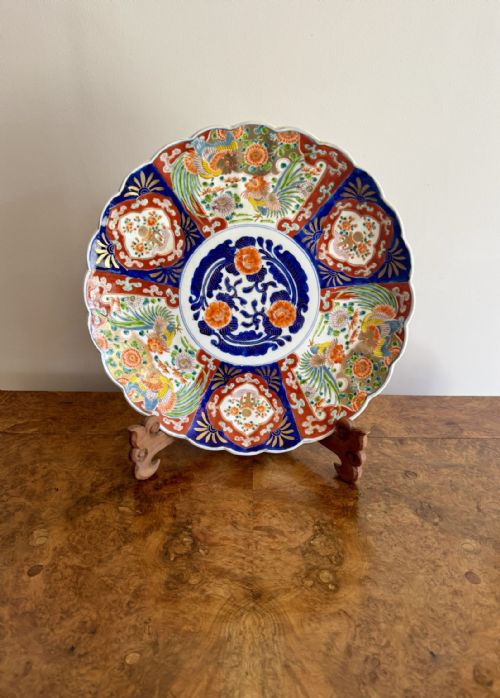
- A style of Japanese porcelain decorated in underglaze blue and overglaze red, gold and green. While primarily ceramic, such decorative objects occasionally cross into wall displays.
- Canvas
- Heavy woven fabric used as a support surface for oil paintings. It replaced wooden panels in many applications due to its stability and portability.
Period Wall Art: Frequently Asked Questions
How do I date an old oil painting?
Dating relies on examining the canvas weave, stretcher frame construction, pigment types and the sitter's costume. Fashion details such as collars, wigs and sleeve cuts provide reliable chronological markers.
Secondary clues include artist signatures, inscriptions on the reverse, and the style of the accompanying period frame. Stylistic comparison with documented works by contemporary schools narrows the decade further.
Where should I hang heavy oil portraits?
Substantial oil paintings require solid masonry walls or stud fixings anchored directly into wall supports to bear the considerable weight of canvas and giltwood frames. Secure picture hooks rated for heavy loads ensure stability.
Placement should avoid direct sunlight, damp environments and active heat sources to protect the canvas and organic binders from cracking or warping over time.
How are antique watercolours best preserved?
Watercolours on paper are extremely sensitive to ultraviolet light and humidity, which causes fading and paper degradation. Framing behind conservation-grade glass with acid-free mounts prevents direct contact between the paper and the glazing.
Displaying these works in rooms with stable indirect lighting and moderate humidity preserves the delicate pigments.
What defines a period frame?
A period frame is contemporaneous with the artwork it encloses, sharing the stylistic characteristics and manufacturing methods of that exact era. Carved wooden ornaments, composition details and original gilding indicate authenticity.
Matching the frame to the painting's historical context enhances both visual integrity and overall historical completeness.