

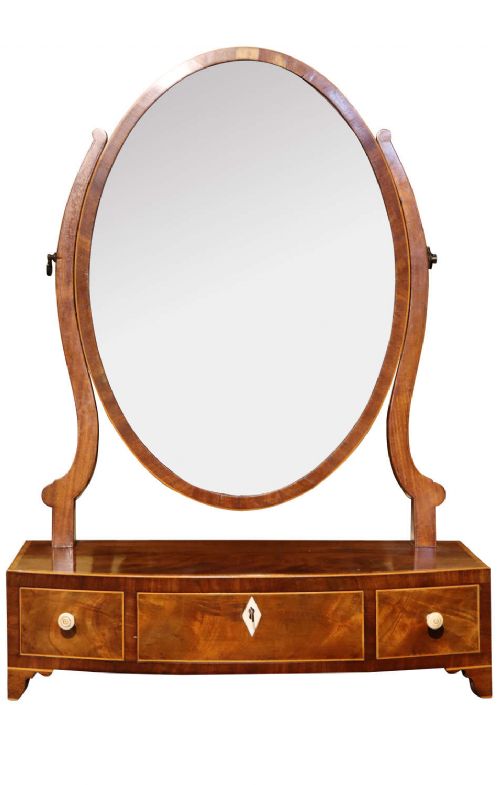


Period Vanity Glass
Period vanity glass offers a glimpse into historic dressing customs, bringing polished surfaces and fine frames to modern rooms.
Period Vanity Glass
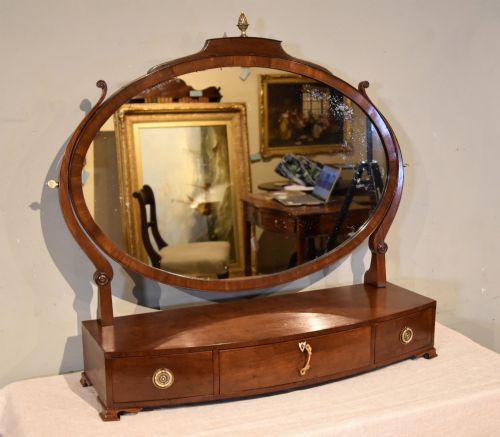
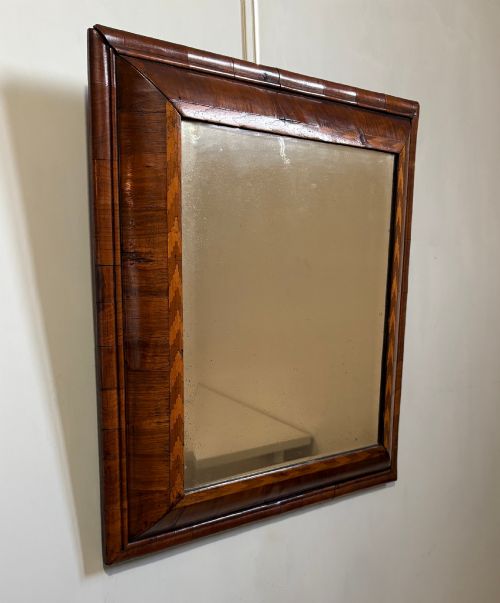
When you search for period vanity glass, you encounter a selection of mirrors and small boxes designed for personal grooming. The pieces on this page span several eras, including Georgian, Regency, and Victorian periods.
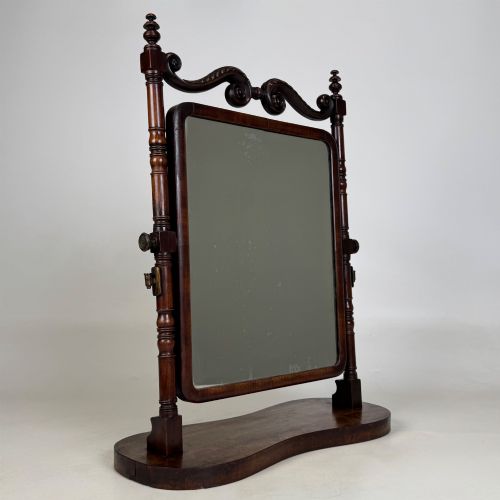
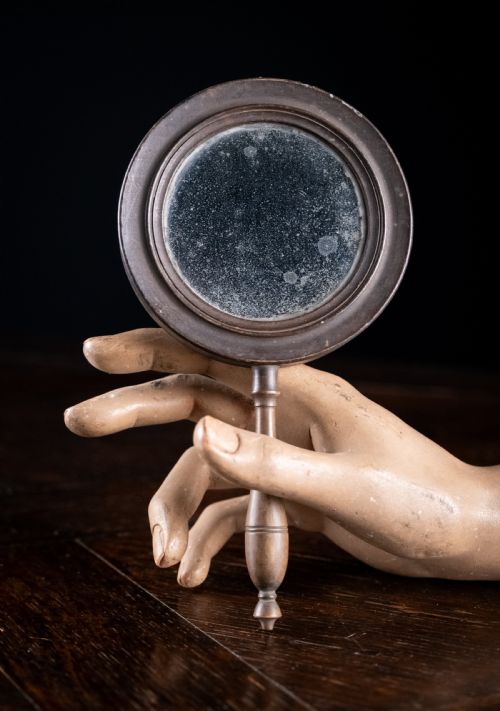
The most common forms you meet here are dressing table mirrors, toilet mirrors, and handheld mirrors. Alongside these, small enamel patch boxes appear, adding variety to the category.
Makers shaped these items in wood, glass, brass, and gesso. Styles range from Regency and George IV to Victorian neoclassical and French empire designs.
Materials and construction
Cabinet makers utilised mahogany, flame mahogany, and ebonised wood for frames and supports, often adding crossbanding for decorative contrast. Gilt gesso and giltwood provided opulent metallic finishes for wall and tabletop mirrors.
Metalwork played a key structural and decorative role, with brass fittings and ormolu mounts securing glass plates and wooden components. Enamel served as the primary medium for small patch boxes produced during the eighteenth century.
Period Vanity Glass Retail Price Guide 2026
Typical asking prices for period vanity glass among the pieces listed under this phrase on Sellingantiques today, from the lower quarter to the upper quarter. They describe what is for sale here now, not the wider market.
Georgian ladies carried tiny painted enamel boxes just to store small silk patches designed to accent their cheeks.
Judging quality in period vanity glass
Quality rests upon the crispness of carved wooden details and the preservation of original mirror plates. Finer examples display balanced proportions, clean joinery, and harmonious integration of brass hardware or ormolu mounts.
The distinction between standard pieces and finer ones involves the choice of timber, such as well-figured flame mahogany, and the refinement of surface gilding. Small decorative elements like carved details reveal the hand of a skilled maker.
The Period Vanity Glass Glossary
- Dressing mirror
- A small mirror mounted on a frame for placement on a table or chest of drawers. These items often include small drawers in the base for trinkets.
- Toilet mirror
- An alternative term for a dressing mirror used during the eighteenth and nineteenth centuries. They sat atop dressing chests where individuals attended to their hair and cosmetics.
- Patch box
- A small lidded box used to hold cosmetic patches made of silk or velvet. Georgian examples often feature enamel lids decorated with painted scenes.
- Crossbanded
- A method of applying a border of veneer across the grain of the primary wood. This technique creates a neat framing effect on dressing mirror bases.
- Gesso
- A plaster-like mixture applied to wood surfaces as a base for gilding. It allowed makers to carve intricate neoclassical and rococo relief designs before applying gold leaf.
Period Vanity Glass: Frequently Asked Questions
What is a toilet mirror?
A toilet mirror is a small tabletop glass designed for personal grooming on a dressing chest. These pieces became essential household items during the Georgian and Regency eras.
They usually feature an adjustable plate pivoting between upright supports. Many include small drawers at the base for holding pins and cosmetics.
How do I date a vanity mirror?
Dating relies on observing the timber species, construction methods, and stylistic motifs present in the frame. Georgian and Regency pieces often showcase mahogany and subtle crossbanding.
Victorian examples introduce heavier gesso decoration and revival styles. Hardware details like brass screw caps and hinges also offer clues to the era of manufacture.
Where were these mirrors used?
These items originally sat on dressing tables in bedrooms and dressing rooms of grand and middle-class homes. Handheld versions served personal grooming needs closer to windows or dressing candles.
Today, they function well on modern chests of drawers, dressing tables, and hallway consoles. Their compact sizes allow them to fit easily into contemporary interior schemes.
What are patch boxes?
Patch boxes are small containers used in the eighteenth century to store cosmetic face patches. People wore these small silk or velvet shapes to hide blemishes or signal social affiliations.
Enamel and metal examples often featured mirrored interiors for applying patches correctly. They represent a fascinating sideline in personal vanity items from the Georgian period.