


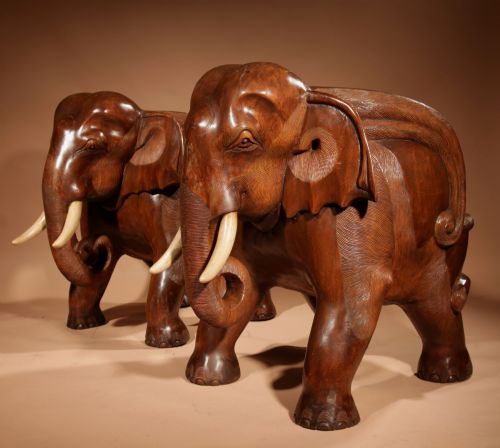
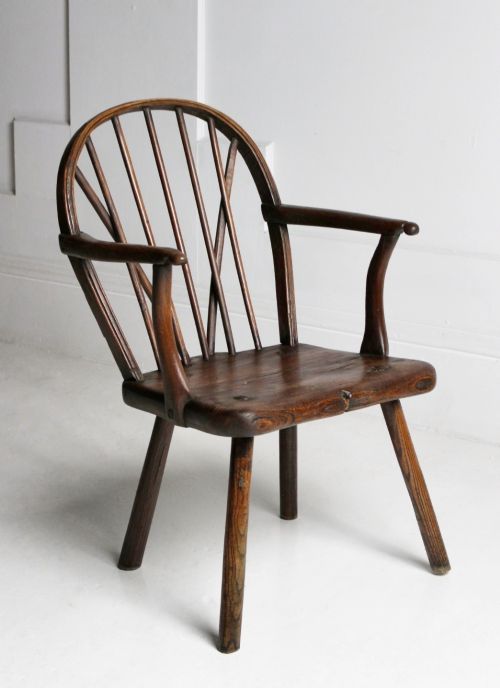

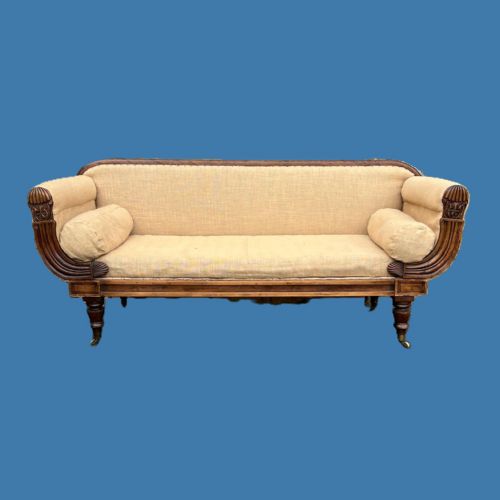


Period Timber Seat
A period timber seat anchors a room with genuine age, offering the solid construction and honest materials that modern furniture simply cannot replicate.
Period Timber Seat
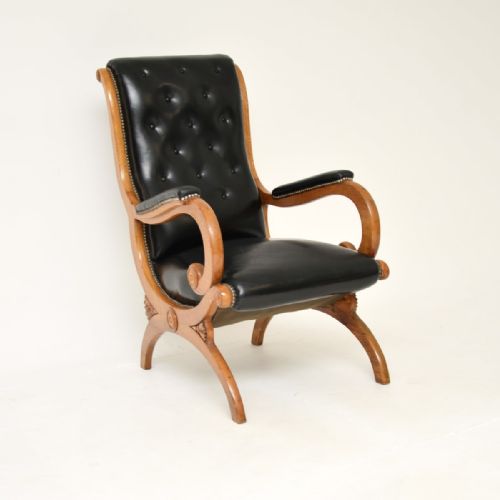
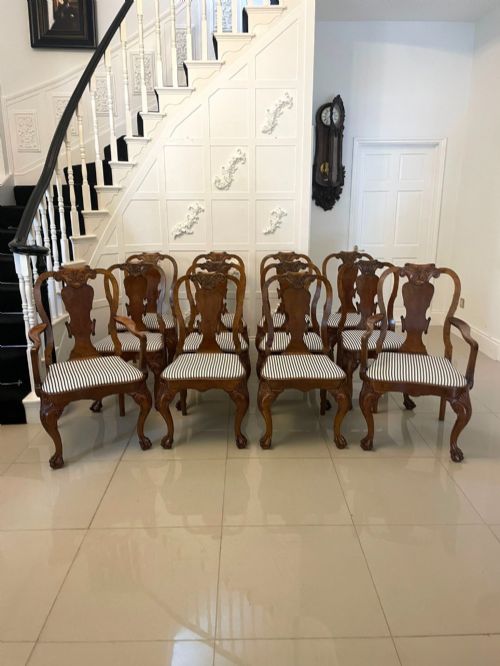
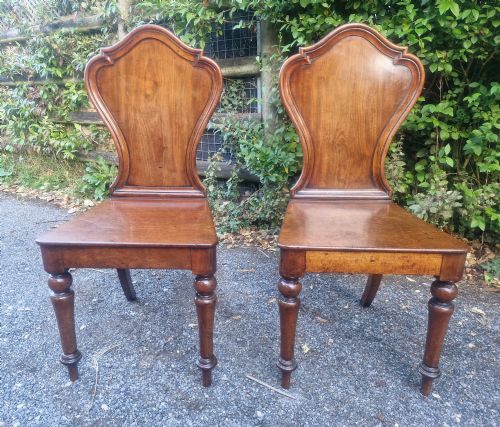
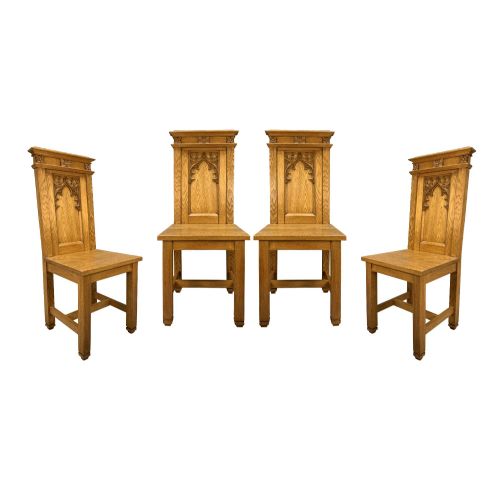
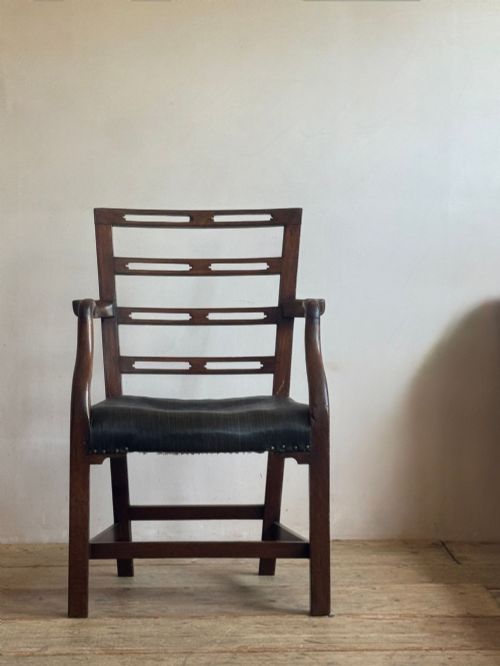
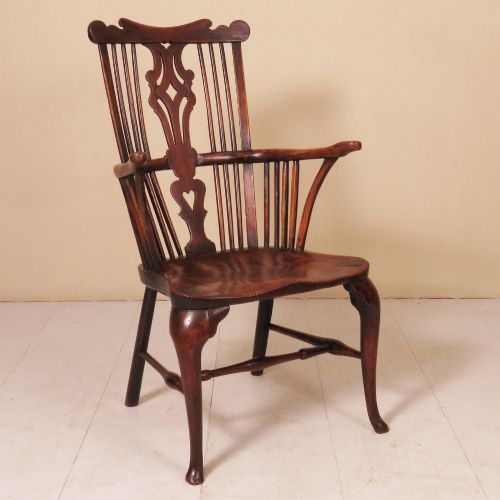
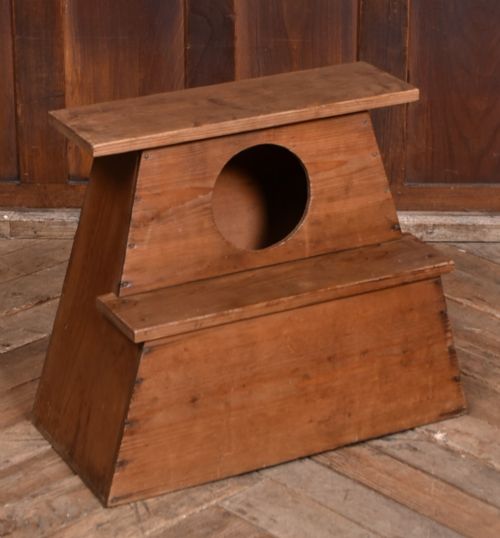
A period timber seat encompasses a diverse range of historic wooden chairs, benches, and stools spanning from the seventeenth century through to the Edwardian era. When searching for a period timber seat, collectors encounter everything from formal mahogany dining chairs and hall chairs to vernacular Windsor and ladder-back armchairs.
The selection on this page frequently highlights robust oak, mahogany, and ash seating from the Georgian, Victorian, and earlier seventeenth-century periods. These functional objects served various domestic and civic roles, including formal dining, hallway reception, and everyday domestic seating.
Materials and construction methods
Construction relies heavily on traditional hardwoods such as oak, mahogany, ash, and elm, often shaped using age-old joinery techniques like mortise and tenon. Makers utilised solid timber frames combined with rush or wooden seats to ensure durability over centuries of daily use.
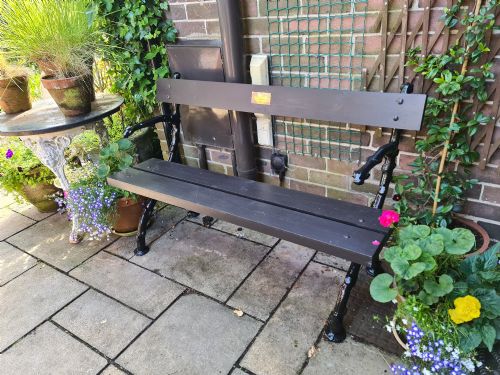
Surface finishes range from polished mahogany to waxed oak and painted or simulated woods like rosewood. Metal components such as brass fittings or cast-iron frames appear on specific garden benches and campaign pieces.
Period Timber Seat Retail Price Guide 2026
Typical asking prices for period timber seat among the pieces listed under this phrase on Sellingantiques today, from the lower quarter to the upper quarter. They describe what is for sale here now, not the wider market.
Some historic chairs spent their lives welcoming visitors in draughty hallways before eventually finding warmth inside modern living rooms.
Factors influencing craftsmanship and design
Quality in these pieces is determined by the selection of figured timber, the tightness of the joinery, and the retention of original surface patination. Superior examples display crisp carved details and harmonious proportions without excessive later restoration.
Simpler vernacular pieces rely on the honesty of their construction and the integrity of their native woods, such as ash and elm, whereas formal dining and hall chairs showcase refined cabinet-making skills and polished veneers.
The Period Timber Seat Glossary
- Wainscot chair
- An early seventeenth-century wooden armchair, typically constructed from solid oak with heavy panelled backs and turned supports.
- Windsor chair
- A traditional wooden chair featuring a solid saddle-sculpted seat into which separate legs and stick-or-comb backs are wedged.
- Hall chair
- A rigid wooden seat, often featuring a solid panel back and carved crest, designed for display in entrance halls rather than prolonged lounging.
- Ladder-back chair
- A seating form distinguished by horizontal slats set between the upright posts of the backrest.
- Campaign furniture
- Portable folding furniture designed for travel, frequently constructed from mahogany with brass mounts for durability.
Period Timber Seat: Frequently Asked Questions
How do I date a wooden chair?
Dating relies on identifying the primary wood species, construction methods, and stylistic cues characteristic of specific design periods.
Secondary indicators include tool marks, hardware types, and the natural wear patterns accumulated over generations.
Are these chairs suitable for daily use?
Most antique wooden chairs remain structurally sound and capable of handling regular domestic seating requirements.
Proper weight distribution and avoiding excessive humidity help preserve the original joints and timber.
What is the difference between oak and mahogany pieces?
Oak furniture typically dates from earlier centuries, displaying strong grain patterns and robust vernacular joinery.
Mahogany became prominent during the Georgian and Victorian eras, allowing for finer carved details and polished formal finishes.
How should I care for antique timber furniture?
Maintain stable indoor temperatures and humidity levels to prevent the timber from drying out or splitting.
Apply occasional traditional wax polish and avoid placing wooden seats near direct heat sources or strong sunlight.