





Period Tier Stand
These multi-level display units and serving fixtures provide structured vertical storage across various historic domestic spaces.
Period Tier Stand
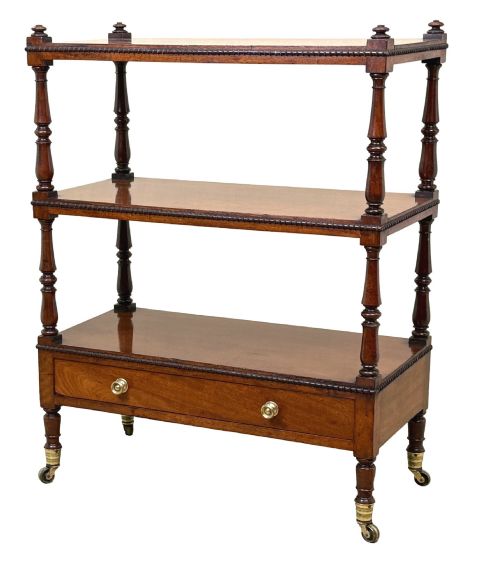
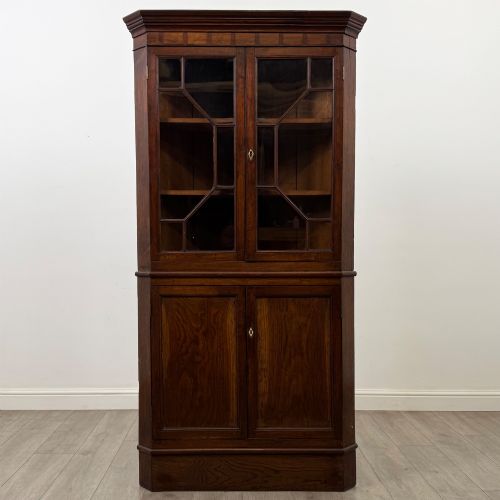
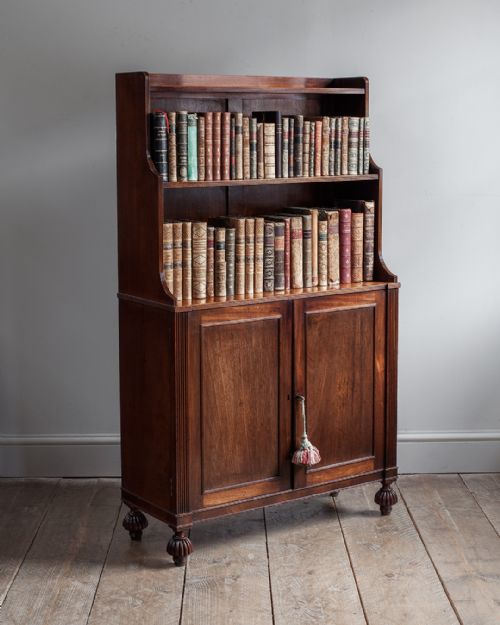
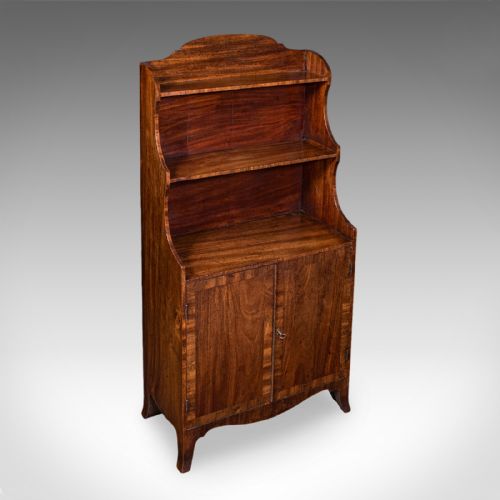
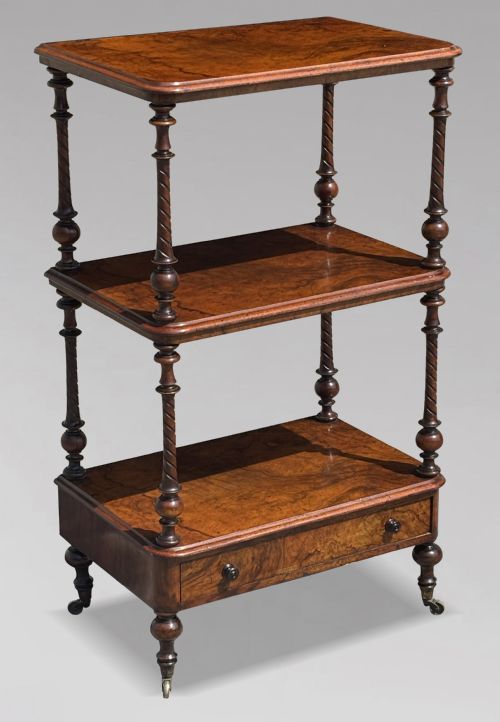
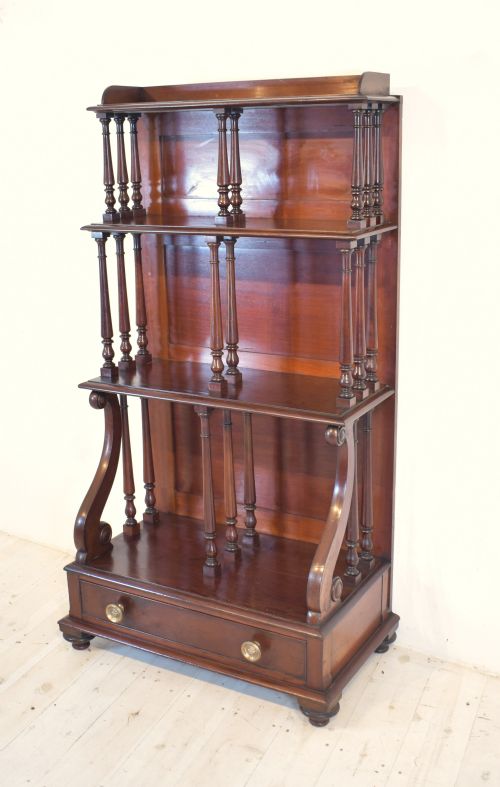
A period tier stand encompasses multiple formats such as étagères, whatnots, dumb waiters, and waterfall bookcases designed to hold books, serving items, or display pieces across several horizontal surfaces. Buyers searching for a period tier stand typically encounter configurations spanning the Georgian and Regency eras up through the Victorian period, utilising woods like mahogany, rosewood, and oak.
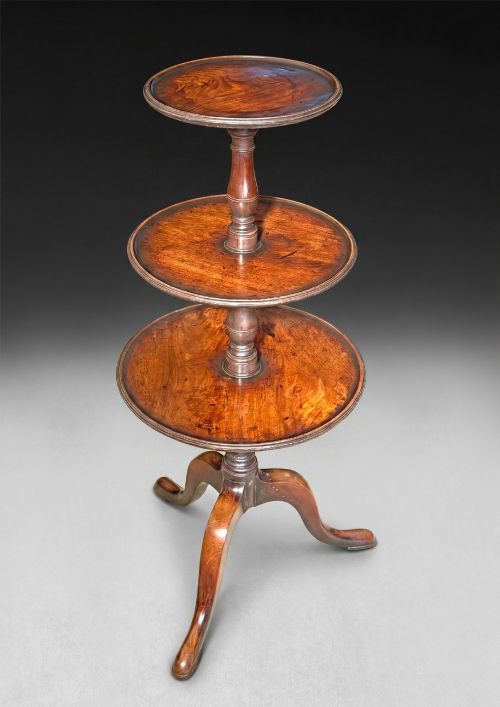
The most common iterations on this page are three-tier mahogany dumb waiters from the 18th and early 19th centuries, alongside Regency rosewood or mahogany whatnots and étagères. These practical pieces served dining rooms as serving tables and parlours as display furniture, offering graduated shelves supported by slender uprights or turned columns.
Examples range from compact corner units and folding drop-leaf tables to open bookcases and magazine racks, with origins spanning late 18th-century workshops to 19th-century cabinet makers. The overarching function remains the elevation of household objects across structured vertical levels.
How they were made
Cabinet makers constructed these tier stands primarily using dense hardwoods such as mahogany, rosewood, and oak, often selecting figured grain veneers for prominent display surfaces. Joinery relied upon traditional techniques including dovetails and mortise and tenon joints to secure the graduated shelves to upright supports.
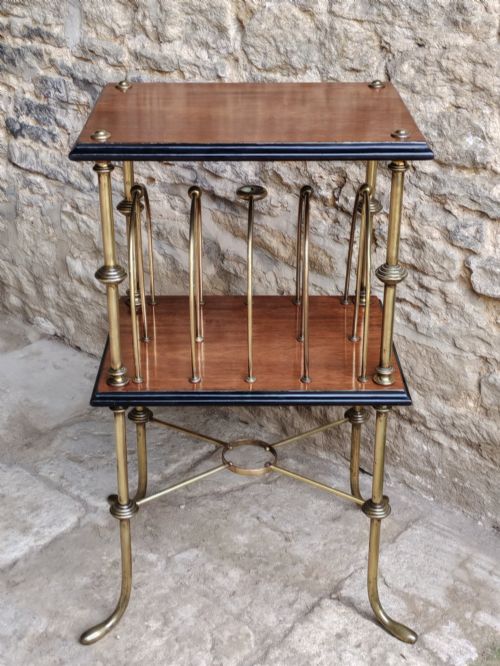
Metal accents frequently incorporated brass for casters, galleries, and hinges, while wirework appeared on specialised plant stands. Finishes involved hand-applied polishes that highlighted the natural figure of the timber.
Folding mechanisms on specific dumb waiter trays utilised hinged leaves and pivoting brackets, allowing sections to drop down when not in use.
Period Tier Stand Retail Price Guide 2026
Typical asking prices for period tier stand among the pieces listed under this phrase on Sellingantiques today, from the lower quarter to the upper quarter. They describe what is for sale here now, not the wider market.
Listings feature woods spanning mahogany, rosewood, oak, and walnut, alongside materials like brass, soft-paste porcelain, enamel, and glass.
What varies in quality
Quality in these multi-tiered furnishings rests upon the selection of timber, the crispness of the turning on the upright columns, and the structural integrity of the graduated shelves. Superior examples demonstrate thoughtful timber matching across shelves and refined joinery that conceals structural stress points.
Proportion and scale distinguish finer pieces, where the spacing between tiers balances the overall height without appearing ungainly or overly heavy. Details such as original brass castors, delicate pierced galleries, and secondary woods of equal grade indicate higher standards of craftsmanship.
Gillows
The Period Tier Stand Glossary
- Étagère
- A piece of furniture consisting of a set of open shelves for displaying small objects or ornaments. This French form became popular in English interiors during the Regency period.
- Dumb waiter
- A tiered serving table placed beside a dining table to hold dishes and bottles without requiring servant attendance. 18th-century versions often feature rotating circular trays.
- Waterfall bookcase
- A set of open bookshelves where each successive tier steps back from the one below, creating a profile resembling a descending cascade. They emerged during the Regency era in mahogany and rosewood.
- Canterbury
- A low stand with partitioned sections for sheet music, books, or magazines, often incorporating a single drawer below. They frequently appeared combined with whatnot shelving.
Period Tier Stand: Frequently Asked Questions
What is a dumb waiter used for?
A dumb waiter served dining rooms by holding extra plates, cutlery, and wine bottles within arm's reach of the guests. This allowed diners to help themselves during meals without servants present in the room.
Over time, these multi-tiered stands transitioned into general living spaces where their revolving or stacked trays accommodated books and decorative items.
How do you distinguish a whatnot from an etagere?
The terms are often used interchangeably in historic and modern trade descriptions, but subtle distinctions occasionally apply. A whatnot generally refers to utility shelving for general display, while an etagere leans toward decorative French-influenced display.
Both formats rely on multi-tiered vertical storage supported by slender columns, differing mainly in decorative elaboration rather than basic function.
What wood was most commonly used?
Mahogany served as the predominant timber for tier stands throughout the Georgian and Regency periods due to its strength and rich grain. Cabinet makers also utilised rosewood, particularly during the Regency era, for decorative display pieces.
Oak appeared frequently in earlier utility pieces and corner cabinets, while walnut gained popularity during the later Victorian period.
How do you date a tier stand?
Dating relies upon examining the timber species, construction methods, and prevailing architectural styles of the legs and turning. Georgian pieces often feature square tapered legs or traditional tripod bases, while Regency examples showcase rosewood veneers, brass inlays, and sabre legs.
Secondary woods used inside drawers or beneath shelves provide further clues regarding the era of manufacture.