





Period Tester Bed
A period tester bed commands a room with architectural timber and fabric canopy work, offering centuries of sleeping history.
Period Tester Bed
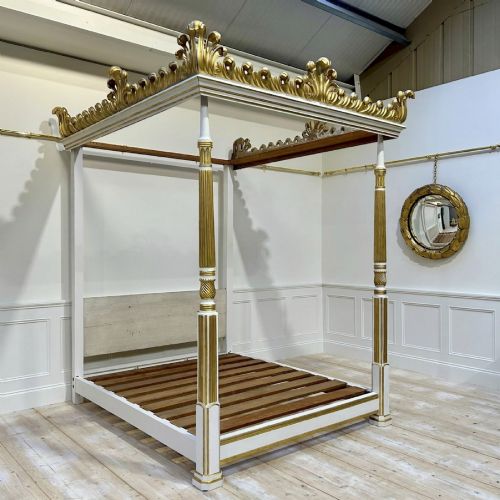
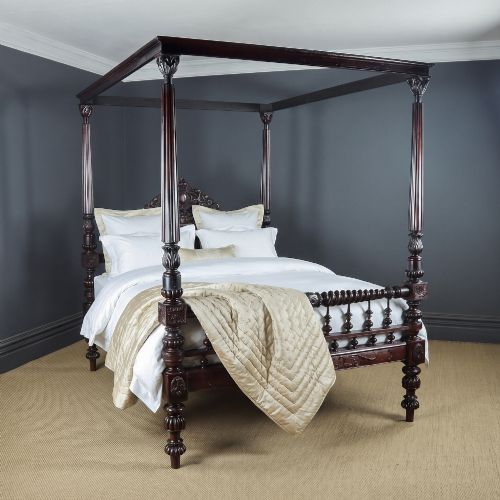
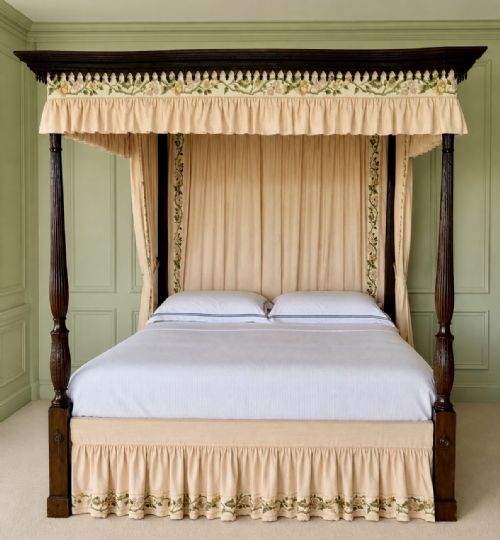
A period tester bed represents a grand tradition of sleeping quarters enclosed by wooden posts and a flat overhead canopy known as a tester. These substantial pieces arrive in several distinct historical iterations, ranging from heavy early styles to later refined designs.
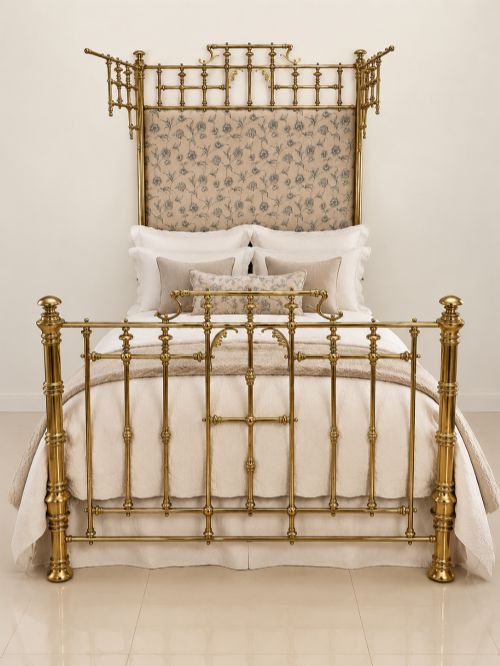
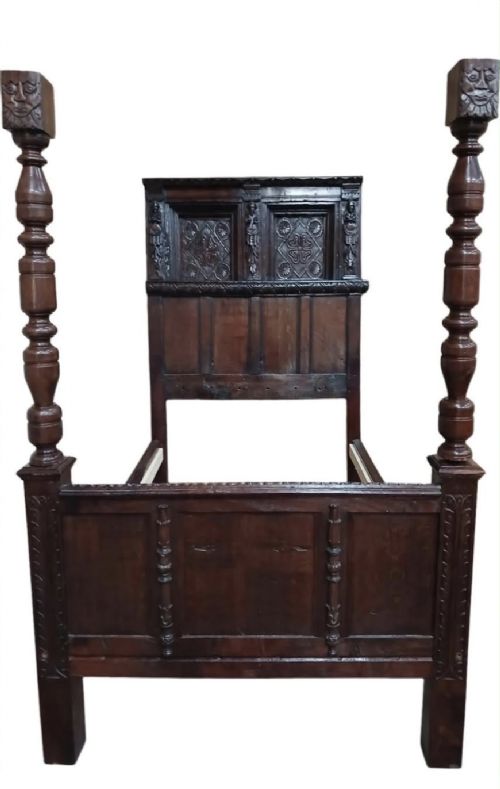
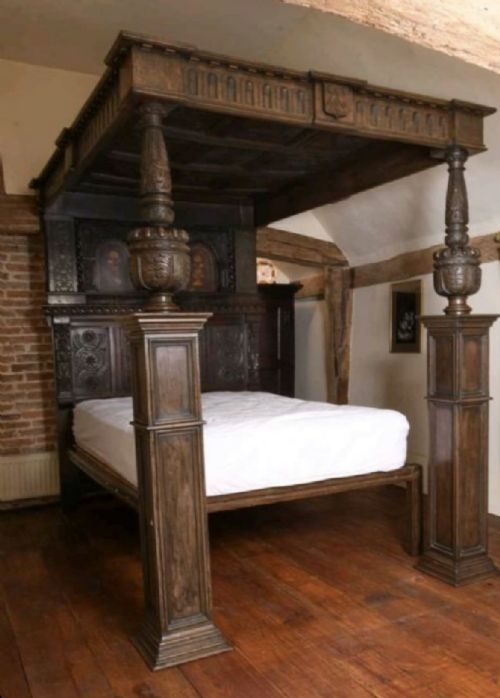
The versions most frequently met on this page span the 17th century through to the Victorian era, utilising native timbers like oak and imported hardwoods such as mahogany. Forms range from early oak examples featuring panelled headboards to elegant Regency and Victorian frames.
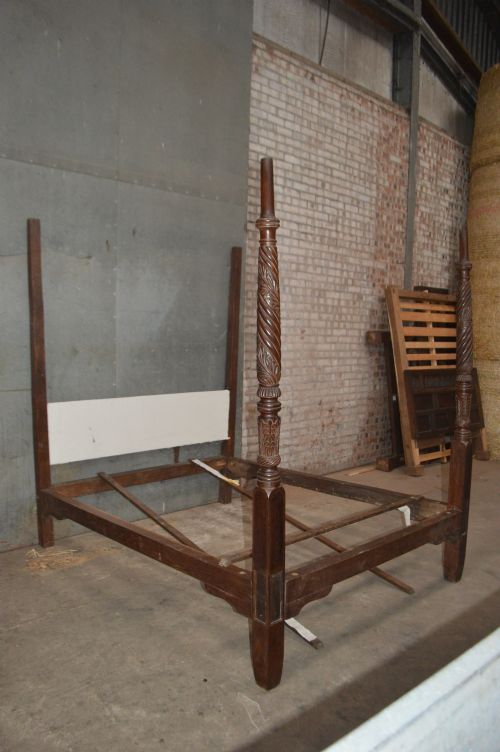
Makers and workshops across these centuries adapted the basic four poster format to suit changing domestic tastes, incorporating styles from Elizabethan and Jacobean motifs to Anglo-Indian Colonial interpretations and Georgian proportions.
How they were made
Construction relies heavily on structural timber, with early pieces fashioned from solid oak whilst later 18th and 19th-century examples turn to rich mahogany and occasional pine or iron elements. Joinery techniques in the earlier centuries involved traditional pegging and heavy framing to support the solid wooden testers.
Surface finish and detailing incorporate hand-carved ornamentation on the posts alongside painted elements and fabric integration for the tester ceiling and hangings. Brass fittings appear on later 19th-century bedsteads, adding metalwork structure to the timber frames.
Period Tester Bed Retail Price Guide 2026
Typical asking prices for period tester bed among the pieces listed under this phrase on Sellingantiques today, from the lower quarter to the upper quarter. They describe what is for sale here now, not the wider market.
Early testers kept sleepers safe from random ceiling debris before modern plasterwork became standard in houses.
What varies in quality
Quality reveals itself in the proportion of the architectural elements and the crispness of the carved detail upon the main posts and headboards. Early oak frames demonstrate depth of relief in their panel work, whilst Georgian and Regency models rely on the grain of the mahogany and the elegance of the turning.
The integrity of the structural frame and the survival of original timber components determine the standing of an individual bedstead. Alterations to post heights or replaced tester boards alter the historical continuity of the piece.
The Period Tester Bed Glossary
- Four poster bed
- A bed with four vertical posts supporting an overhead tester frame. This form provides structural enclosure for curtains and drapery.
- Jacobean
- A style dating from the early 17th century characterised by robust oak construction and geometric carved ornamentation. It frequently appears in the earliest bed frames.
- Anglo-Indian Colonial
- A specific design category reflecting British influence in India during the 19th century. These pieces utilise dense tropical hardwoods and deep carving.
Period Tester Bed: Frequently Asked Questions
How do I fit a modern mattress?
Many period frames require custom mattress dimensions or internal support slats to accommodate standard sizing whilst preserving the historic side rails and posts.
Sourcing a bespoke mattress ensures the bed functions practically without altering the antique wooden structure.
Are tester beds difficult to assemble?
These large bedsteads utilise traditional joints, requiring careful handling and often professional installation to ensure the tester and posts remain stable.
Working with experienced handlers prevents damage to the ancient timber and secures the canopy properly.
How do I care for the timber?
Maintenance involves gentle dusting and the occasional application of traditional wax to nourish the oak or mahogany surfaces.
Keeping the bed away from direct heat sources prevents the historic wood from drying out and splitting.
Can I use modern fabric for the canopy?
Drapery selection ranges from historically accurate damasks and brocades to simple linens that soften the architectural presence of the heavy posts.
Using appropriate mounting tape or traditional ties protects the wooden tester frame from unnecessary damage.