





Period Tall Clock
A period tall clock stands as a towering piece of domestic furniture, bringing mechanical timekeeping and grand presence to a room.
Period Tall Clock
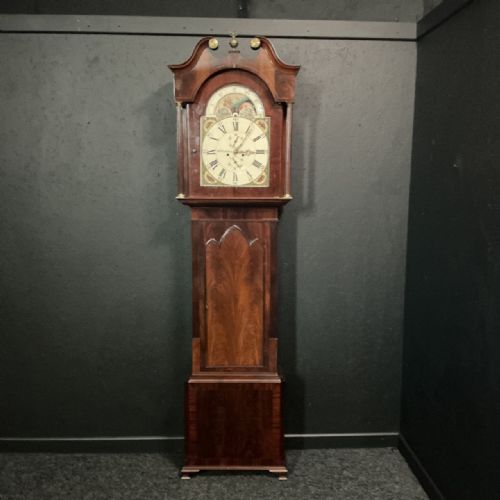
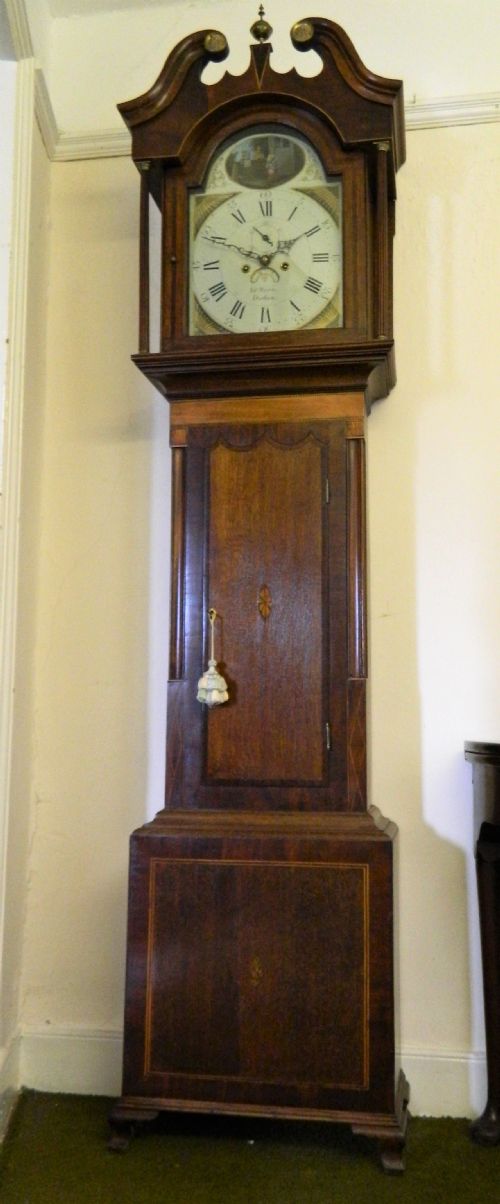
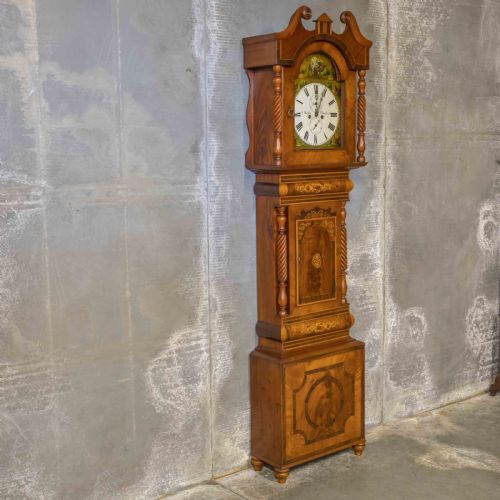
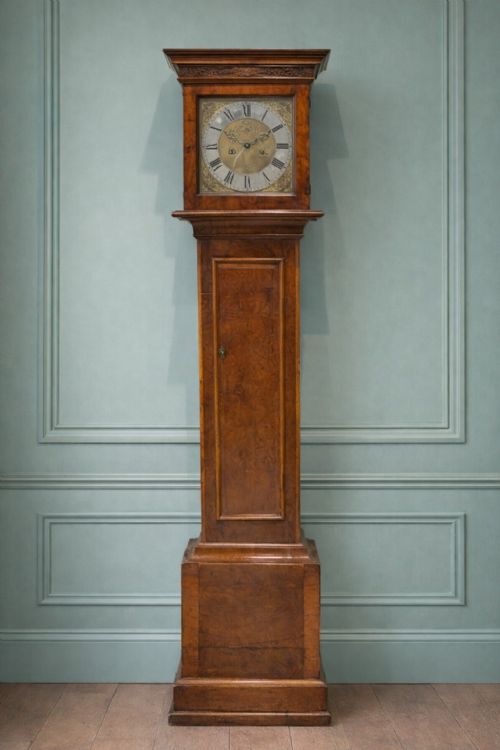
A period tall clock is a freestanding timekeeper housed in a tall wooden case, designed to protect the pendulum and weights while serving as a commanding architectural feature in the home. These pieces are most frequently encountered from the Georgian and eighteenth century periods, showcasing traditional cabinetmaking forms.
The objects listed on this page encompass various regional and stylistic variations, spanning longcase clocks in oak, mahogany, walnut, and burr elm. Examples range from modest provincial oak timepieces to sophisticated London pieces with lancet tops or marquetry details.
How they were made
Cabinetmakers constructed the tall cases using native and imported timbers such as oak, mahogany, walnut, and burr elm, often employing figured veneers to create striking grain patterns on the trunk door and base. These wooden housings were built in sections - hood, trunk, and base - to accommodate the long pendulum and falling weights.
Period Tall Clock Retail Price Guide 2026
Typical asking prices for period tall clock among the pieces listed under this phrase on Sellingantiques today, from the lower quarter to the upper quarter. They describe what is for sale here now, not the wider market.
Timekeeping requires remembering to coax weights back up every week, turning your hallway into a hands-on mechanical relationship.
What varies in quality
The refinement of the cabinetwork and the sophistication of the dial design separate the exceptional examples from standard workshop production. Selection of timber figure, such as richly patterned burr elm or finely figured mahogany, elevates the visual depth of the case.
Maker attribution and regional provenance heavily influence the standing of a piece, particularly items bearing signatures from London workshops compared to provincial makers. The complexity of the movement and the crispness of brass dial ornamentation further distinguish higher-tier examples.
Joseph Saer of London·Williams·Raine of Durham
The Period Tall Clock Glossary
- Longcase clock
- A tall pendulum clock enclosed in a wooden case standing directly on the floor. This term is often used interchangeably with grandfather clock.
- Spandrel
- An ornamental corner piece applied to the dial of a clock. These decorative metal mounts are frequently cast in brass and styled according to the period.
- Chapter ring
- The circular ring on a clock dial that bears the hour numerals. It is commonly fashioned from silvered or engraved brass.
- Burr elm
- A prized wood showing twisted, knotty growth patterns that create complex grain textures. Cabinetmakers utilised burr veneers on high-status clock cases.
- Lancet top
- An arched architectural pediment resembling a lancet window. This profile appears on the hoods of specific nineteenth-century tall clocks.
Period Tall Clock: Frequently Asked Questions
How tall is a period tall clock?
These clocks typically stand between six and eight feet tall, accommodating the lengthy drop of the internal weights and the swing of the pendulum. Their substantial vertical presence requires adequate ceiling clearance and a stable floor.
Smaller provincial examples exist, but standard proportions demand careful placement in hallways, stairwells, or principal reception rooms where the ceiling height permits.
Where were tall clocks placed?
Historical interiors positioned tall clocks in communal spaces such as halls, living rooms, and landings where the striking mechanism could be heard throughout the household. Their visual prominence made them both utilitarian objects and statements of household status.
Placing them away from direct sunlight and heat sources ensures the timber case remains stable and the mechanical movement functions reliably over time.
How do I identify a Georgian clock?
Georgian tall clocks are typically characterised by the use of mahogany or oak, clean architectural lines, and brass dial accessories. Mid-eighteenth-century examples often feature square dials, while later Georgian pieces frequently adopt arched faces.
Cabinet construction from this era relies on traditional joinery techniques, and the proportions reflect the changing neoclassical tastes of the eighteenth and early nineteenth centuries.
What is the difference between oak and mahogany cases?
Oak cases generally date from earlier provincial or rural workshops, displaying a robust, utilitarian aesthetic with visible grain and sturdy construction. Mahogany became widespread later in the eighteenth century, offering a smoother reddish-brown surface suited to finer polished finishes.
Both timbers were chosen for their structural stability, though mahogany allowed for more refined veneer work and crisper carved details on high-end London pieces.