





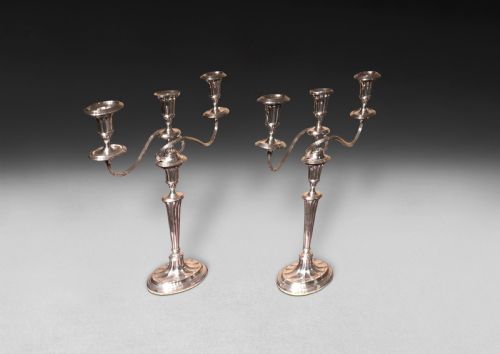


Period Table Silver
Period table silver brings functional elegance to dining, featuring sterling silver, Old Sheffield plate, and fine glassware from the seventeenth century onwards.
Period Table Silver
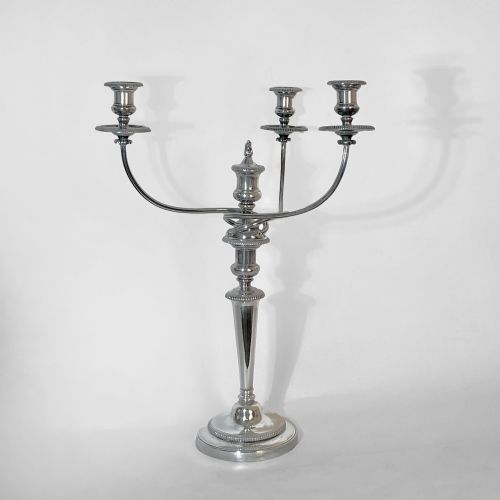
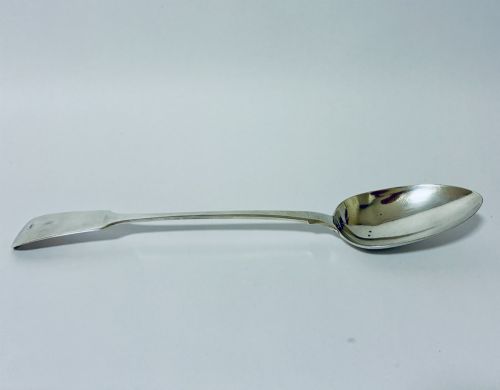
The selections available here frequently include Old Sheffield plate candelabra and sterling silver spoons alongside occasional decorative items like cut glass sugar casters. Each piece reflects the aesthetic standards of its respective period, from William and Mary through the Regency and Victorian eras.
Buyers seeking period table silver will encounter both solid sterling items and plated wares intended for formal presentation. The forms serve as physical links to historical domestic routines and sophisticated table settings.
Materials and Techniques
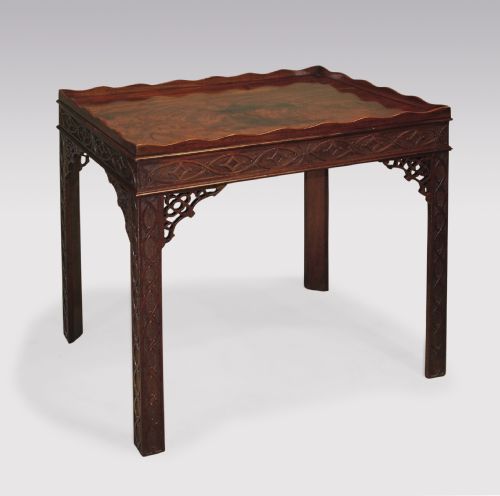
The primary metals utilised across these pieces are sterling silver and copper fused with silver through the Old Sheffield plating technique. Makers also incorporated complementary materials such as cut glass, brass, ebonised wood, and mahogany to construct complex items like cruet stands and side tables.
Manufacturing methods involve traditional silversmithing techniques including hand-raising, casting, and engraving, alongside the distinct fused-plate process characteristic of earlier Sheffield wares. Surface details such as family crests and decorative chasing display high levels of artisanal proficiency.
Period Table Silver Retail Price Guide 2026
Typical asking prices for period table silver among the pieces listed under this phrase on Sellingantiques today, from the lower quarter to the upper quarter. They describe what is for sale here now, not the wider market.
Listings incorporate sterling silver, silver plate, brass, mahogany, and cut glass across periods spanning the seventeenth to the nineteenth centuries.
Qualities of Distinction
Quality varies according to the crispness of the original chasing, the preservation of silver surfaces on plated items, and the integrity of associated materials like glass bottles or wooden frames. Examples featuring clear hallmarks and legible maker marks demonstrate higher documentary value.
The presence of original family crests or documented maker attributions elevates specific items above standard production pieces. Superior proportion and balanced design distinguish finer examples within each historical period.
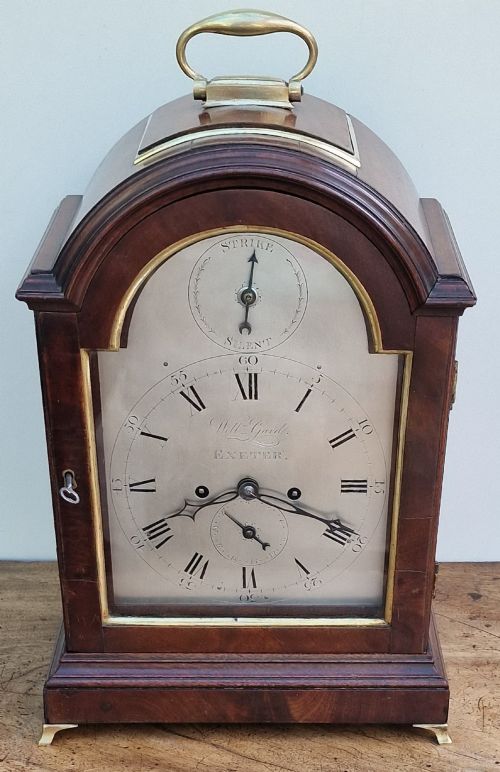
William Gard·William Speakman·Paul Garnier·John King
The Period Table Silver Glossary
- Sterling silver
- A silver alloy containing 92.5 percent pure silver by mass and 7.5 percent other metals, usually copper.
- Old Sheffield plate
- A composite material made by fusing a thin sheet of silver to a thicker copper base, common before electroplating.
- Trefid spoon
- An early form of flatware featuring a broad, three-lobed terminal handle, popular in the late seventeenth century.
- Candelabra
- A branched candlestick holder designed to support multiple lighting tubes or candles simultaneously.
- Cruet stand
- A frame holding small bottles or containers for condiments, oils, and vinegars used at the dining table.
- Campana
- A bell-shaped vessel design often utilised for wine coolers and urns during the Regency period.
Period Table Silver: Frequently Asked Questions
What is period table silver?
Period table silver includes historical dining accessories and flatware created from sterling silver or plated metals during eras such as the Georgian and Victorian periods.
These items range from serving spoons to candelabra and cruet stands designed for formal dining.
How do I identify Old Sheffield plate?
Old Sheffield plate involves fusing silver to a copper base, often revealing subtle copper undertones where wear occurs over centuries.
Items from this category usually date from the eighteenth to early nineteenth centuries before electroplating became common.
How should I clean silver?
Silver requires gentle cleaning with specialised cloths to preserve the metal surface and any engraved crests or hallmarks.
Avoid harsh abrasives that can damage Old Sheffield plating or remove historical patination.
What periods do these pieces span?
The pieces span multiple centuries, starting from the late seventeenth century under William and Mary through the Georgian, Regency, and Victorian eras.
Each period exhibits distinct stylistic characteristics in manufacturing and ornamentation.