



Period Style Lighting
Period style lighting illuminates interiors with historical character, offering authentic metalwork and glass to anchor a traditional room.
Period Style Lighting
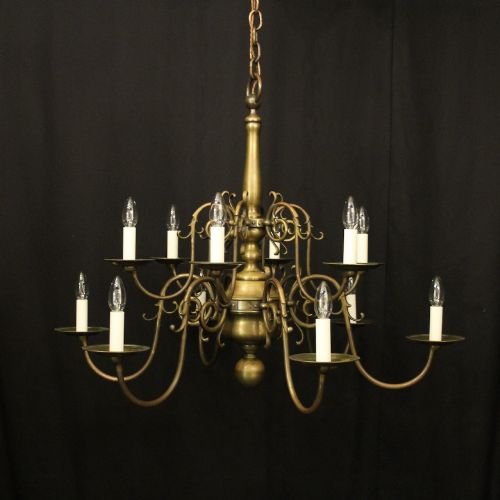
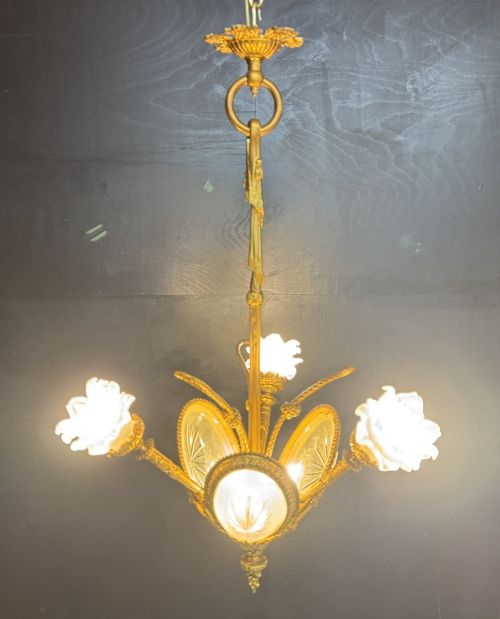
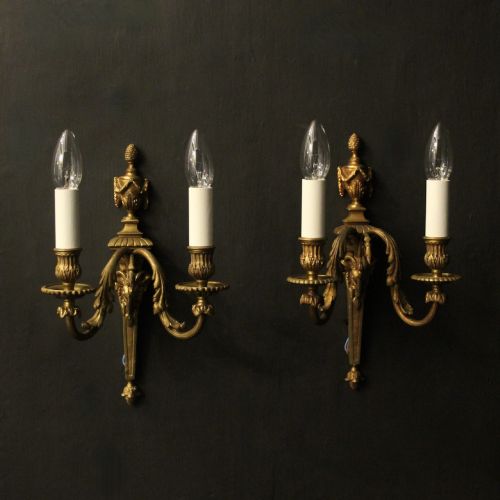
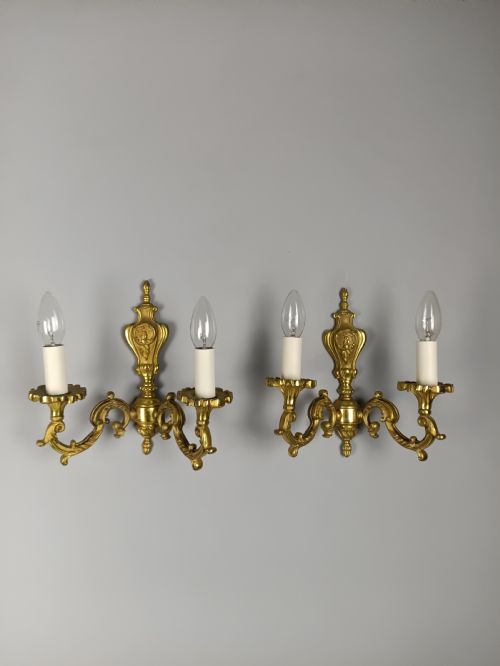
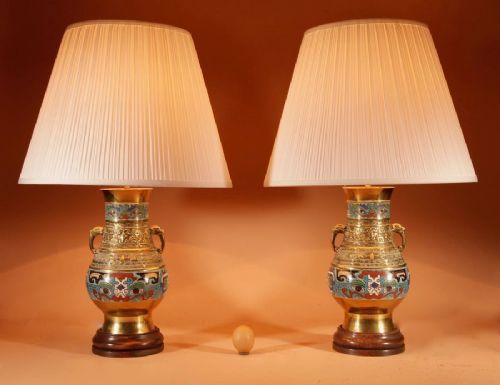
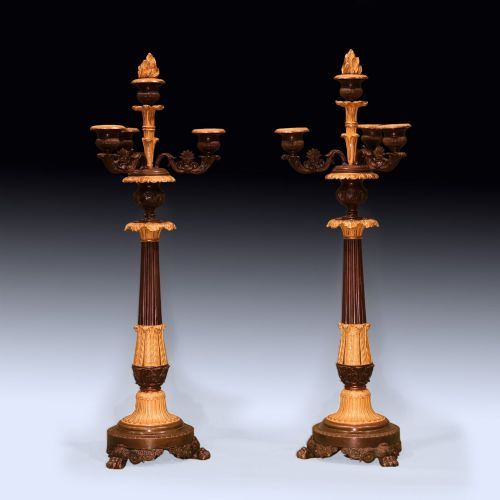
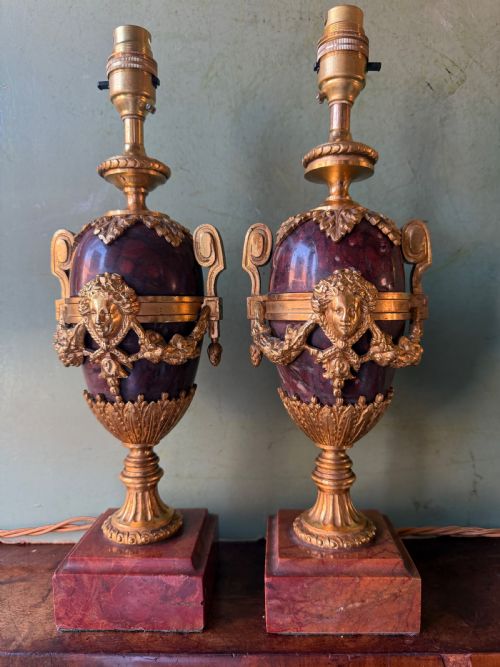
Period style lighting covers functional illumination pieces designed to reflect historical aesthetics from past centuries. When searching for period style lighting, buyers encounter diverse forms ranging from large chandeliers and wall lights to table lamps and candelabra.
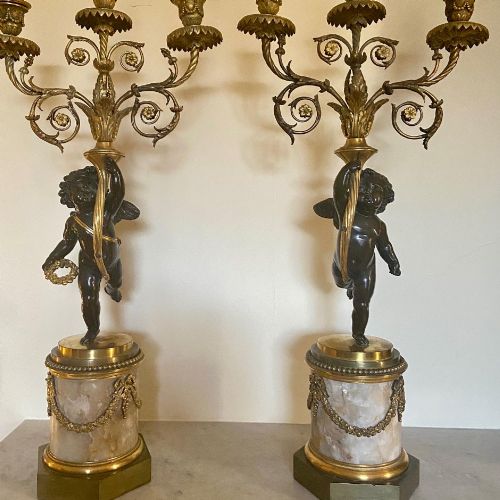
The selections on this page lean heavily towards nineteenth century pieces alongside Edwardian and early twentieth century examples. Brass, bronze, and ormolu dominate the physical forms, often styled after Regency, French Empire, and Louis XVI designs.
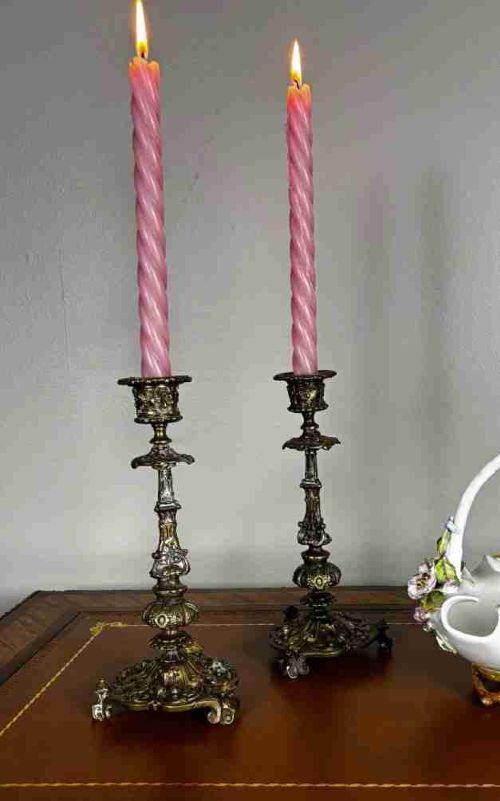
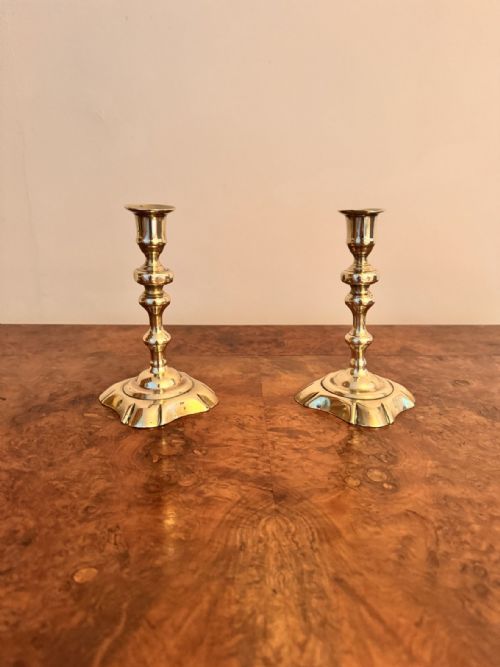
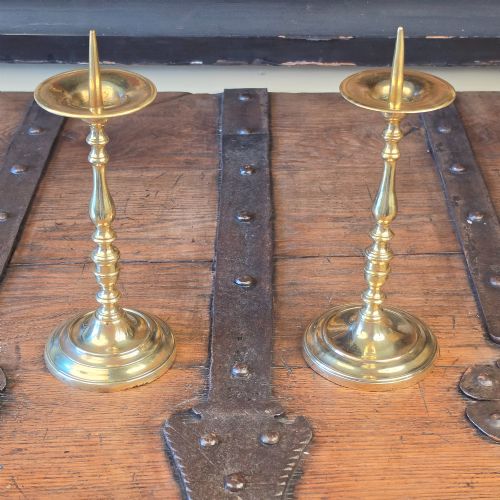
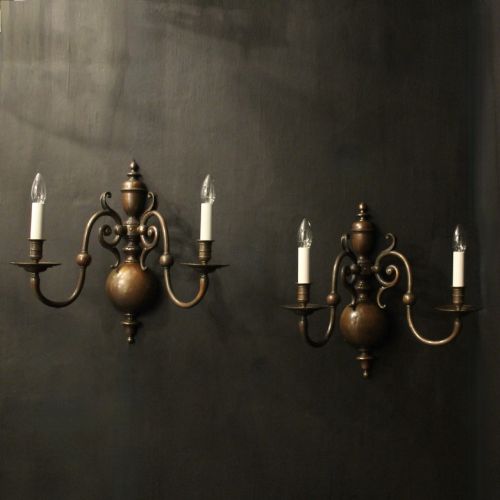
Makers utilised various traditional lighting formats, adapting oil lamps and candle fixtures for modern electrical use. Alongside hanging chandeliers and wall brackets, the inventory includes freestanding candlesticks and table lamps utilising Japanese champlevé enamel or carved elements.
Materials and construction methods
The physical construction relies heavily on cast metals including brass, bronze, gilt bronze, and ormolu. Artisans chased and gilded these metal surfaces to achieve rich metallic finishes that defined interior illumination during the Regency and Victorian eras.
Foundry work and hand assembly determined the structural integrity of these fittings, with components joined by threaded rods and screws. Metal parts often received patination or applied gilding to enhance depth and highlight intricate cast details.
Period Style Lighting Retail Price Guide 2026
Typical asking prices for period style lighting among the pieces listed under this phrase on Sellingantiques today, from the lower quarter to the upper quarter. They describe what is for sale here now, not the wider market.
Object forms span chandeliers, wall lights, and candlesticks, reflecting Regency, Victorian, and Edwardian design influences.
Differentiating quality across pieces
Quality separates through the crispness of the metal casting and the depth of the chasing. Superior pieces display sharply defined ornamentation where human hands have refined the raw cast metal before gilding or patination.
The choice of secondary materials dictates the tier of a piece, such as heavy hand-cut crystal drops versus pressed glass, or solid marble columns versus simpler metal tubes. Rigidity in the arm assemblies and the weight of the bronze or brass indicate superior structural substance.
The Period Style Lighting Glossary
- Ormolu
- A method of applying finely ground high-carat gold to a bronze object using a mercury amalgam. This technique creates a rich golden finish seen on French and English decorative metalwork.
- Candelabra
- A branched candlestick designed to hold multiple candles simultaneously. These pieces often feature central shafts decorated with figural or classical motifs.
- Champlevé
- An enamelling technique where troughs or cells are carved into a metal surface and filled with vitreous enamel powder before firing. Japanese and European makers applied this method to brass bases.
- Pricket
- A sharp metal spike on a candlestick or altar light designed to impound the base of a candle. This form appears frequently in seventeenth century style ecclesiastical metalwork.
- Lustre
- A glass pendant or drop hung from a light fitting to refract light from candles or bulbs. They add sparkle and visual movement to chandeliers and wall lights.
Period Style Lighting: Frequently Asked Questions
How do I wire an antique light?
Wiring historic fittings requires running modern heat-resistant flex through the internal channels of the metal frame. Electricians often need to adapt older socket sizes to fit standard contemporary bulbs safely without altering the visible exterior.
Professional rewiring ensures compliance with modern safety standards while preserving the structural integrity of brass and bronze arms.
Are these lights ready for installation?
Most antique lighting fixtures require professional installation by a qualified electrician due to their weight and non-standard mounting brackets. Ceiling roses and wall hanging plates must support the substantial mass of cast bronze and crystal components.
Checking the internal wiring status before mounting guarantees safe integration into domestic electrical circuits.
How do I clean bronze and brass?
Dusting with a soft, dry brush or microfiber cloth removes everyday accumulation without disturbing the historic patination. Avoid harsh chemical cleaners or abrasive metal polishes that strip away original gilding and surface age.
Preserving the natural patina maintains the visual depth and historical authenticity of nineteenth century metalwork.
What rooms suit a chandelier?
Chandeliers suit spaces with adequate ceiling height to allow safe clearance beneath the hanging drop. Hallways, dining rooms, and principal reception rooms accommodate multi-arm brass and crystal fixtures effectively.
Scaling the diameter of the chandelier to the floor dimensions ensures the piece anchors the room visually.