

Period Style Furniture
Period style furniture brings historic character and traditional craftsmanship into modern rooms through time-honoured designs.
Period Style Furniture
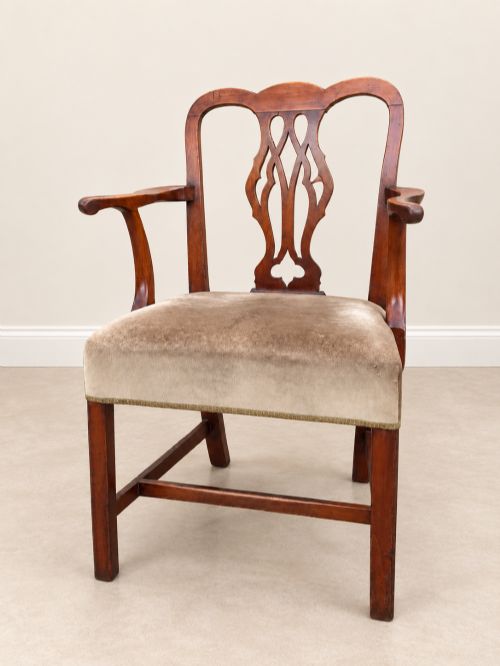
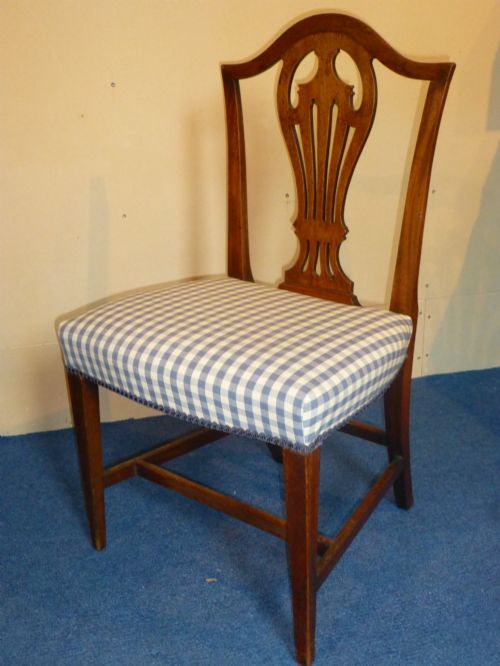
Period style furniture comprises seating, tables, cabinets and storage pieces that echo historical design epochs ranging from the seventeenth century through to the Edwardian era. When searching for period style furniture, buyers encounter items built from solid woods like oak, mahogany and walnut, often reflecting Georgian, Victorian or Regency aesthetics.
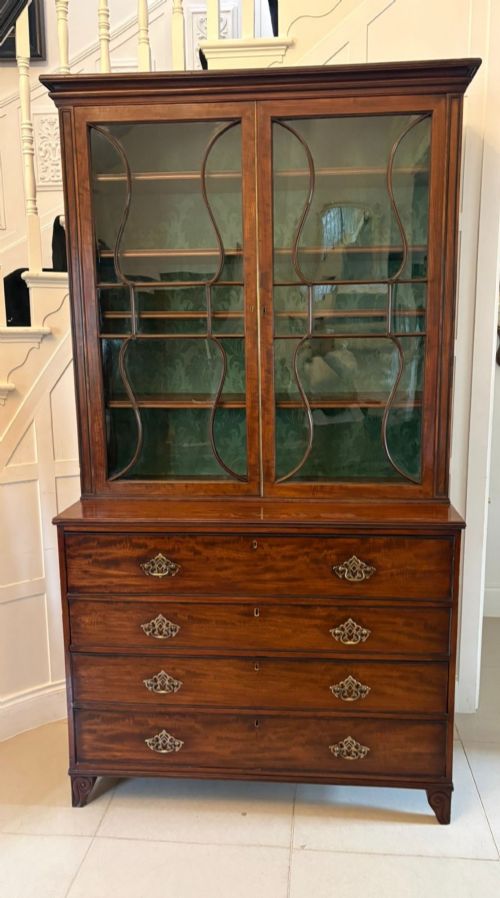
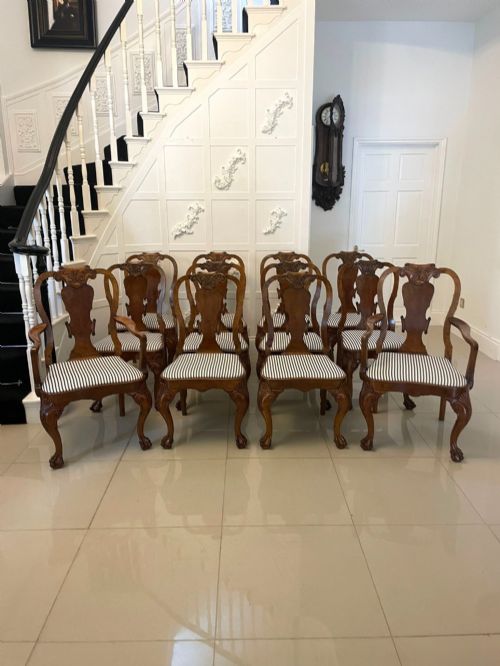
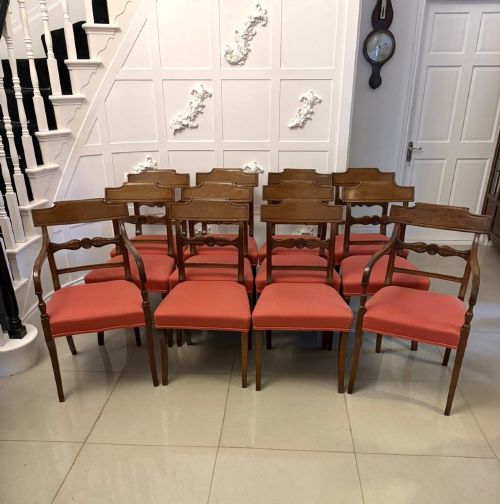
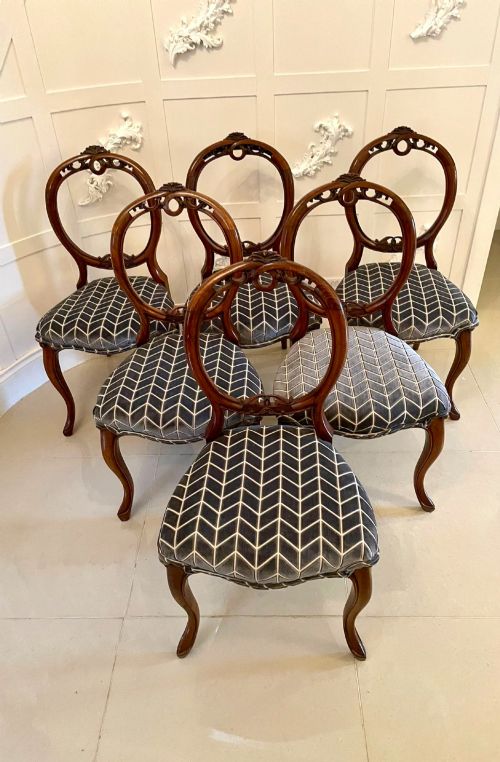
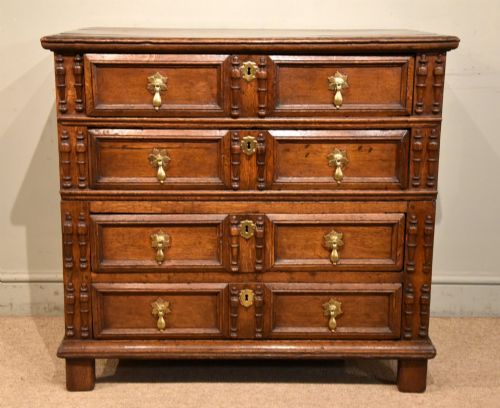
The pieces appearing on this page span robust seventeenth-century oak chests and refectory tables to elegant nineteenth-century dining chairs and display cabinets. Buyers frequently find large matched sets of dining chairs alongside individual armchairs, side tables and specialised items such as music cabinets.
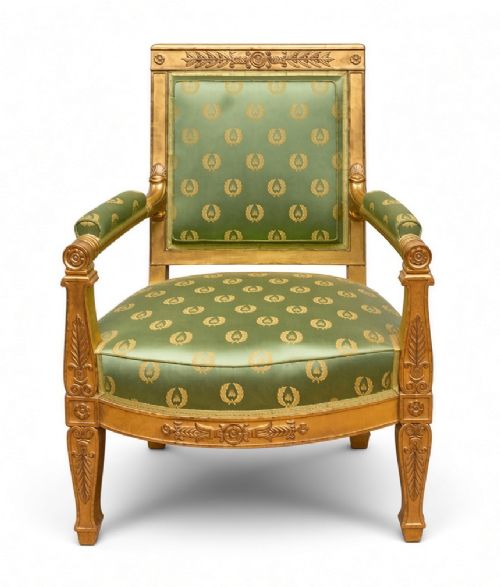
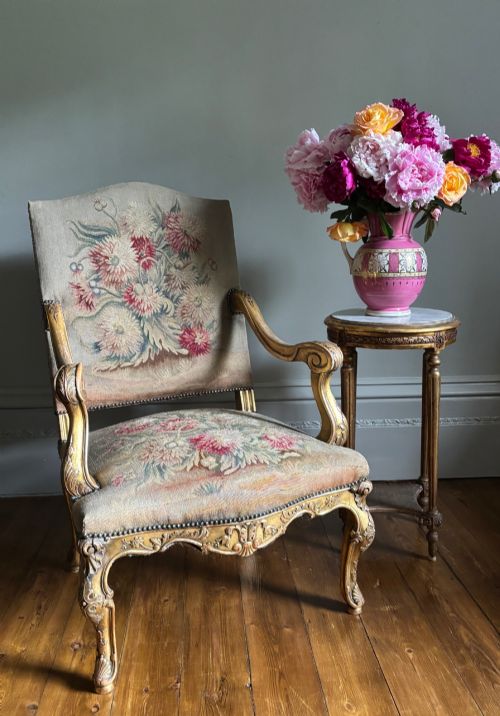
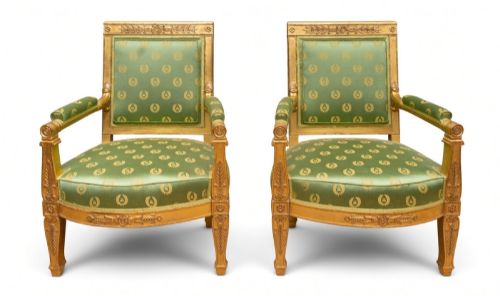
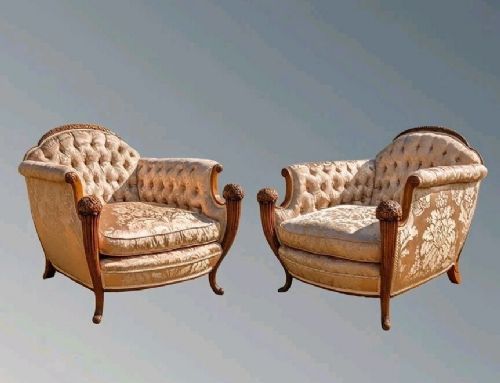
Origin and form vary widely, encompassing English cabinet-making, French giltwood seating and Scottish seating designs. These items serve both functional roles in domestic interiors and act as historical examples of traditional woodworking.
Materials and construction
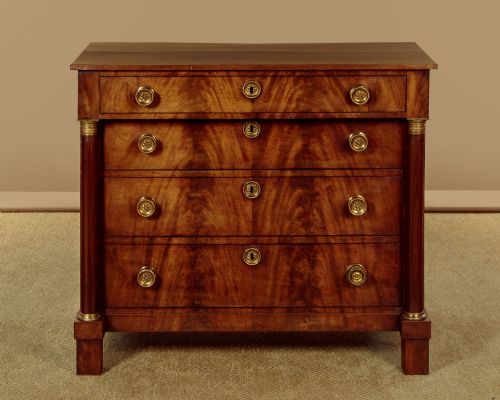
Makers utilised dense hardwoods such as oak, mahogany, walnut and fruitwood to build structural carcasses and frames that withstand centuries of use. Timber selection governed the strength of items like dining tables and chest of drawers.
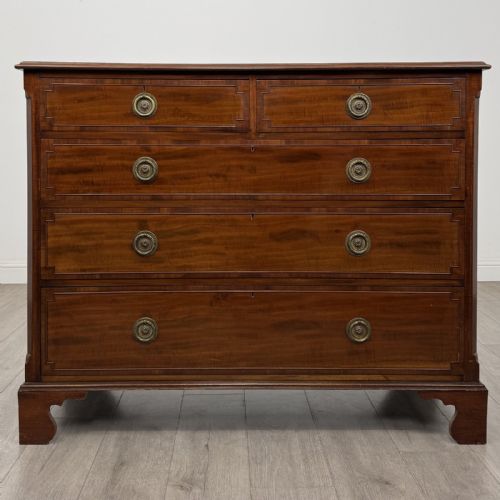
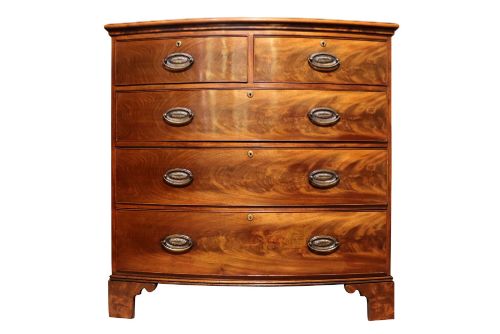
Decorative surface techniques included brass inlay, delicate wood marquetry and carved details such as bracket feet, geometric mouldings and scroll arms. Selected pieces feature upholstery in silk, fabric or original tapestry seats held by iron or wooden frames.
Surface finishes relied on natural polishes and patination achieved through hand-applied oils and waxes over decades. Giltwood items employed applied gold leaf over carved wooden substrates to create ornate French-influenced seating.
Among the seating are items designed specifically for resting sheet music, garden gatherings, and royal palaces in Paris.
Distinctions in quality
The integrity of the timber framing and the precision of joinery separate standard items from superior examples. Master cabinet-makers employed tight dovetails, secure mortise and tenon joints, and carefully selected grain patterns that remain stable over centuries.
Subtlety and execution in hand-carved ornamentation dictate the standing of a piece. Crisp mouldings, well-defined brass inlay and intact original hardware distinguish workshops of high repute from more rudimentary production.
Maple & Co·Jacob-Desmalter·Louis Constantin Le Gaigneur
The Period Style Furniture Glossary
- Bracket feet
- A simple, sturdy foot shape resembling a bracket, commonly found on chests of drawers and cabinets from the Georgian period.
- Fauteuil
- An open-framed armchair with upholstered seat and backrest, typically featuring exposed wooden arms characteristic of French seating.
- Marquetry
- Decorative inlay work using various coloured woods arranged in geometric or floral patterns across flat furniture surfaces.
- Refectory table
- A long, narrow dining table originally used in monastic refectories, characterised by substantial oak legs connected by sturdy stretchers.
Period Style Furniture: Frequently Asked Questions
How do I identify period style furniture?
Examination of timber types, construction joints and decorative motifs helps determine the likely era of a piece. Cabinet-makers across the seventeenth, eighteenth and nineteenth centuries utilised specific woods and joinery methods that distinguish their output.
Comparing hardware, carving styles and proportion against known historical examples provides further clarity on whether an item belongs to a specific design movement or later revival.
Are these pieces suitable for daily use?
Robust items such as oak dining tables, mahogany chest of drawers and sturdy armchairs function reliably in modern homes. Solid hardwood construction ensures these furnishings withstand regular domestic activity.
Care should be taken with delicate surfaces, giltwood finishes and antique textiles such as silk or original tapestry seats. Placing items away from direct heat sources preserves the wood and upholstery.
How should I care for antique wood?
Routine maintenance involves dusting with a soft, dry cloth to prevent particulate buildup on polished mahogany, walnut and oak surfaces. Avoiding silicone-based polishes preserves the underlying patination.
Maintaining stable indoor humidity levels prevents timber from drying out, cracking or warping over time. Periodic application of appropriate wax feeds the grain and maintains the surface sheen.
What defines a carver chair?
A carver chair is an armchair designed specifically to sit at the head or foot of a dining table, featuring supportive armrests. These pieces matched the smaller side chairs in a dining set.
Wealthy households utilised matching sets of dining chairs that typically included two carvers and several armless chairs for guests.