


Period Style Drawers
Period style drawers encompass centuries of master cabinet work, offering timeless storage solutions built from rich mahogany and oak.
Period Style Drawers
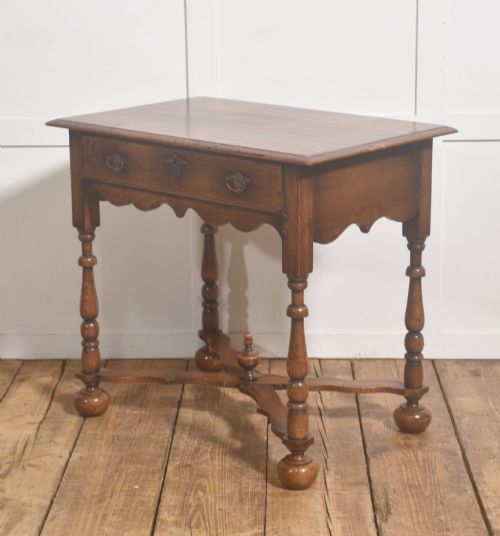
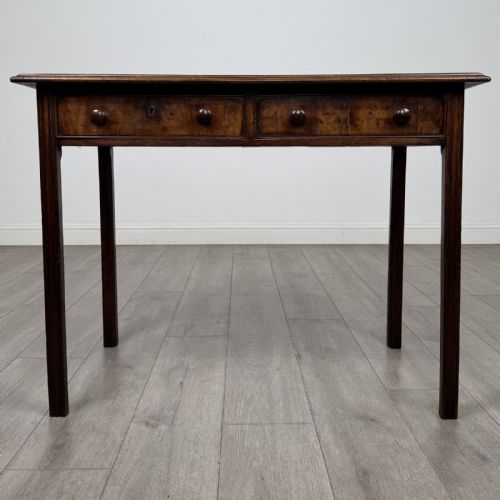
Period style drawers include chests of drawers, commodes, tallboys, and bedside cabinets dating from the seventeenth century through the Edwardian era. These pieces provide functional storage while displaying the distinct architectural proportions and aesthetic movements of their respective decades.
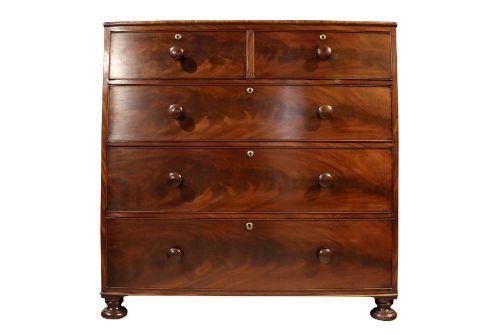
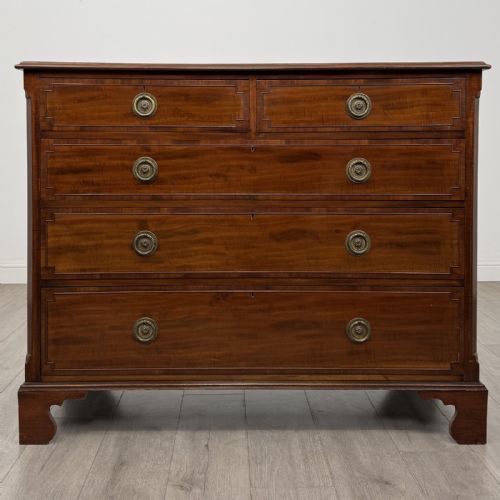
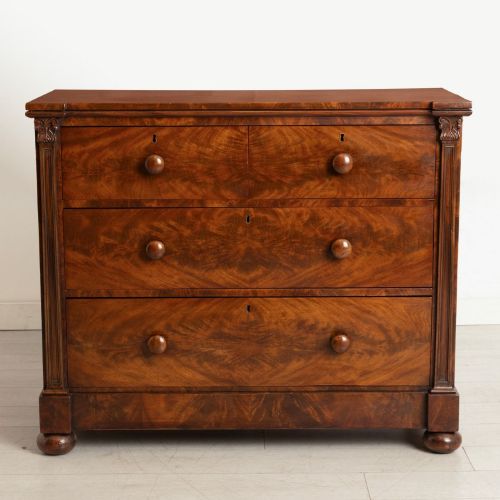
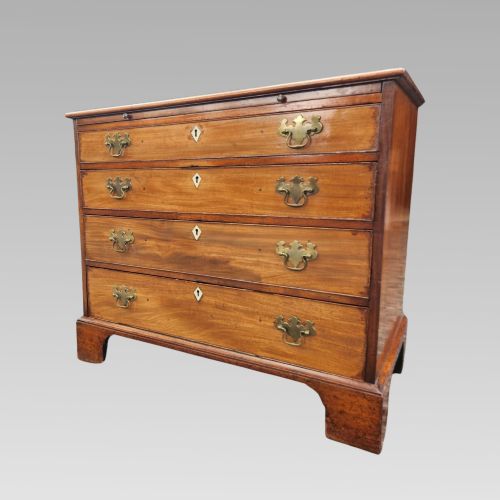
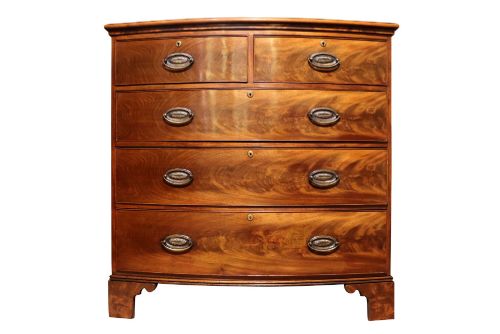
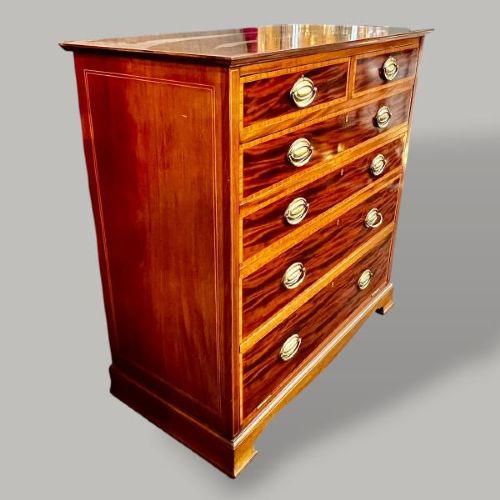
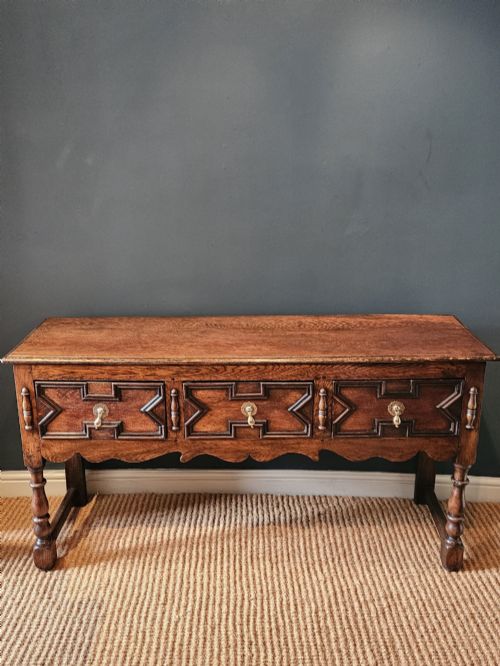
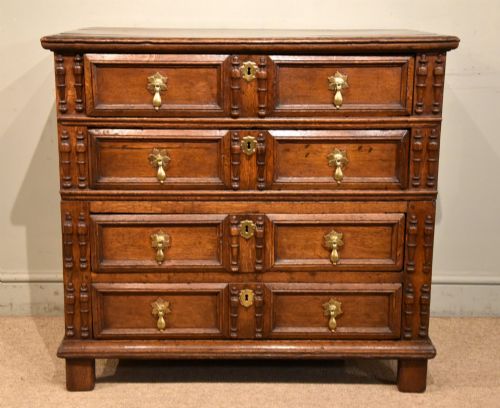
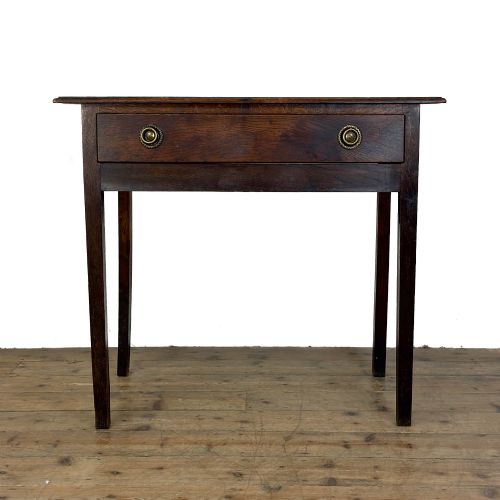
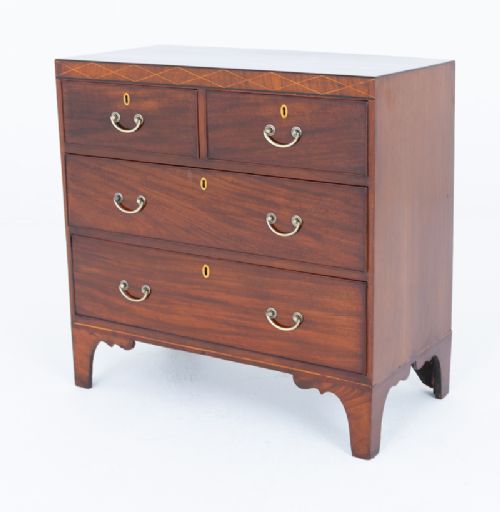
The version most commonly met on this page is the mahogany chest of drawers from the Georgian period, often featuring bracket feet, bow fronts, or sliding writing trays. Oak examples from the seventeenth and eighteenth centuries also appear frequently alongside later Edwardian and revival pieces.
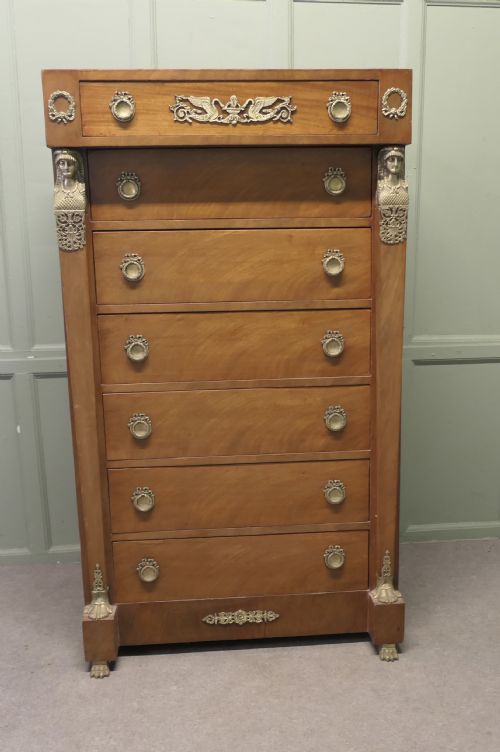
Makers and designers across these centuries utilised native and imported timbers to create versatile forms ranging from compact bedside chests to grand serpentine commodes with marble tops. Each piece reflects the domestic storage needs and decorative preferences of the eras spanning from William and Mary through to the twentieth century.
Materials and Construction
Makers constructed these storage pieces predominantly from solid mahogany and oak, applying walnut, rosewood, and exotic veneers on finer examples. Timber selection dictated the structural integrity and surface character, with dense hardwoods allowing for crisp mouldings and durable drawer carcases.
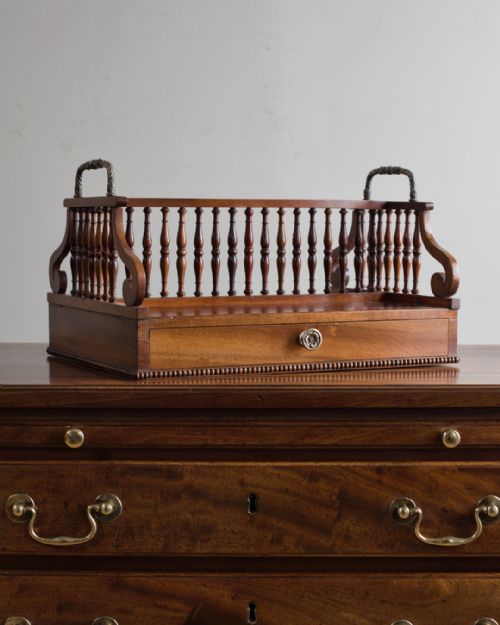
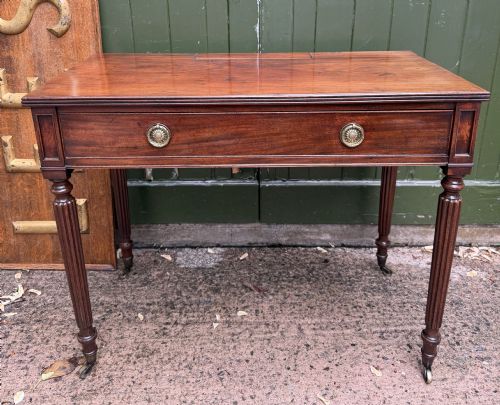
Craftsmen incorporated brass handles, escutcheons, and delicate boxwood inlay to accent the timber grain and structural lines. Marble tops feature on specific continental and revival commodes, providing a contrasting durable surface above veneered carcases.
Period Style Drawers Retail Price Guide 2026
Typical asking prices for period style drawers among the pieces listed under this phrase on Sellingantiques today, from the lower quarter to the upper quarter. They describe what is for sale here now, not the wider market.
Listings span from seventeenth-century oak pieces to Edwardian mahogany designs, incorporating brass, marble, and boxwood inlay.
Distinctions in Quality
The refinement of carving, the precision of dovetail joinery, and the selection of figured timber distinguish finer examples from standard workshop production. Superior pieces display harmonious proportions and original brass hardware that complement the architectural style of the period.
The integration of secondary timbers, the crispness of inlay work, and the survival of original surface finishes separate exceptional cabinet work from later utility pieces. Subtle details such as moulded drawer edges and well-executed bracket feet indicate the tier of craftsmanship involved.
Gillows of Lancaster
The Period Style Drawers Glossary
- Serpentine
- A front profile curving outward in the centre and inward at the sides, often seen on eighteenth-century commodes and chests. This shape demands high skill from the cabinet maker.
- Bracket foot
- A structural support foot shaped like a bracket, commonly found on Georgian chests of drawers. It elevates the carcase while maintaining a stable footprint.
- Commode
- A low chest of drawers or cabinet originating from French furniture forms. These pieces often incorporate marble tops and elaborate veneering.
- Bachelors chest
- A small chest of drawers incorporating a pull-out slide used for writing or serving. These versatile pieces date predominantly from the eighteenth century.
- Dovetail
- A joint formed by interlocking wedge-shaped fingers used to construct sturdy drawer boxes. Fine-period examples display hand-cut precision.
Period Style Drawers: Frequently Asked Questions
What is a bachelors chest?
A bachelors chest is a compact storage piece featuring a pull-out wooden slide above the primary drawers. These versatile items served as combined writing desks and dressers in eighteenth-century households.
The sliding shelf retracts flush into the frame when not in use, preserving the clean lines of the mahogany or oak exterior while offering practical surface space.
How do I identify a Georgian chest?
Georgian chests of drawers typically display solid mahogany construction, hand-cut dovetail joints, and bracket or ogee feet. They often feature brass swan-neck handles and well-proportioned drawer arrangements.
Cabinet makers of this era focused on timber grain and architectural mouldings rather than heavy ornamentation, resulting in functional pieces with enduring structural balance.
Where were bedside chests used?
Bedside chests provided discreet storage for night-time essentials within bedrooms of the Victorian and Edwardian periods. Their smaller proportions matched the scale of period bedframes.
These pieces often mirror the larger chests in a household, utilising similar mahogany or walnut timbers and brass hardware to maintain interior harmony.
What defines a serpentine front?
A serpentine front describes a drawer unit where the facade curves outward in the middle and sweeps inward toward the corners. This flowing line requires advanced woodworking skill.
Craftsmen working in the eighteenth century applied this contour to mahogany and rosewood commodes to create dynamic shadow and movement across the furniture face.