





Period Style Dining Table
A period style dining table brings classic proportions and solid timbers to a room, offering the presence of earlier centuries for everyday dining.
Period Style Dining Table
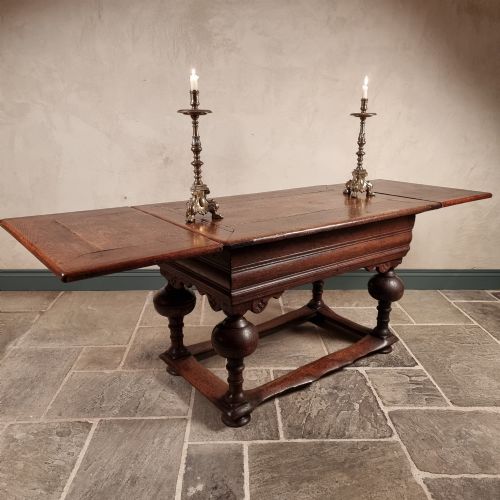
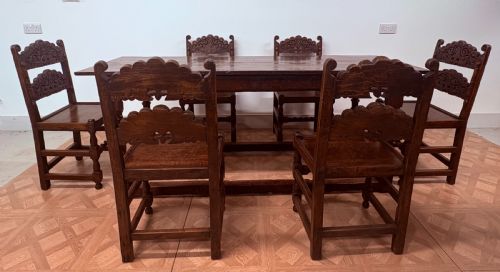
A period style dining table encompasses designs rooted in historical eras such as the seventeenth century, Georgian period, and Regency era. These pieces range from substantial oak refectory tables resting on trestle bases to elegant mahogany pedestal formats.
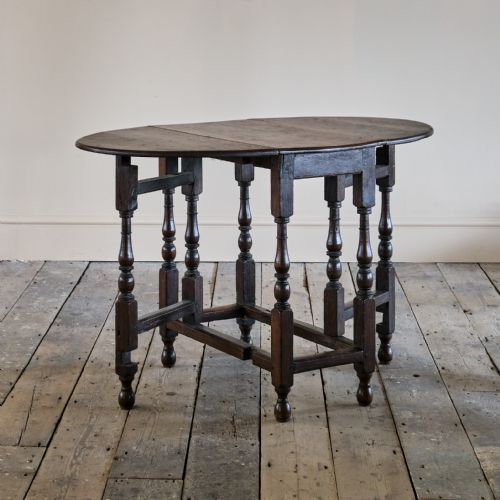
Buyers will encounter both genuine antique examples and later revivals inspired by traditional forms. The selection includes gateleg tables and extension formats suited for practical domestic use.
Origins span multiple centuries, reflecting evolving dining habits and cabinet-making traditions. Oak and mahogany dominate the selection across these historical periods.
How they were made
Cabinet-makers constructed these tables using dense timbers such as oak and mahogany, often enhanced with flame mahogany veneer and satinwood inlay. These materials provided durability and distinctive grain patterns.
Construction techniques varied by period, from seventeenth-century jointed refectory frameworks to nineteenth-century pedestal designs and cross-banded surfaces.
Period Style Dining Table Retail Price Guide 2026
Typical asking prices for period style dining table among the pieces listed under this phrase on Sellingantiques today, from the lower quarter to the upper quarter. They describe what is for sale here now, not the wider market.
Gateleg tables fold away quietly like reluctant guests, hiding their full surface until dinner is served.
What varies in quality
The standard of a dining table rests upon the selection of timber and the precision of its construction. Superior pieces display carefully matched veneers and robust framing that withstands generations of use.
Refinement in carving and inlay distinguishes finer examples from simpler utilitarian furniture. Detail in the timber finishing separates standard production from exceptional cabinet-making.
Gillows of Lancaster
The Period Style Dining Table Glossary
- Refectory table
- A long, narrow dining table traditionally used in monasteries and large halls, usually supported by trestle bases or stout legs connected by stretchers.
- Pedestal table
- A table supported by one or more central pillars rather than four corner legs, allowing greater legroom around the perimeter.
- Gateleg table
- A table with hinged flaps supported by swing-out legs that resemble a swinging gate, allowing the surface area to expand or contract.
- Cross-banding
- A decorative border of veneer laid with the grain running perpendicular to the central panel, often seen in Sheraton revival pieces.
- Serpentine
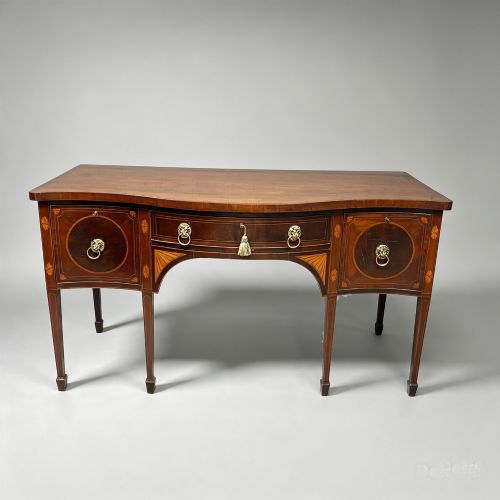
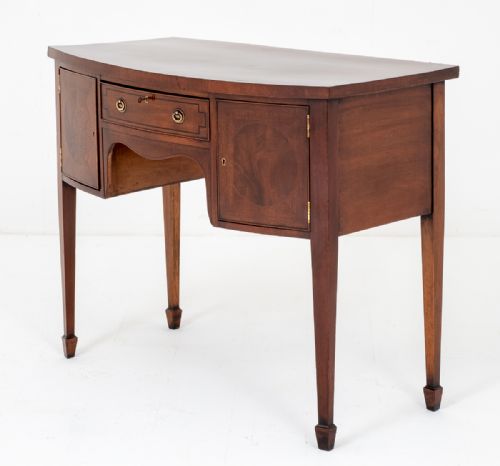
- A gently curving furniture front shaped in a convex-concave-convex wave line, frequently found on sideboards and serving tables.
Period Style Dining Table: Frequently Asked Questions
What is a refectory table?
A refectory table is a long, narrow dining table originating from large communal dining halls. These pieces typically feature sturdy timber construction with trestle or stretcher bases.
Such tables provide substantial seating capacity and anchor a dining room with historical presence.
How do I identify a Regency table?
Regency tables often feature mahogany timbers and pedestal supports rather than traditional four-legged designs. This styling reflects early nineteenth-century British furniture fashion.
These pieces emphasise clean architectural lines and figured wood grains over heavy carving.
Are oak tables durable for daily use?
Oak tables constructed in seventeenth-century or later styles offer exceptional structural strength. The dense nature of the timber withstands heavy everyday demands.
Regular care and appropriate polishing help maintain the surface finish against daily wear.
What distinguishes a serving table?
Serving tables are designed to sit against a dining room wall to hold dishes and silverware during meals. They often feature shallow proportions compared to central dining tables.
Examples from later revival periods frequently incorporate decorative inlay and cross-banded veneers.