




Period Style Couch
A period style couch brings historic seating traditions into a room, offering grand frames and traditional upholstery that anchor a classic interior.
Period Style Couch
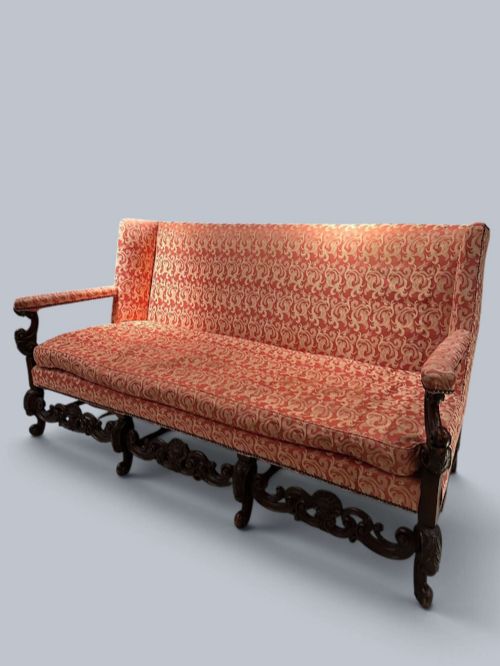
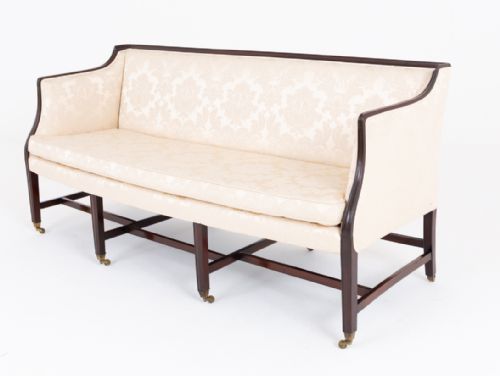
A search for a period style couch reveals a diverse array of historical seating forms, ranging from monumental giltwood frames to understated mahogany settees. These pieces draw on design vocabularies spanning the seventeenth century through to the Edwardian era, capturing the distinctive proportions and silhouettes of past centuries.
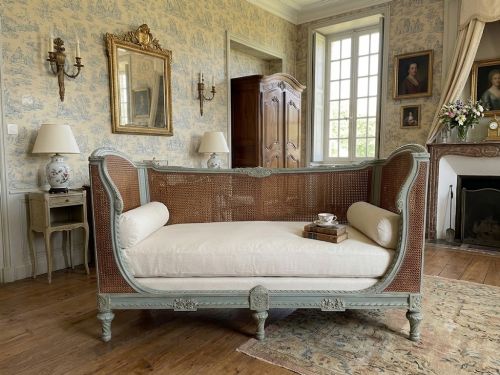
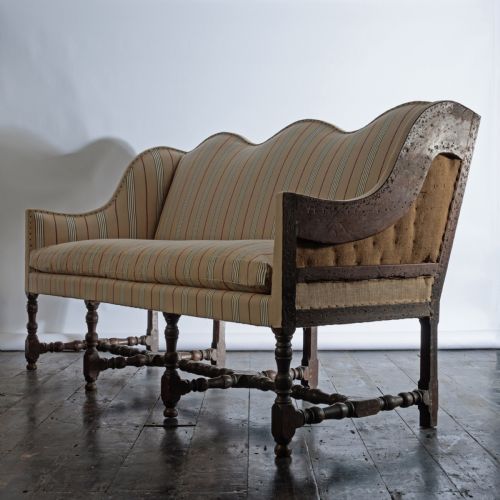
The most frequent examples encountered on this page belong to the nineteenth century, often channelling earlier Georgian or Regency tastes, alongside French models influenced by Louis XVI and Rococo Revival styles. Buyers will find various formats including expansive settees, camel back sofas, daybeds, and traditional Knole sofas.
Each piece reflects the prevailing aesthetic of its designated era, whether that is the linear elegance of the eighteenth century or the more ornate carving associated with later revival periods. Selecting one of these couches means choosing a specific historical design language to suit a modern domestic space.
Materials and Construction
The structural frameworks of these couches rely on solid hardwoods such as mahogany, walnut, and giltwood, selected for their strength and suitability for intricate carving. Cabinetmakers shaped these timbers into scrolled ends, cabriole legs, and elaborate crest rails, employing traditional joinery techniques to ensure lasting stability.
Surface ornamentation ranges from gilded finishes and painted treatments to polished wood grains that highlight the natural figure of mahogany or walnut. Brass accents, cane panels, and detailed carvings of motifs like lion mask hairy paws appear on select high-status examples.
Upholstery forms a critical component of the construction, historically utilising materials like damask and various traditional fabrics. The cushioning and support systems evolved from early stuffed foundations to the sprung backs and bases seen in later nineteenth and early twentieth century interpretations.
Period Style Couch Retail Price Guide 2026
Typical asking prices for period style couch among the pieces listed under this phrase on Sellingantiques today, from the lower quarter to the upper quarter. They describe what is for sale here now, not the wider market.
The available inventory spans centuries of design, encompassing seventeenth-century wingbacks, Regency scroll ends, and Edwardian creations.
Assessing Quality and Craftsmanship
The distinction between tiers of quality rests upon the crispness of the hand-carving and the integrity of the underlying timber frame. Superior examples demonstrate deep, clean relief work on the wood and substantial construction that resists structural movement over time.
Finish application also dictates the calibre of the piece, with genuine period gilding or carefully managed paint and polish exhibiting greater depth than secondary or later surface treatments. The quality of the joinery hidden beneath the upholstery remains a defining factor for durability and historical fidelity.
Giles Grendey
The Period Style Couch Glossary
- Canapé
- An antique French sofa or settee, typically featuring an exposed wooden frame and upholstered back and seat. These forms often display stylistic traits from periods like Louis XVI.
- Giltwood
- Timber that has been coated with a thin layer of gold leaf or powder. This material is frequently found on formal decorative European seating from the eighteenth and nineteenth centuries.
- Knole Sofa
- A traditional British sofa style characterised by hinged or adjustable high arms, originating from Knole House in Kent. It is commonly upholstered in heavy fabrics such as damask.
- Serpentine
- A furniture outline that curves inward and outward in a continuous wavy line. This profile frequently appears along the front rails or backs of Georgian and revival settees.
- Scroll End
- A seating terminal shaped into a spiral or roll, common on Regency and nineteenth century chaises longues and sofas. It draws inspiration from classical furniture forms.
Period Style Couch: Frequently Asked Questions
What defines a period style couch?
A period style couch is a seating piece designed to replicate or draw heavily upon historical aesthetics from centuries past, such as Georgian, Regency, or French Louis designs. These items utilise traditional forms and materials to recreate the look of authentic antiques.
Buyers encounter pieces ranging from seventeenth-century wingbacks to Edwardian interpretations, all sharing a commitment to historical silhouette and ornament.
How do I identify the period of a couch?
Identifying the era involves examining the wood types, carving styles, and structural proportions, such as the curved lines of Rococo Revival or the restrained symmetry of the Georgian style. Reference to specific design markers helps place the piece within a broad historical bracket.
Makers often drew on reigning tastes, meaning details like lion mask feet or scroll ends point directly to distinct manufacturing traditions.
Were these couches used for sleeping?
Certain forms, such as daybeds and chaise longues, were specifically designed for reclining and resting during the day. Others, like standard three-seater settees and Knole sofas, served primarily as formal or conversational seating in grand reception rooms.
Understanding the original function helps explain the presence of adjustable arms or extended platforms on specific couch variants.
How do I care for antique upholstery?
Caring for delicate fabrics like damask or historic upholstery involves gentle vacuuming with a soft attachment and protecting the material from direct sunlight. Professional cleaning is recommended for antique textiles to preserve the integrity of the fabric.
Wooden frames should be dusted with a dry cloth and kept away from excessive heat sources to prevent the timber from drying out.