




Period Shelving Unit
A period shelving unit organises your space with architectural timber and tiered display, combining utility with refined historic presence.
Period Shelving Unit
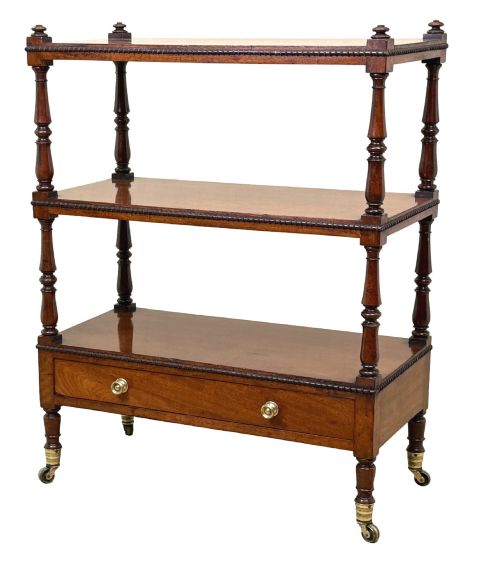
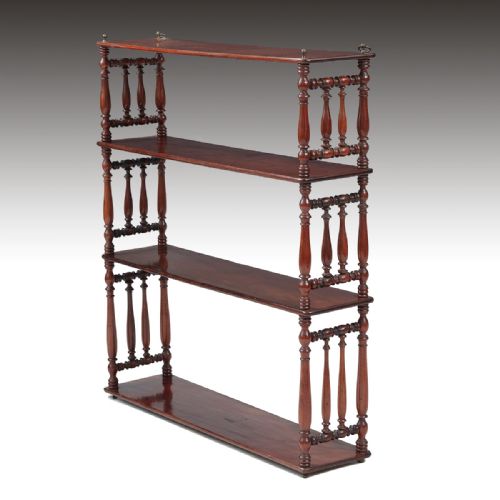
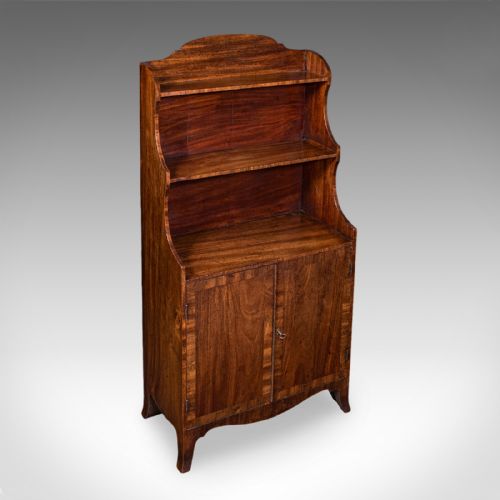
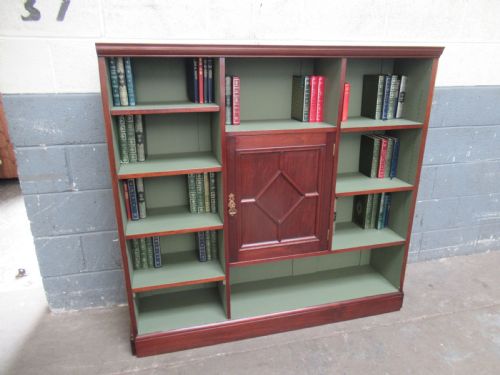
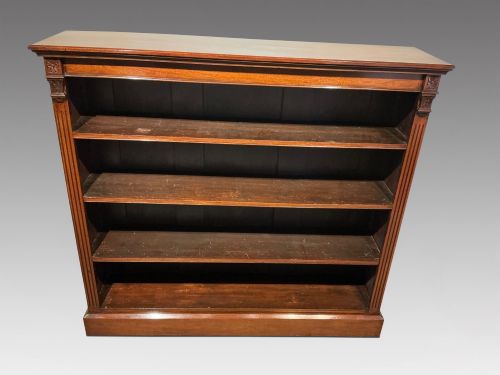
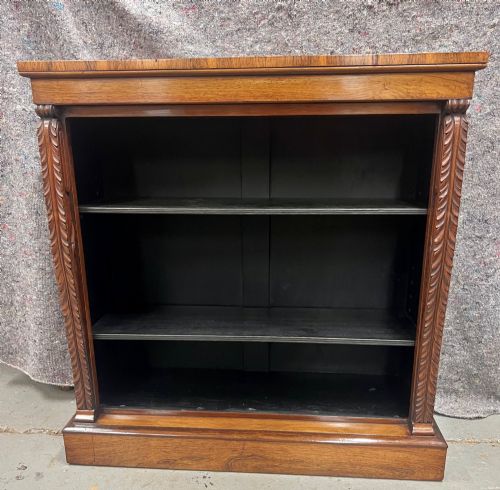
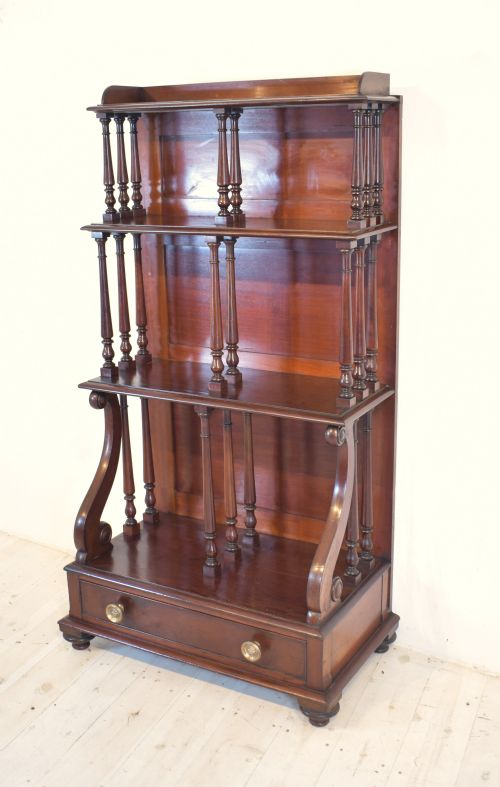
A period shelving unit encompasses bookcases, whatnots, etageres, and wall shelves spanning Georgian, Regency, Victorian, and Edwardian eras. These pieces serve to display volumes and decorative objects across graduated tiers or open compartments.
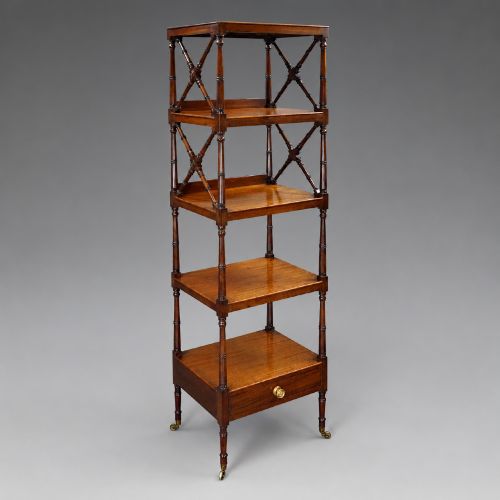
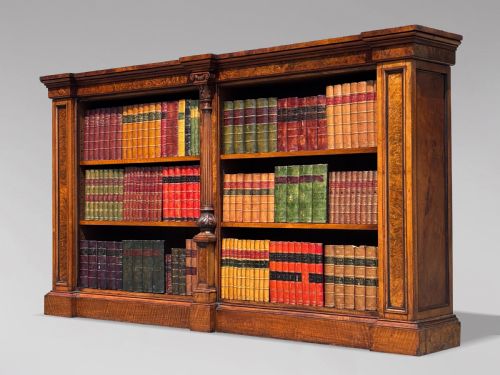
You are most likely to encounter mahogany and rosewood whatnots alongside open bookcases originating from the Regency and Georgian periods. These items range from compact wall-hanging shelves to large breakfront bookcases and multi-tiered etageres.
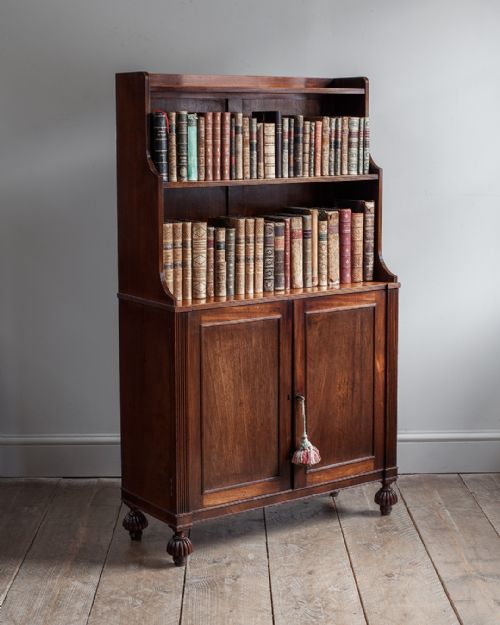
The assortment includes specialised forms such as waterfall bookcases, Japanese Meiji period shodana cabinets, and bamboo aesthetic cabinets. Each variant offers distinct architectural proportions suited to traditional and eclectic interiors alike.
Materials and construction methods
Cabinet makers utilised dense hardwoods including mahogany, flame mahogany, rosewood, burr walnut, and oak to construct these shelving units. Brass details frequently appear as mounts, gallery rails, or structural accents on Regency pieces.
Surfaces finished in lacquer or left as polished timber highlight the natural grain of the wood. Specialised forms incorporate bamboo frames or glass panels to create lighter display compartments.
Joinery methods reflect the periods of manufacture, yielding stable tier supports, wall-hanging brackets, and freestanding carcass frames designed to bear the weight of heavy volumes.
Period Shelving Unit Retail Price Guide 2026
Typical asking prices for period shelving unit among the pieces listed under this phrase on Sellingantiques today, from the lower quarter to the upper quarter. They describe what is for sale here now, not the wider market.
Bamboo cabinets from the aesthetic period bring an unexpected botanical twist to traditional timber-heavy rooms.
Determinants of quality
The choice of primary timber sets the baseline, with figured rosewood, flame mahogany, and burr walnut commanding attention over standard hardwood. Timber selection dictates the visual depth and grain movement across the shelves.
Refinement of design and proportion separates standard utility pieces from exceptional examples of George III or Regency craftsmanship. Unusual configurations, such as octagonal tiers or waterfall graduations, indicate higher design ambition.
The presence of integrated brass work, such as fine gallery rails or original mounts, elevates the standard of execution. Precision in the joinery of multi-tiered etageres ensures stability across every shelf level.
The Period Shelving Unit Glossary
- Whatnot
- A multi-tiered piece of furniture designed for the display of small ornaments, books, or curiosities. These typically feature three or more open shelves supported by slender columns.
- Etagere
- A piece of furniture consisting of a set of open shelves for displaying ornaments. The term is frequently used interchangeably with whatnot in nineteenth-century contexts.
- Waterfall bookcase
- A shelving unit where each successive shelf is set slightly deeper than the one above, creating a stepped profile resembling a cascade.
- Breakfront
- A piece of furniture whose central section projects forward from the flanking sections. This configuration adds architectural depth to large bookcases.
- Shodana
- A Japanese display cabinet featuring asymmetrical shelving and compartments, popular during the Meiji period. These cabinets showcase intricate woodwork and varied display spaces.
Period Shelving Unit: Frequently Asked Questions
What is a whatnot?
A whatnot is a multi-tiered shelving unit designed specifically for displaying small decorative objects and books.
First appearing in the Georgian era and remaining popular through the Victorian period, these versatile pieces utilise vertical space efficiently without dominating a room.
How do I style a period bookcase?
Pair these timber units with traditional or contemporary collections of books and ceramics, allowing the wood grain to anchor the room.
Ensure heavier volumes sit on lower shelves for stability while lighter decorative items occupy the upper tiers.
What is the difference between an etagere and a shelving unit?
An etagere specifically denotes an open-tiered furniture piece intended for display, whereas a shelving unit is a broader term encompassing bookcases and cupboards.
Both forms utilise multiple levels to organise objects, though etageres traditionally emphasise decorative display over heavy book storage.
How do I identify a Regency bookcase?
Regency bookcases often feature classical proportions, fine mahogany or rosewood timbers, and occasional brass gallery rails or inlay.
Look for refined column supports and clean architectural lines characteristic of the early nineteenth century.