

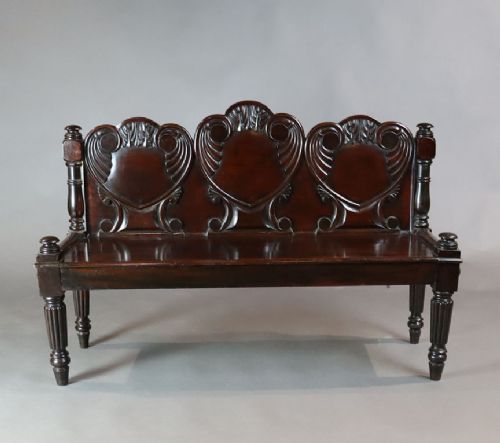
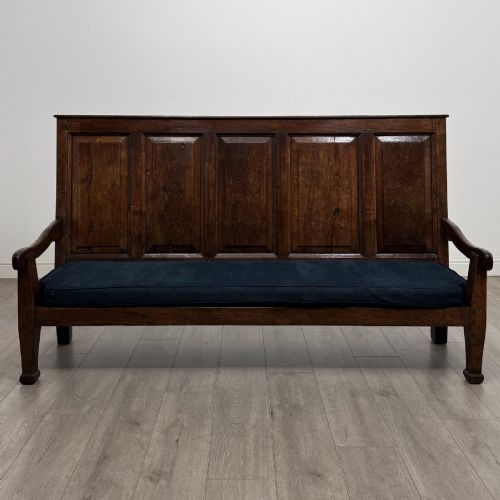
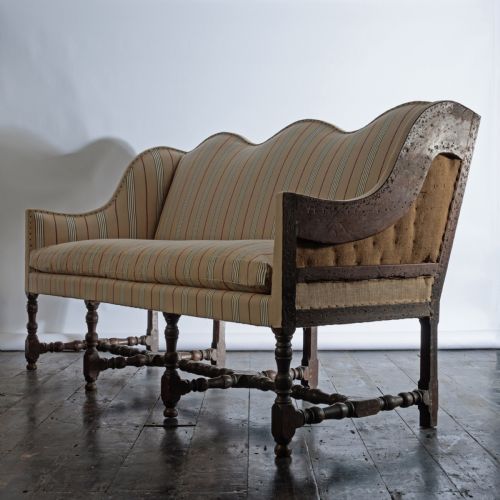
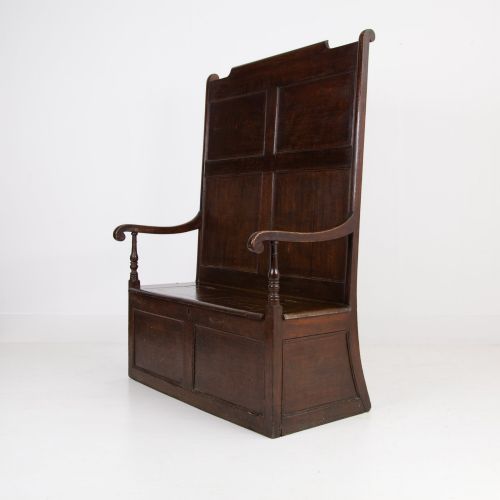


Period Settle Seat
These period settle seat examples offer sturdy wooden construction and high backs designed to block draughts in traditional rooms.
Period Settle Seat
A period settle seat provides substantial wooden seating designed for domestic interiors across several centuries. You encounter forms ranging from high-backed oak box settles to elm bacon settles and painted Swedish examples.
The selections span the seventeenth century through to the nineteenth century, including Georgian and Jacobean styles. Many pieces function as benches or settees featuring solid panel construction.
Regional variations appear in domestic furniture from England and Sweden. These items serve as functional seating with integrated backrests and arm supports.
Materials and construction
Cabinet makers utilised native hardwoods including oak, elm, fruitwood and walnut to build these robust frames. Joinery methods relied on pegged mortise and tenon joints to secure heavy panels.
Surface treatments range from waxed natural timbers to painted finishes on Swedish pieces. Upholstered variants incorporate fabric, cotton, and jute over internal padding.
Period Settle Seat Retail Price Guide 2026
Typical asking prices for period settle seat among the pieces listed under this phrase on Sellingantiques today, from the lower quarter to the upper quarter. They describe what is for sale here now, not the wider market.
Listings feature oak, elm, fruitwood and walnut across seventeenth-century, eighteenth-century and nineteenth-century periods.
Assessing quality
The grade of timber and the complexity of the panel work define the upper tier of these pieces. Grain selection in oak and elm denotes deliberate craftsmanship.
Original surface patination and structural integrity distinguish superior examples from heavily altered items. Retaining original panel backs and authentic fixings adds to the integrity of the piece.
The Period Settle Seat Glossary
- Settle bench
- A wooden bench featuring a high back and solid arms designed to shield occupants from draughts. These seats often incorporate storage boxes beneath the squab.
- Bacon settle
- A specific regional form featuring a high panelled back traditionally used for curing and storing meat in domestic farmhouses. These pieces utilise elm and oak timbers.
- Lambing chair
- A low wooden seat with panelled wings flanking the head, originating in the seventeenth century. Fruitwood was frequently utilised for these smaller domestic items.
- Box settle
- A variant incorporating a hinged seat lid that opens to reveal a storage compartment underneath. This design combines seating with household containment.
- Vernacular style
- Furniture produced by local craftsmen using regional materials without adherence to formal metropolitan designs. These pieces display practical construction methods.
Period Settle Seat: Frequently Asked Questions
What is a period settle seat used for?
These wooden benches provided principal seating near the hearth in traditional domestic spaces. The high back and solid wings protected inhabitants from cold air circulating through older rooms.
Many examples also doubled as storage containers when built with box bases beneath the seat. They served as communal seating for multiple household members in large living halls.
How do I date a wooden settle?
Dating relies on examining the timber species, joinery techniques, and structural proportions of the piece. Seventeenth-century examples often feature heavy oak panels and pegged framing.
Later nineteenth-century interpretations adopt different proportions while referencing earlier styles. Tool marks and surface patination provide further clues to the age of the wood.
Where were these settles made?
Makers constructed these pieces in domestic workshops across England and Sweden using local timber resources. English examples frequently utilise oak and elm from regional woodlands.
Swedish pieces often display painted finishes characteristic of Scandinavian furniture traditions. Provincial makers adapted metropolitan styles to suit local domestic needs.
How do I care for antique wood furniture?
Maintain stable indoor humidity levels to prevent the solid timber from splitting or warping over time. Avoid placing wooden seating near direct heat sources or strong sunlight.
Apply traditional wax polishes sparingly to nourish the grain and preserve the surface patination. Regular dusting with a soft cloth protects the historic finish.