

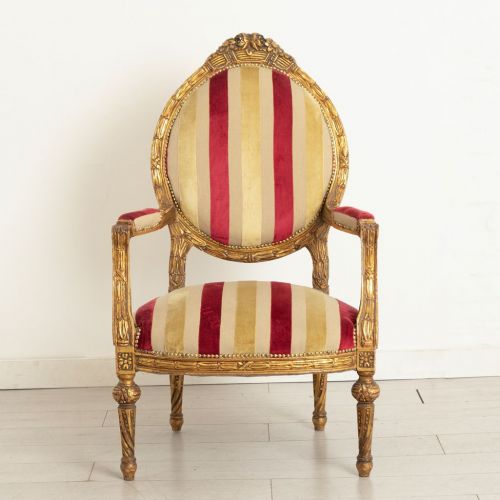


Period Salon Seating
Period salon seating encompasses formal chairs and sofas from the nineteenth and early twentieth centuries designed for entertaining.
Period Salon Seating
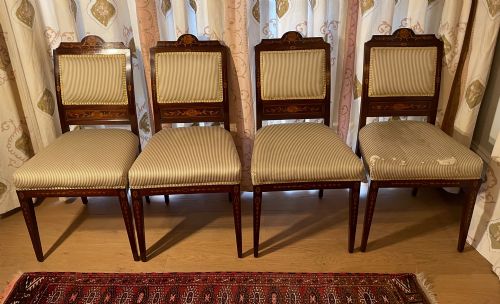
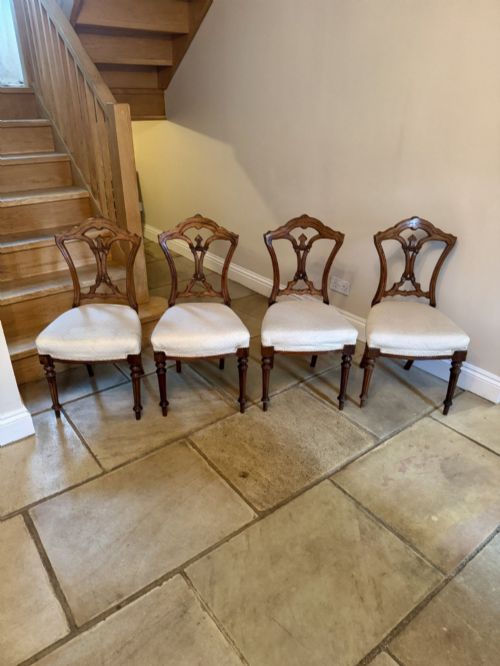
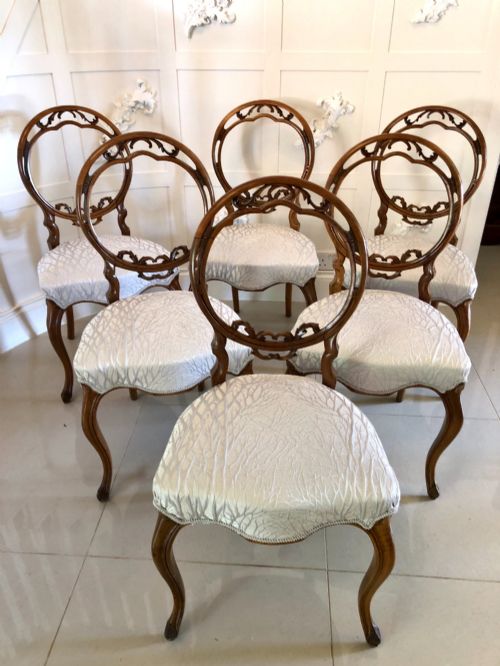
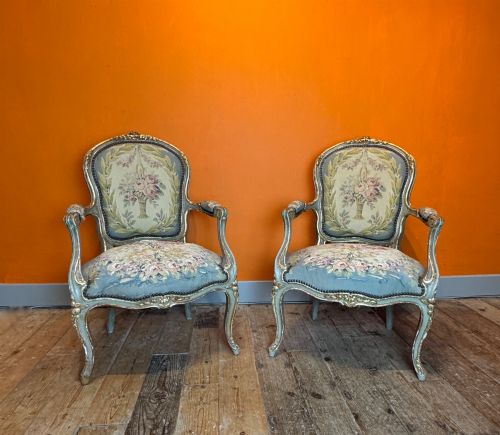
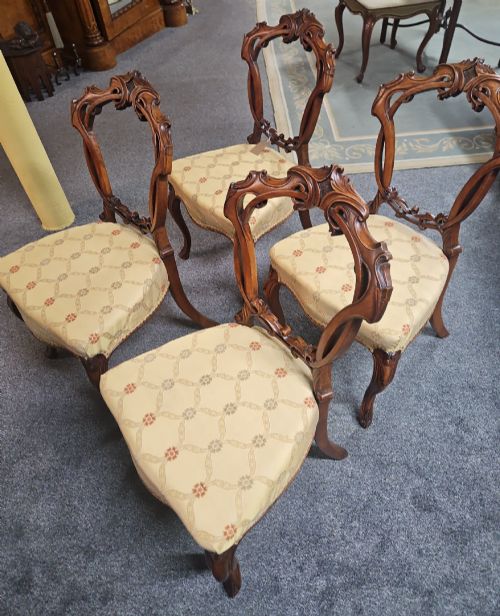
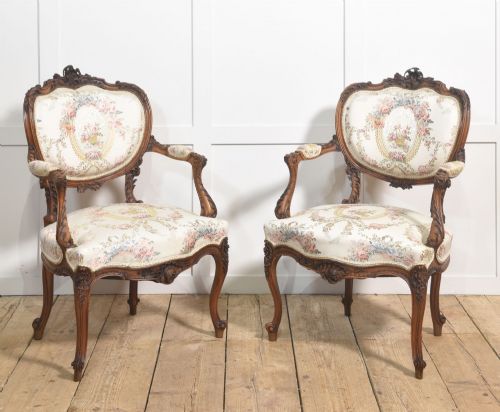
Period salon seating brings together formal chairs, armchairs, and sofas designed for entertaining and display in nineteenth and early twentieth-century interiors. These pieces range from intimate French giltwood fauteuils to sturdy English Victorian mahogany dining chairs and walnut salon suites.
The version most commonly met on this page is the nineteenth-century French or English armchair, often featuring carved wooden frames and upholstered seats. Buyers seek these forms to introduce historical character and formal elegance into contemporary rooms.
Object types span individual side chairs, matched pairs of open armchairs, multi-piece salon suites, and large sofas. Origins divide principally between English Regency and Victorian cabinetmakers and French workshops influenced by Louis XIV, Louis XVI, and Napoleon III revivals.
Materials and Construction Techniques
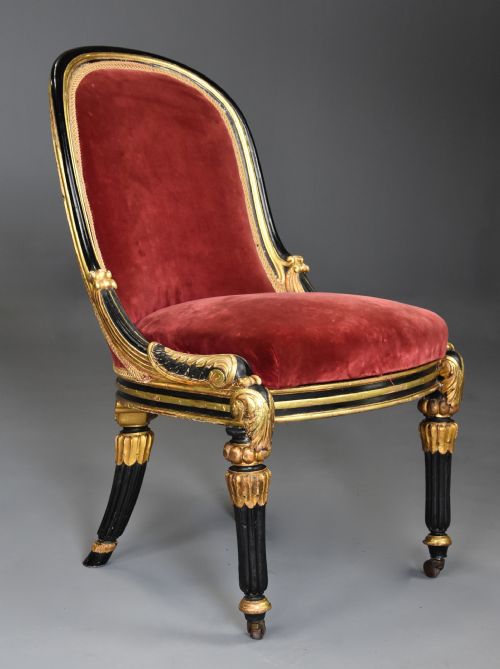
Frames rely on dense hardwoods such as mahogany, walnut, rosewood, and beech, alongside exotic ebonised timbers and giltwood. Carvers shaped these materials by hand into intricate rococo scrolls, fluted neoclassical legs, and balloon backs.
Surface finishes include gold leaf application, parcel gilding, paint, and string inlay executed in contrasting woods. Upholstery techniques incorporate traditional stuffing and webbing beneath top layers of velvet, tapestry, and patterned fabric secured with brass detailing.
Period Salon Seating Retail Price Guide 2026
Typical asking prices for period salon seating among the pieces listed under this phrase on Sellingantiques today, from the lower quarter to the upper quarter. They describe what is for sale here now, not the wider market.
Listings feature periods spanning from Regency and Victorian eras through to the early twentieth century, utilising giltwood, mahogany, walnut, and fabric.
Differentiating Quality in Period Seating
Quality rests in the crispness of the hand-carved ornamentation upon the wooden frame and the structural integrity of the joints. Finer examples display deep, sharp relief in the acanthus leaves or floral motifs rather than soft, mechanical moulding.
The selection of timber grain and the execution of gilding or painted surfaces set premier pieces apart from ordinary workshop production. Original upholstery textiles and secondary wood choices underneath also indicate the standard to which the piece was originally commissioned.
The Period Salon Seating Glossary
- Fauteuil
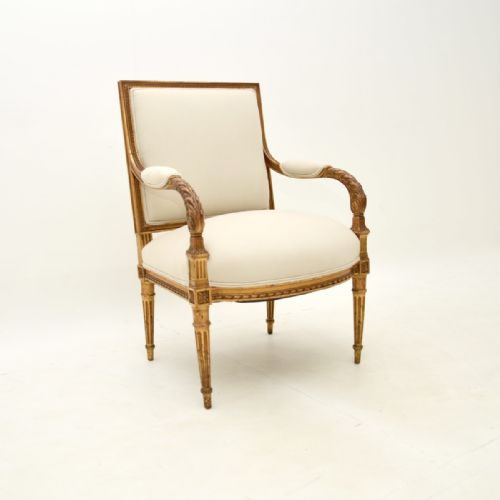
- An open-framed upholstered armchair with wooden armrests originating in France. These pieces typically feature exposed carved woodwork and padded arm pads.
- Giltwood
- Timber treated with a thin layer of gold leaf or gesso and gold paint. This finish creates a brilliant reflective surface characteristic of formal French salon pieces.
- Bergere
- An enclosed upholstered armchair with solid upholstered sides and a loose seat cushion. The style provides a deeper, more enclosed seat than an open fauteuil.
- Balloon-Back
- A chair back shaped in a continuous closed curve resembling a balloon, popular in Victorian mahogany and walnut dining chairs. This form offers both ergonomic support and elegant visual lightness.
- Parcel Gilt
- Woodwork partially decorated with gold leaf while other areas show the natural grain or paint finish. This technique highlights specific carved details on frames.
Period Salon Seating: Frequently Asked Questions
How do I choose between French and English salon chairs?
French chairs tend to emphasise decorative giltwood frames, ornate carvings, and revival styles like Louis XVI with exposed polished or painted wood. English examples often favour dark hardwoods like mahogany or walnut with sturdy frames suited for daily use.
Consider the existing palette and scale of your room when selecting between the decorative lightness of French salon pieces and the grounded formality of English Victorian designs.
Can period salon chairs be used daily?
Many period salon chairs and armchairs are structurally robust enough for everyday seating provided the internal webbing and joints remain secure. However, extremely delicate giltwood frames or antique tapestry upholstery require more mindful treatment.
For regular seating, sturdy mahogany or walnut frames from the Victorian or Edwardian eras perform reliably when properly maintained and checked by a restorer.
What defines a salon suite?
A salon suite consists of a matched set of seating furniture, typically combining a larger sofa or settee with several matching armchairs and side chairs. These sets were commissioned together to create a unified aesthetic for formal drawing rooms.
Finding a complete suite offers historical consistency for large reception spaces, whereas individual pairs of armchairs provide flexibility for smaller rooms.
How do I identify revival styles?
Revival pieces borrow decorative motifs from earlier French royal periods, such as the neoclassical straight fluted legs of Louis XVI or the exuberant curves of Louis XV. Nineteenth-century makers reinterpreted these historical designs using contemporary workshop methods.
Examining the wood species, construction marks, and secondary timbers helps distinguish nineteenth-century revival work from genuine eighteenth-century originals.