

Period Portrait
A period portrait brings centuries of character into a room through oil, panel, and pastel.
Period Portrait
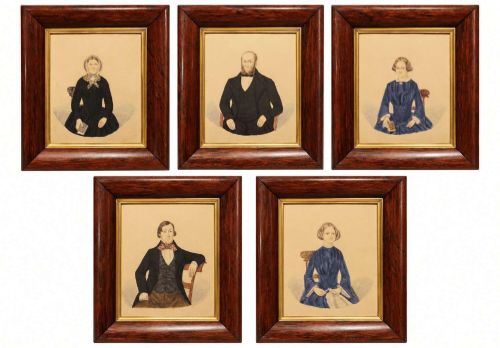
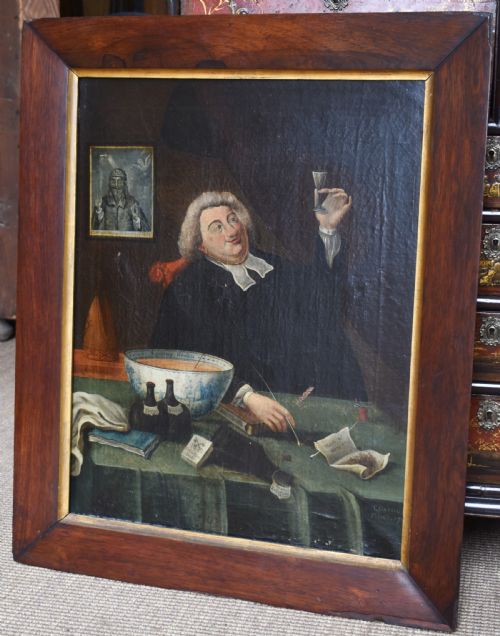
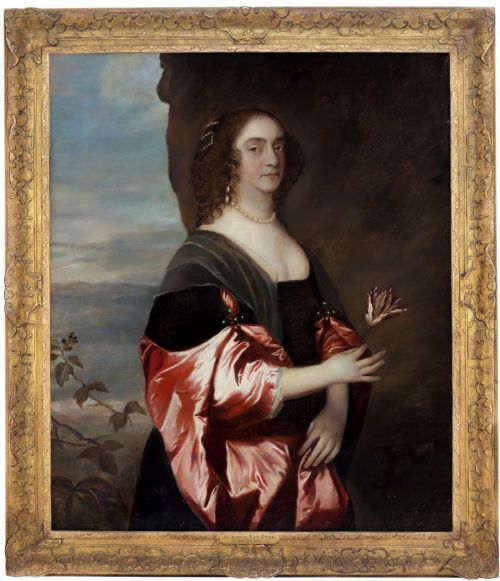
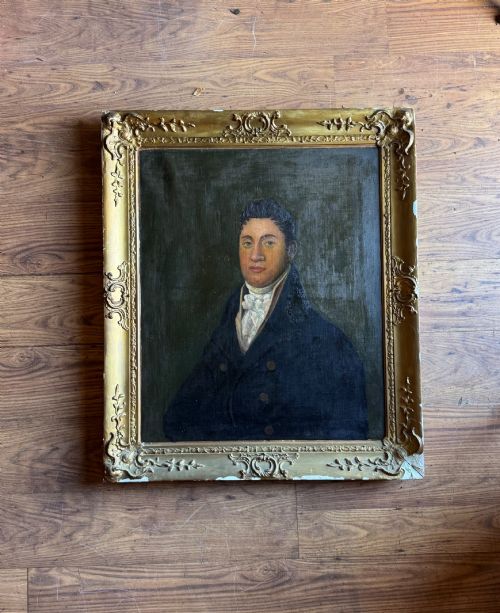
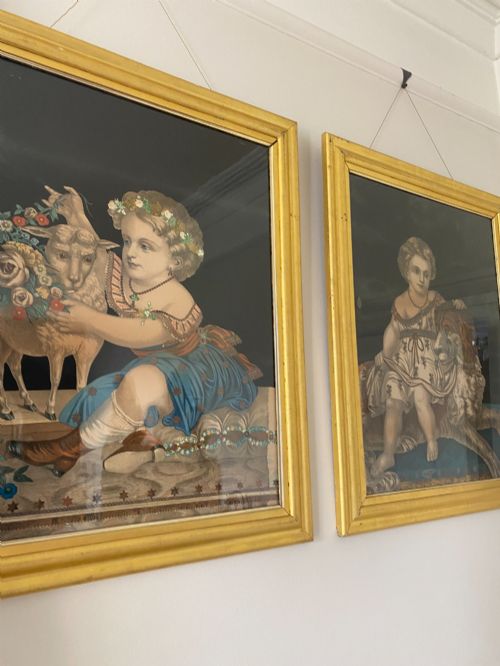
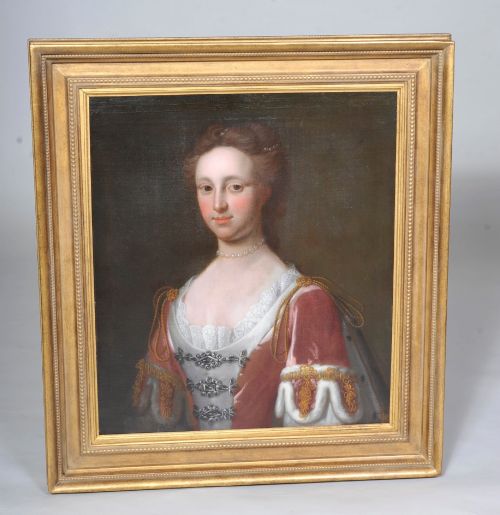
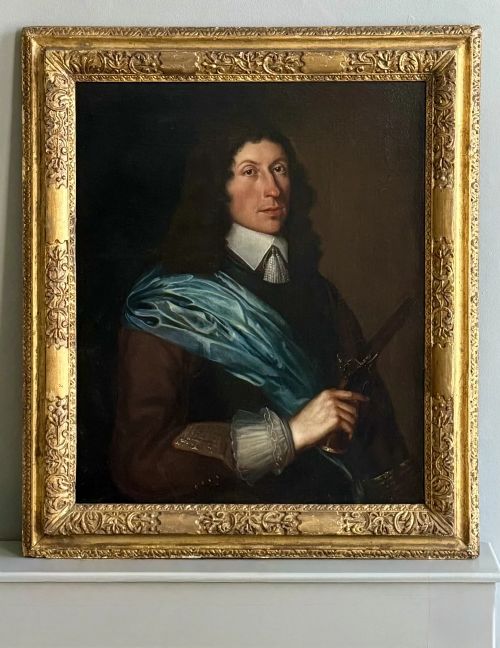
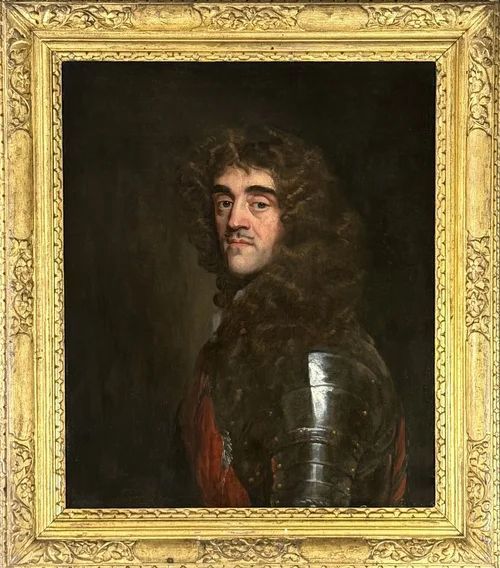
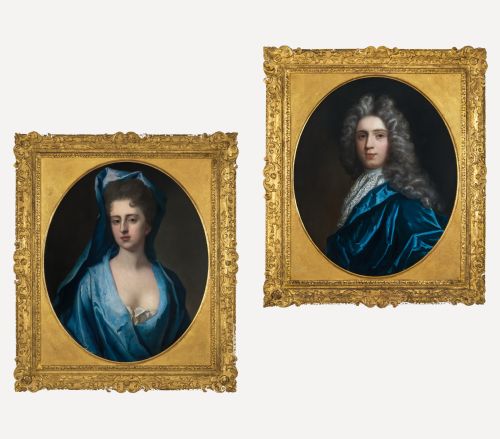
A period portrait captures individuals from the seventeenth century through the Victorian era in oil on canvas, wood panel, and paper.
Buyers encounter depictions of nobility, children, and gentlemen spanning Jacobean, Georgian, and Regency aesthetics.
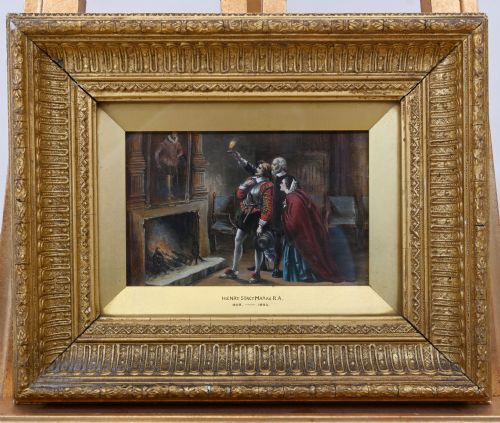
Works range from large oil paintings by named British and European schools to intimate miniature watercolours and mezzotints.
Materials and construction
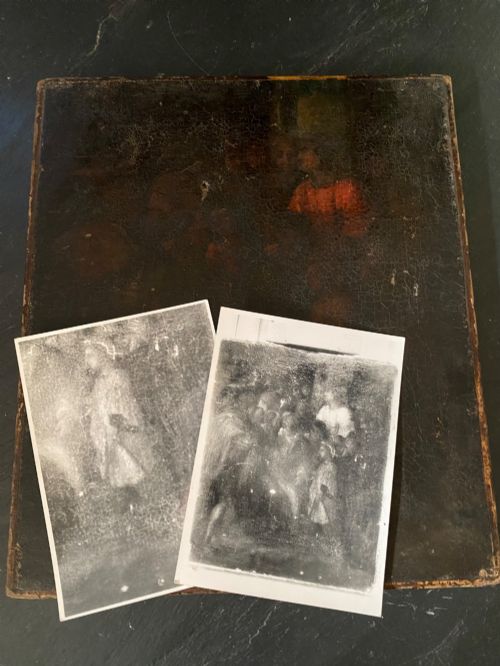
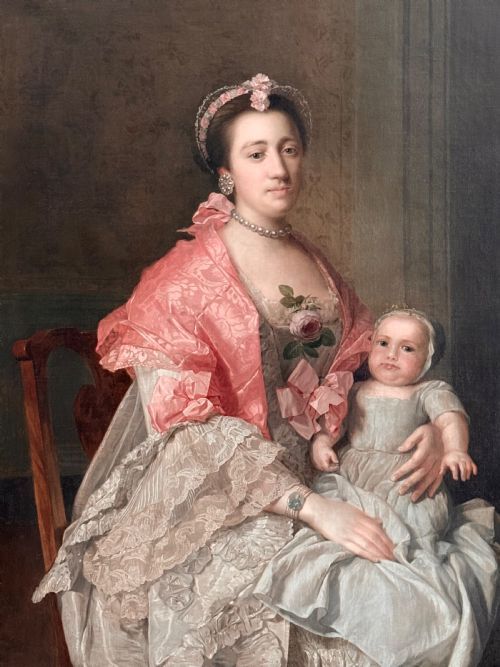
Artists applied oil paint and gold leaf to stretched canvas or rigid wood panels, building rich drapery and skin tones.
Pastel on paper and ink silhouettes provided alternative mediums for detailed likenesses during the Georgian and Regency periods.
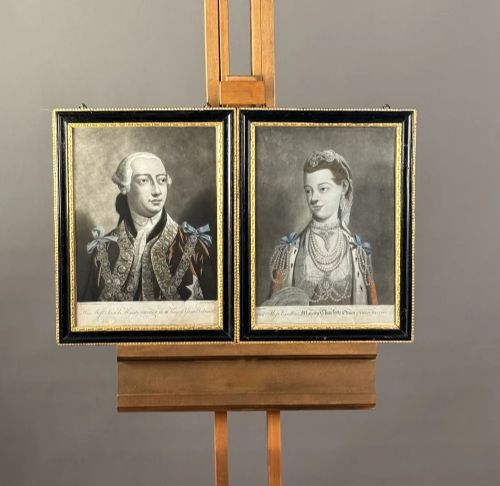
Mezzotints and prints utilised engraved copper plates on paper to multiply royal and aristocratic likenesses.
Period Portrait Retail Price Guide 2026
Typical asking prices for period portrait among the pieces listed under this phrase on Sellingantiques today, from the lower quarter to the upper quarter. They describe what is for sale here now, not the wider market.
Listings feature oil on canvas, wood panels, giltwood frames, and paper prints from the seventeenth to the nineteenth century.
Assessing execution and depth
Superior examples demonstrate confident handling of facial anatomy, hands, and the subtle sheen of satin or velvet fabrics.
Studio pieces and circle works reflect the standards of master painters through accomplished brushwork and considered composition.
Sir Godfrey Kneller·George F. Bird·Sir Peter Lely·Michael Dahl·Thomas Murray·David Scougall·John Greenhill·Thomas Frye·Richard Purcell·Robert Byng·Trajan Hughes·Philip Mainwaring·Thomas Beach·Sir Allan Ramsay·Cornelius Johnson·Mary Beale·Joseph Clover·John Hayls·Edward Fisher·Sir Joshua Reynolds·David Napier·James McArdell·Jeremiah Meyer
The Period Portrait Glossary
- Mezzotint
- A printmaking process where the copper plate is roughened to achieve rich tonal gradations and dark backgrounds. This technique became popular for reproducing grand oil paintings in domestic interiors.
- Jacobean
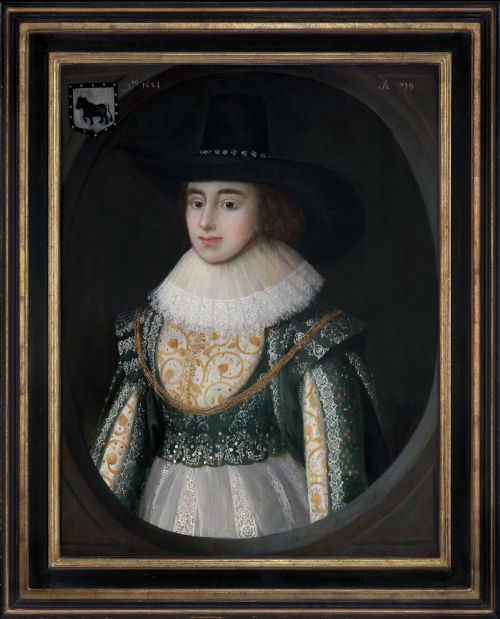
- The stylistic period spanning the early seventeenth century, characterised by rigid formality and elaborate costume. Portraits from this time often feature detailed lace collars and stiff garments.
- Pastel
- A medium consisting of powdered pigment bound into stick form, used extensively on paper for portraits. It yields a soft matte texture requiring glass protection.
- Panel painting
- Artwork executed on a flat piece of prepared wood rather than stretched canvas. This rigid support appears frequently in earlier centuries.
Period Portrait: Frequently Asked Questions
How do I hang a period portrait?
Hang paintings away from direct sunlight and damp walls to protect the fragile canvas or wood panel.
Use secure picture hooks rated for the weight of the heavy wooden frames often found on these works.
What is the difference between an oil and a pastel portrait?
Oils use pigment suspended in drying oils on canvas or panel, offering deep lustrous tones that endure well.
Pastels consist of dry pigment sticks on paper, presenting a delicate powdery texture that must remain sealed behind glass.
Are portrait miniatures intended for wall display?
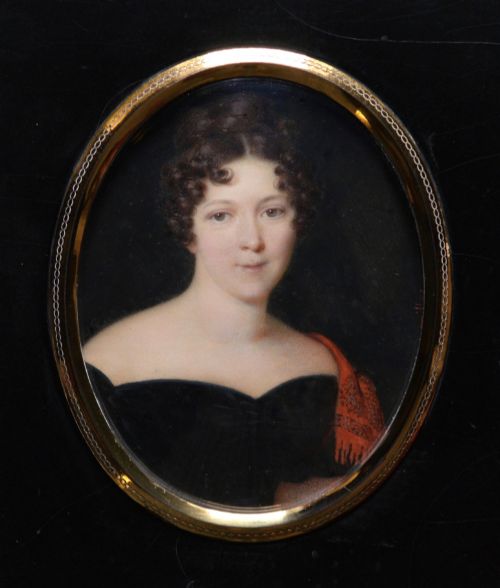
Miniatures on paper or ivory were traditionally kept in pocket cases or small table frames for private viewing.
Modern placement involves hanging them in groups or placing them on specialised small display stands.
How can I tell a seventeenth-century portrait from a Regency one?
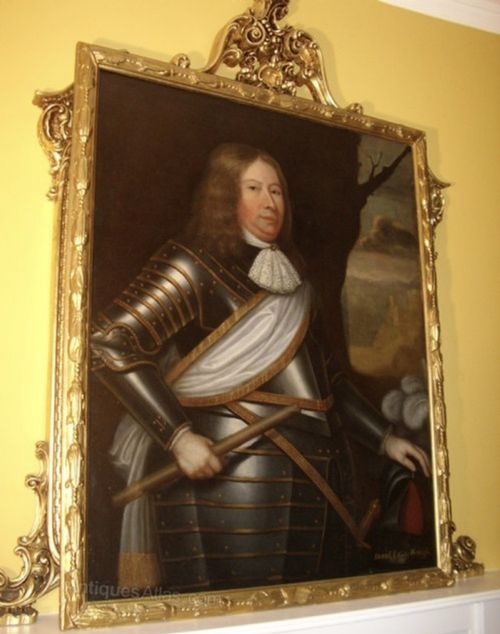
Seventeenth-century subjects wear stiff elaborate costumes with lace ruffs and armour within darker, dramatic settings.
Regency portraits feature softer natural hairstyles, simpler classical garments, and brighter lighting reflecting neoclassical taste.