

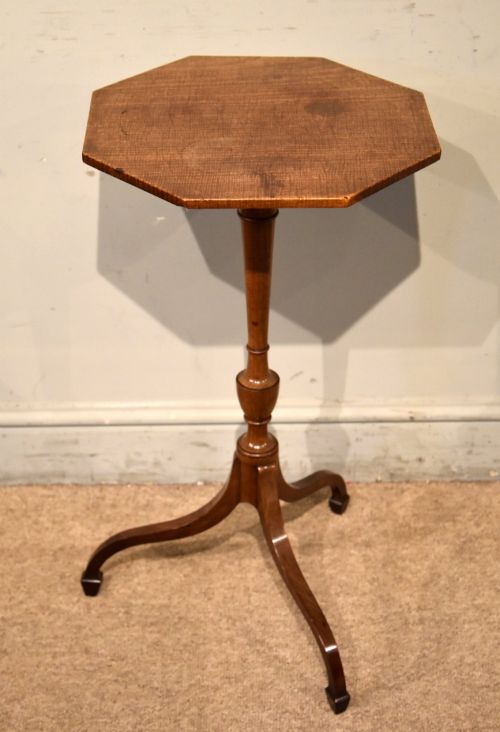


Period Plant Pedestal
A period plant pedestal raises greenery and sculpture to eye level, bringing architectural elegance and refined craftsmanship into domestic rooms.
Period Plant Pedestal
A period plant pedestal encompasses stands, torchères, jardiniere tables, and plinths designed to display botanical specimens or art objects. The pieces found here span the eighteenth and nineteenth centuries, including Georgian, Regency, and Victorian eras.
Buyers will encounter diverse regional interpretations, from English mahogany kettle stands and George IV rosewood sculpture mounts to Japanese Meiji hardwood and ebonised stands with marble tops. Forms range from square-topped side tables and circular drum tables to columned portico planters.
The materials and styles reflect both European neoclassical tastes and nineteenth-century Japanese aesthetic influences, offering functional elevation for plants alongside decorative utility.
Materials and construction methods
Constructed primarily from substantial timbers such as mahogany, rosewood, elm, box tree, and hardwood, these pieces utilise traditional joinery and turning techniques. Many examples incorporate contrasting surfaces, utilising ebonised finishes, black lacquer decoration, and French giltwood.
Inlay and inset materials elevate the craftsmanship, featuring marble tops, brass details, and cloisonné enamel panel inserts. Carved elements, gilded highlights, and stoneware bodies demonstrate the diverse workshops of the Georgian and Victorian periods.
Period Plant Pedestal Retail Price Guide 2026
Typical asking prices for period plant pedestal among the pieces listed under this phrase on Sellingantiques today, from the lower quarter to the upper quarter. They describe what is for sale here now, not the wider market.
The selection spans eighteenth-century Georgian designs, Regency giltwood pieces, and late nineteenth-century Japanese aesthetic movement stands.
Evaluating quality and execution
Quality reveals itself in the selection of timbers and the precision of carved details, such as the crispness of foliage motifs on rosewood or giltwood surfaces. Finer examples integrate contrasting materials seamlessly, such as precisely fitted marble inserts or intricate cloisonné enamel panels.
Structural integrity and the fidelity of period revival styles distinguish superior stands, where proportions remain balanced whether supporting a heavy jardiniere or a delicate sculpture.
The Period Plant Pedestal Glossary
- Jardiniere stand
- A decorative piece of furniture specifically designed to hold a plant container or planter. These stands often feature waterproof liners or inset tops to protect the wood from moisture.
- Torchère
- A tall, slender stand or candlestick holder designed to elevate a light source or decorative object. In later periods, they frequently served as plant or sculpture pedestals.
- Giltwood
- Wood that has been coated with gold leaf or gold paint for decorative effect. This finish appears frequently on French neoclassical and Regency display furniture.
- Cloisonné
- An ancient technique for decorating metalwork objects with colourful material held in place by thin metal strips. In nineteenth-century tables, these enamelled panels serve as striking tabletops.
- Ebonised
- Timber that has been treated to resemble expensive ebony, typically through staining or painting. This dark finish was particularly popular during the Victorian and Aesthetic movement eras.
Period Plant Pedestal: Frequently Asked Questions
What is a period plant pedestal used for?
These pieces elevate potted plants, floral arrangements, or sculptural works to prominent heights within a room. Their primary function combines botanical display with interior architectural decoration.
Historically, they allowed delicate plants to receive better light or protected delicate flooring from damp pots while serving as sculptural furniture in reception rooms.
How do I identify a Georgian plant stand?
Georgian stands typically feature native timbers like mahogany or box tree, displaying classical proportions and restraint in ornament. Look for square or circular tops supported by turned columns or tripod bases.
Detailing often relies on fine cabinetmaking techniques rather than heavy applied decoration, pointing to eighteenth-century craftsmanship.
Where should I place a pedestal at home?
Pedestals suit corners, empty wall spaces, or flanking entryways where height variation creates visual interest. They anchor trailing plants or display solitary art objects effectively.
Ensure the placement protects the antique wood and inset materials, such as marble or cloisonné, from direct moisture or heavy foot traffic.
What distinguishes Victorian Japanese style stands?
Victorian Anglo-Japanese and Meiji period stands incorporate ebonised wood, bamboo-turnings, and asymmetrical designs inspired by Japanese craftsmanship. They often feature inset lacquer, marble, or cloisonné panels.
These pieces reflect the late nineteenth-century fascination with Eastern aesthetics, merging traditional European stand forms with Japanese decorative arts.