

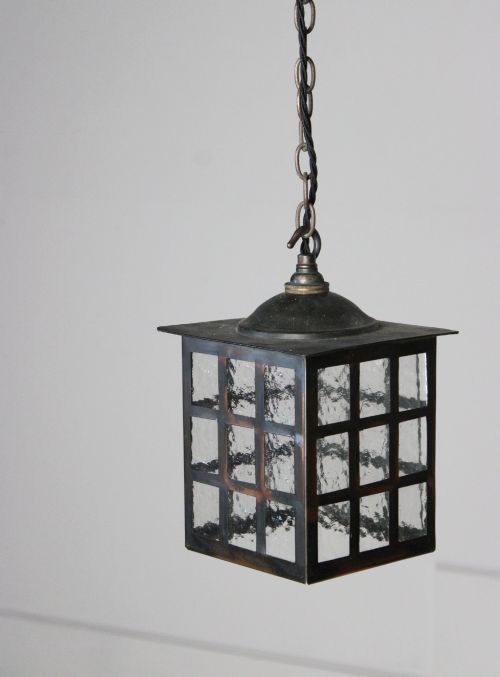
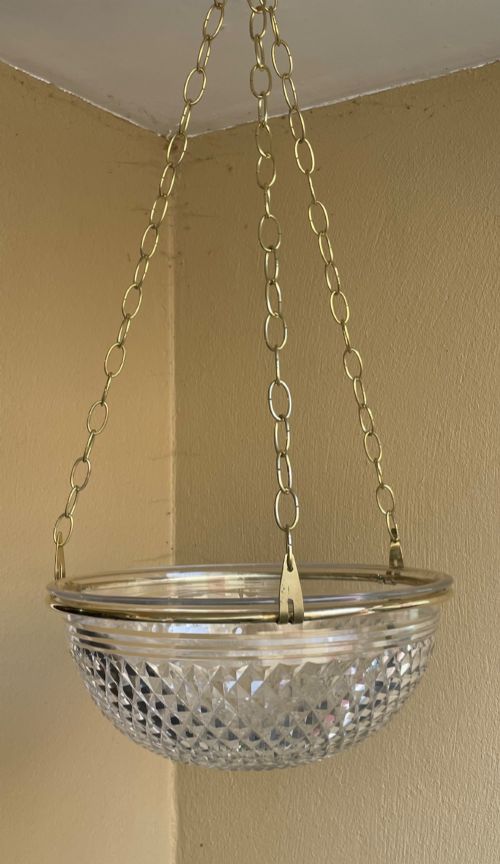


Period Pendant Lamp
These period pendant lamp fixtures bring genuine overhead illumination and character to a room, spanning Edwardian, Victorian, and Art Deco designs.
Period Pendant Lamp
When you search for period pendant lamp designs, you are looking at overhead lighting fixtures that hang from ceilings by chains, rods, or cords. These pieces encompass hanging lanterns, plafonniers, and multi-armed chandeliers originating from the nineteenth and early twentieth centuries.
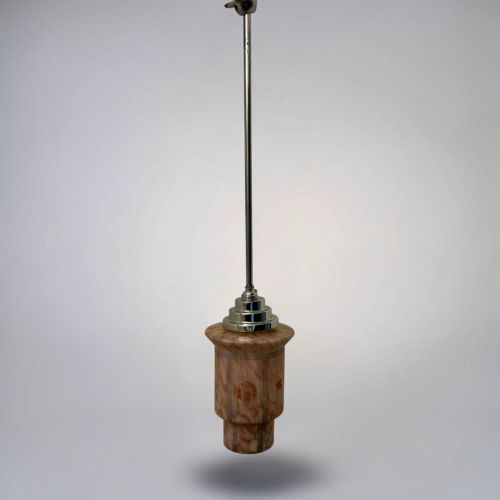
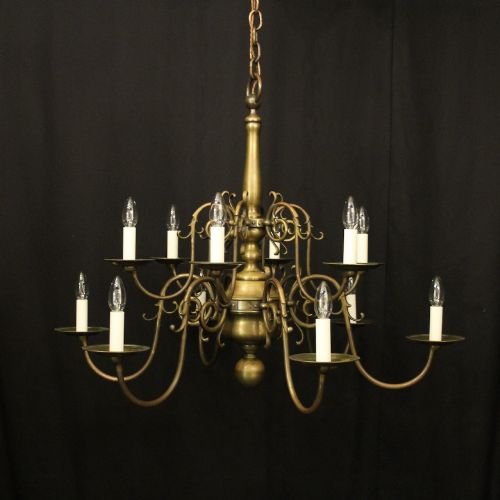
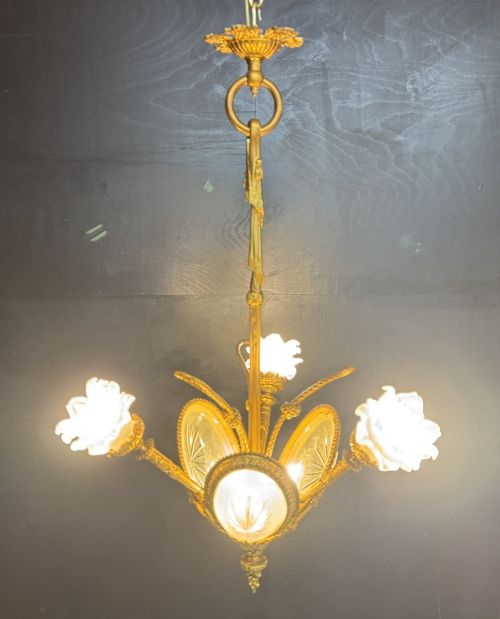
The versions you are most likely to meet on this page include Edwardian brass and cut glass configurations, alongside sturdy 1930s art deco lanterns. Many pieces draw upon French neoclassical and rococo revival styles, bringing varied historical aesthetics into domestic spaces.
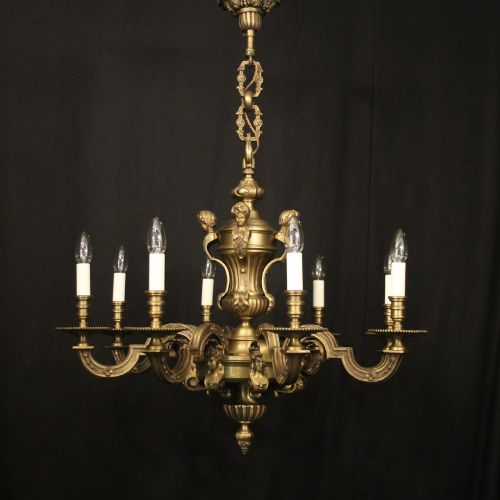
Makers recorded in these listings include F&C Osler and G.E.C., pointing to established British manufacturing traditions of the period. Object forms range from single-bulb glass shades to large multi-light bronze chandeliers designed for substantial halls and principal rooms.
How they were made
Makers constructed these fixtures using cast brass, bronze, and ormolu for the primary structural frames and suspension hardware. Metal components often feature detailed casting work, providing robust support for heavy glass elements.
Period Pendant Lamp Retail Price Guide 2026
Typical asking prices for period pendant lamp among the pieces listed under this phrase on Sellingantiques today, from the lower quarter to the upper quarter. They describe what is for sale here now, not the wider market.
Some Edwardian brass chandeliers managed to be both heavily industrial and delightfully fussy at the exact same time.
What varies in quality
The standard of metal casting and finishing marks the primary distinction between ordinary production and finer workshops. Crisp detailing on bronze and ormolu mounts indicates superior craftsmanship compared to softer, less defined castings.
The quality of the glass components, particularly deep hand-cutting and clarity in crystal shades, elevates certain pieces above standard utilitarian lighting. Substantial gauge metals and documented attribution to firms such as G.E.C. or F&C Osler further separate exceptional examples from standard domestic fixtures.
F&C Osler·G.E.C
The Period Pendant Lamp Glossary
- Plafonnier
- A ceiling-mounted or close-hanging glass bowl fixture that directs light downwards into a space. These fixtures often feature decorative metal mounts and frosted or cut glass bodies.
- Ormolu
- Finely ground high-carat gold-bronze alloy applied to metal objects to give a rich golden finish. This technique was frequently utilised on French decorative hardware.
- Chandelier
- A branched hanging light fixture designed to hold multiple bulbs or candles. Examples in this inventory range from simple three-arm arrangements to large ten-light fixtures.
- Cut glass
- Glass decorated by grinding facets into the surface using a wheel, creating reflective patterns that disperse light. It is commonly found on Edwardian and Victorian shades.
- Ceiling rose
- A decorative circular moulding or metal plate fixed to the ceiling from which a pendant light hangs. Victorian examples provide architectural framing for the suspension point.
Period Pendant Lamp: Frequently Asked Questions
How do I hang a heavy antique pendant?
Heavy bronze and brass chandeliers require secure attachment to ceiling joists using appropriate fixings rather than plaster alone. Professional installation is recommended to support the substantial weight of cast metal and glass components.
Ensuring the electrical wiring meets current standards while preserving the original suspension hardware is an essential part of hanging these historic fixtures safely.
What rooms suit an Edwardian pendant?
Edwardian pendants with cut glass or brass frames suit high-ceilinged hallways, dining rooms, and period drawing rooms where their proportions can be fully appreciated. Their warm metal tones complement traditional architectural details like picture rails and cornicing.
Smaller plafonniers work well in entryways or bedrooms, providing sufficient downward illumination without dominating the space.
How do I identify an art deco lantern?
Art deco hanging lanterns from the 1930s typically feature geometric metalwork, streamlined frames, and frosted glass panels. They avoid the ornate scrollwork of earlier Victorian and French revival styles in favour of cleaner, more industrial lines.
Examining the construction of the glass and the simplicity of the brass or copper framing helps distinguish these pieces from earlier Edwardian designs.
Can I replace the glass shades?
Replacing glass shades requires finding period-appropriate cut or frosted glass that matches the original fitter dimensions of the brass or bronze gallery. Mismatched replacements can disrupt the historical integrity of the fixture.
Whenever possible, retaining the original glass preserves the authentic diffusion of light characteristic of these antique pieces.