




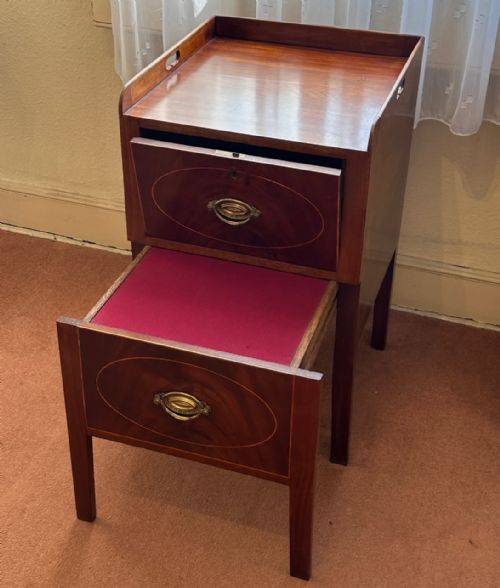

Period Pedestal Drawers
Period pedestal drawers bring enduring craftsmanship and classic utility to any room, offering traditional storage tailored to period interiors.
Period Pedestal Drawers
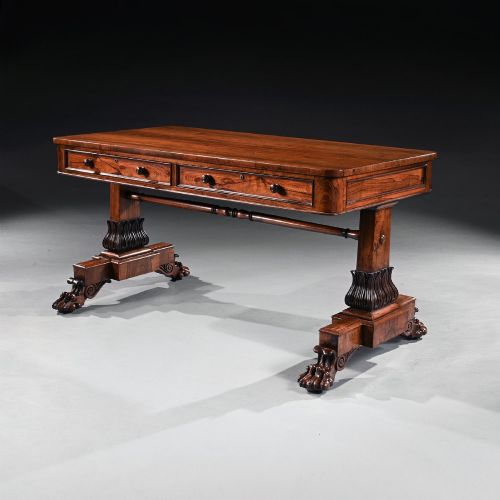
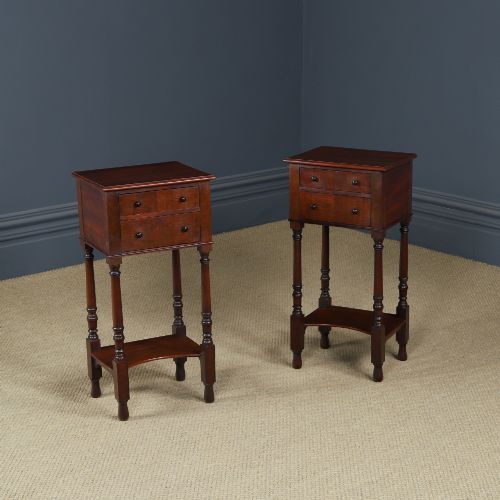
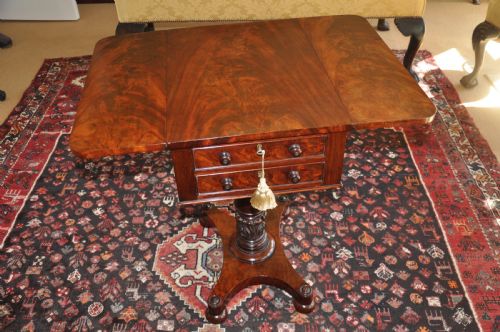
Buyers seeking period pedestal drawers encounter a diverse array of nineteenth-century and Georgian forms, including bedside chests, dressing chests, and occasional tables. These pieces embody historical cabinetry traditions, designed for practical room storage and functional surface use.
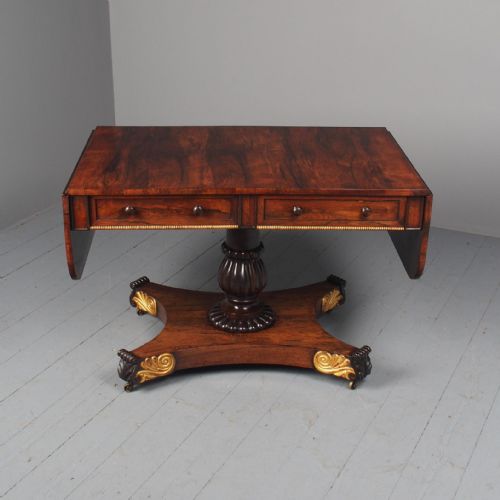
The selections on this page encompass various styles from the Georgian and Victorian eras, highlighting mahogany and rosewood construction. Most items reflect specific functional forms such as bedside cabinets with pull-out steps or library tables.
Navigating these period pedestal drawers involves appreciating the distinct stylistic traits of the Regency and George eras. Each piece showcases the specific design language of its period, from simple bedside chests to elaborate rosewood library tables.
Materials and Construction
Makers utilised dense timbers such as mahogany and rosewood, ensuring structural integrity and rich natural grain patterns. Brass hardware and leather inserts frequently supplemented these primary woods.
Traditional joinery techniques governed the assembly of these items, allowing drawers and pedestals to withstand regular domestic use. Inlaid birch and giltwood accents occasionally provided decorative contrast.
Period Pedestal Drawers Retail Price Guide 2026
Typical asking prices for period pedestal drawers among the pieces listed under this phrase on Sellingantiques today, from the lower quarter to the upper quarter. They describe what is for sale here now, not the wider market.
Certain bedside cabinets feature hidden pull-out steps, offering a polite morning elevation long before the advent of modern alarms.
Assessing Quality and Execution
Superior examples demonstrate meticulous attention to timber selection and refined execution of details like brass mounts and inlaid elements. The integrity of the wood grain and the precision of the joinery elevate the overall standing of a piece.
Lesser examples display simpler construction methods and more modest materials without the sophisticated secondary woods or thoughtful proportions found in higher-grade workshop production.
Gillows of Lancaster
The Period Pedestal Drawers Glossary
- Mahogany
- A durable, dark reddish-brown timber favoured by traditional cabinet makers for its strength and fine grain. It remains a defining material for Georgian and Victorian furniture.
- Regency
- A style period spanning the early nineteenth century characterised by classical restraint and archaeological influence. Pieces from this era often feature clean lines and dark exotic woods.
- Rosewood
- A heavily grained, dense tropical hardwood used for high-status furniture during the nineteenth century. Its striking figure makes it particularly desirable on library and sofa tables.
- Pedestal
- A supporting column or base structure beneath a cabinet, table, or chest. This architectural element provides stability and elevates the main body of the furniture.
Period Pedestal Drawers: Frequently Asked Questions
What defines a period pedestal drawer?
These items comprise traditional nineteenth-century and Georgian wooden storage furniture built with foundational support columns or cabinets.
They serve practical household roles ranging from bedside storage to library organisation.
How were these pieces used historically?
Original owners utilised these items in bedrooms, libraries, and withdrawing rooms for storing personal effects and writing.
Their functional surfaces and compartment layouts accommodated daily domestic tasks.
How do I care for mahogany furniture?
Maintain the timber by keeping pieces away from direct heat sources and fluctuating humidity levels.
Apply traditional furniture wax sparingly to preserve the natural lustre of the wood.
How do I identify Regency pieces?
Look for distinct classical proportions, dark rosewood or mahogany veneers, and restrained brass detailing.
These characteristics reflect the dominant aesthetic of the early nineteenth century.