






Period Parlor Settee
A period parlor settee brings formal nineteenth-century seating into a room, offering carved wooden frames and historic upholstery.
Period Parlor Settee
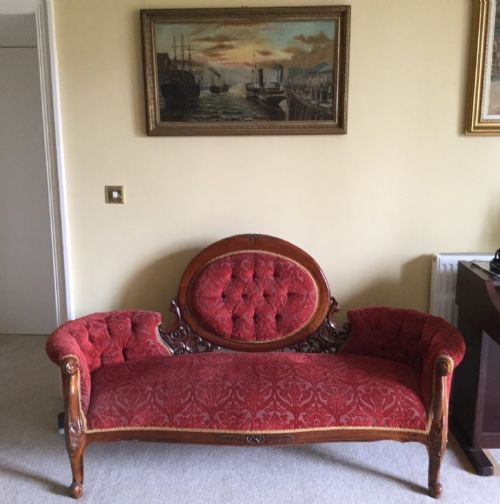
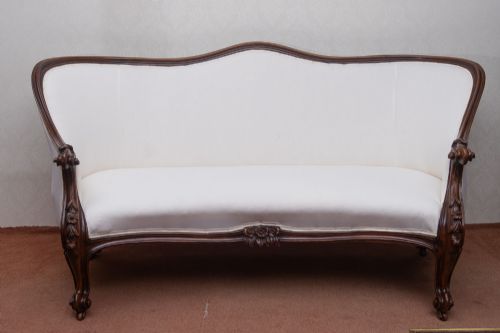
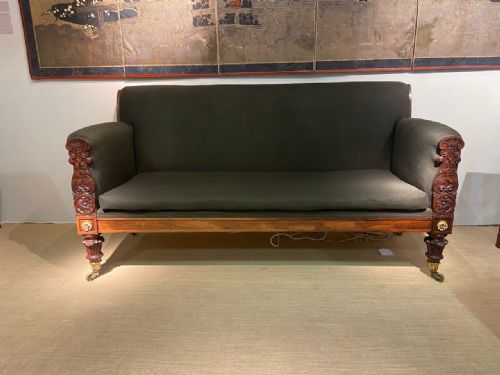
A period parlor settee provides formal nineteenth-century seating, drawing on Victorian, Regency, and Edwardian design traditions. These pieces include two-seat sofas, double-ended couches, and matching salon suites.
Mahogany, rosewood, walnut, and giltwood form the structural woodwork, often paired with carved details and exposed frames. Upholstery choices range from silk damask and brocade to deep-pile fabrics and modern fabric replacements.
Origin points span British cabinet makers and French workshops, encompassing French Rococo Revival, Louis XVI style, and Aesthetic Movement aesthetics. Buyers encounter everything from country house seating to ebonised reception furniture.
Materials and construction
Makers constructed these frames from solid timbers including mahogany, walnut, rosewood, and beech, frequently applying gold paint, ebonising, or gilding to the surface. Carved wood details define the crest rails, arms, and legs across French and British pieces.
Traditional upholstery relied on sprung bases, horsehair stuffing, and heavy textile coverings such as brocade and damask. Many surviving examples retain their historic character or feature modern re-upholstery.
Period Parlor Settee Retail Price Guide 2026
Typical asking prices for period parlor settee among the pieces listed under this phrase on Sellingantiques today, from the lower quarter to the upper quarter. They describe what is for sale here now, not the wider market.
Listings feature nineteenth-century seating in mahogany, rosewood, and walnut, alongside giltwood and ebonised finishes.
Judging quality and craftsmanship
The refinement of the hand-carved woodwork and the choice of primary timber distinguish fine examples from simpler regional seating. Crisp moulding, balanced proportions, and substantial wood frames indicate superior workshop output.
The integrity of the frame construction and the choice of original textile coverings separate standard production from high-status salon furniture. Pieces retaining matched suites or documented maker attribution carry additional distinction.
Jas James Shoolbred
The Period Parlor Settee Glossary
- Settee
- A long upholstered seat with a back and arms, designed for multiple occupants in a formal room.
- Brocade
- A rich shuttle-woven fabric featuring raised decorative patterns, often utilised for historic upholstery.
- Giltwood
- Timber treated with gold leaf or gold paint to create a lustrous decorative surface finish.
- Aesthetic Movement
- A late nineteenth-century style prioritising artistic design and craftsmanship over rigid historical revivals.
- Double Ended Sofa
- A seating form with identical raised ends, allowing a user to recline comfortably from either direction.
Period Parlor Settee: Frequently Asked Questions
What is a period parlor settee?
A period parlor settee is a nineteenth-century upholstered seat designed for formal reception rooms. These pieces feature carved wooden frames in styles ranging from Regency to Victorian.
They serve as both functional seating and decorative centrepieces, reflecting the aesthetic priorities of their original eras.
How were these settees used originally?
These settees furnished formal parlors and drawing rooms where families received guests and hosted social gatherings. Their design emphasised upright posture and visual elegance.
Matching salon suites often accompanied the main settee to provide a unified seating arrangement.
How should I care for historic upholstery?
Historic and reproduction textiles require gentle vacuuming with a soft attachment to remove dust without damaging delicate fibres. Direct sunlight should be avoided to prevent fading of brocade and damask.
Professional textile cleaning helps preserve fragile historic fabrics on unaltered pieces.
How do I identify different nineteenth-century styles?
Regency pieces lean toward classical restraint and French Empire influences, while Victorian examples often feature exuberant carving and deep buttoning. Aesthetic Movement designs favour cleaner lines and ebonised finishes.
Examining the wood type, carving motifs, and frame silhouette helps determine the precise period.