



Period Overmantle
A period overmantle mirror brings monumental scale and deep architectural reflection directly to a chimney breast.
Period Overmantle
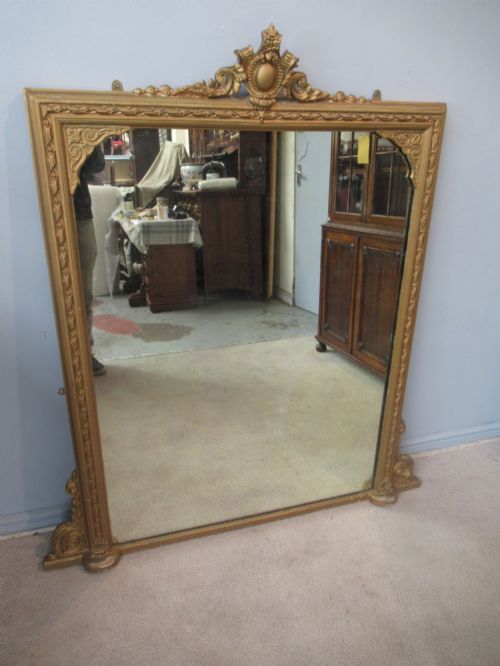
A period overmantle is a wide mirror designed specifically to sit upon the mantelpiece above a fireplace, anchoring the domestic hearth. When searching for a period overmantle, buyers encounter substantial wall-hanging and mantel-resting frames spanning the nineteenth century and the Edwardian era.
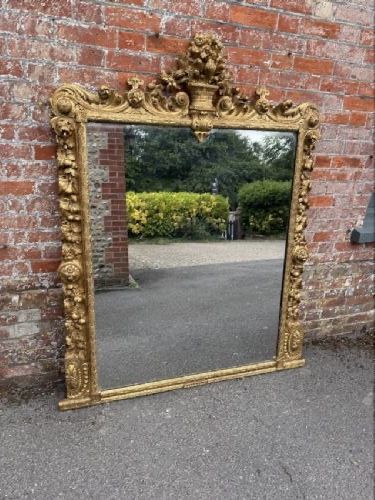
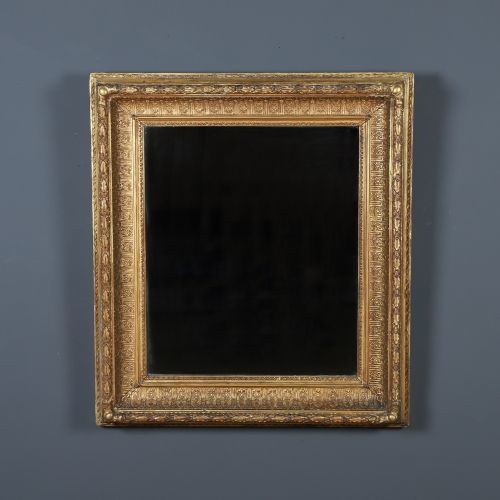
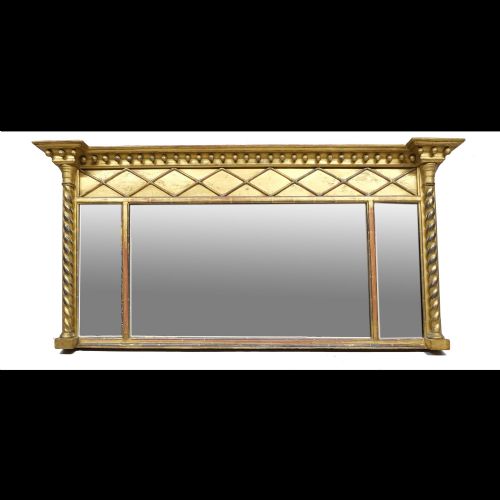
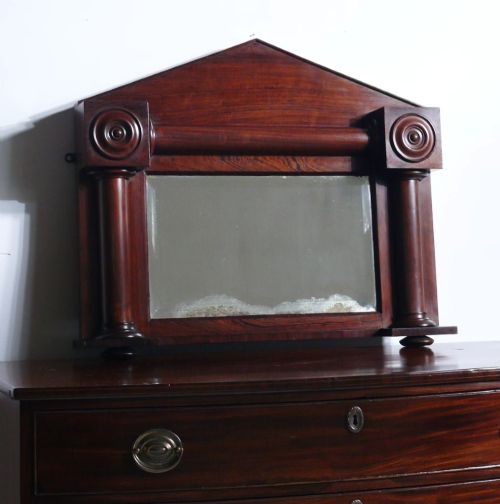
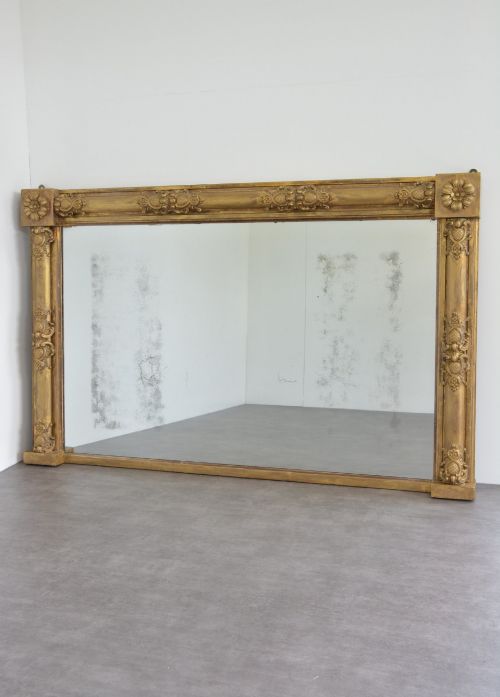
The selections here run from the strict symmetry of Regency and Georgian designs through to ornate Victorian, Aesthetic Movement, and French Empire interpretations. Large rectangular formats and triple plate configurations dominate the inventory, accompanied by occasional oval shapes and decorative relief panels.
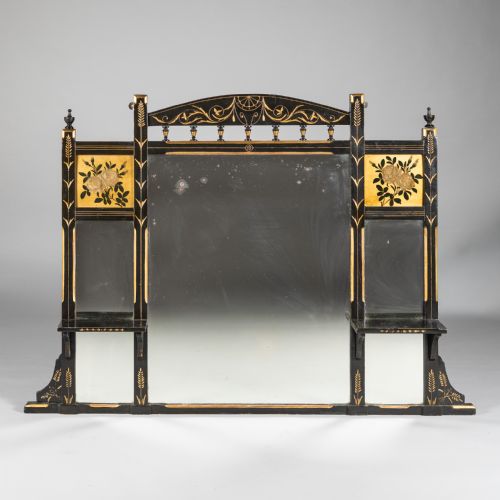
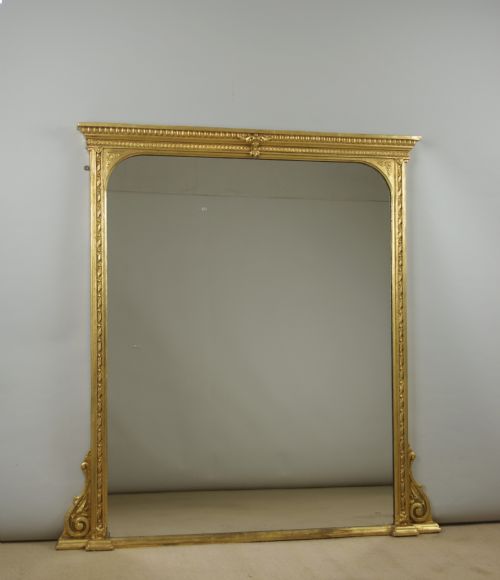
Victorian examples in gilt plaster, carved wood, and ebonised finishes represent the core of what turns up on this page. These pieces often feature generous proportions intended to bounce daylight across a Victorian or Edwardian drawing room.
Materials and construction
Makers built these heavy frames using timber substrates like wood and rosewood, applying layers of gesso to build up intricate surface ornament before adding gold leaf or paint. Giltwood and composition mouldings allowed workshops to achieve elaborate classical and floral reliefs with speed and precision.
Mirror glass of the period involved mercury or silvering techniques that frequently aged into foxed, atmospheric surfaces. Ebonised wood and parcel-gilt treatments provided a darker, contrasting aesthetic popular during the later nineteenth century.
Period Overmantle Retail Price Guide 2026
Typical asking prices for period overmantle among the pieces listed under this phrase on Sellingantiques today, from the lower quarter to the upper quarter. They describe what is for sale here now, not the wider market.
Some overmantle panels feature Bacchus and cherubs, proving that nineteenth-century domestic decor knew how to enjoy a party.
Judging quality in frames and glass
Quality rests in the crispness of the carved or moulded detail and the integrity of the underlying wooden frame. Finer examples retain their original gold leaf or deep ebonised finishes with minimal restoration to the decorative relief panels.
The mirror plate itself dictates much of the character, with multi-plate constructions and original silvering or light foxing showing age without obscuring the reflection. Substantial proportions and robust backboards indicate a piece built to endure decades above a working hearth.
The Period Overmantle Glossary
- Overmantle
- A mirror or decorative piece specifically proportioned to hang on the wall or rest upon the shelf directly above a fireplace mantel.
- Giltwood
- Timber, most commonly pine or gesso-coated wood, covered with thin gold leaf to create a brilliant metallic finish. This material defines the appearance of many formal nineteenth-century frames.
- Gesso
- A plaster-like mixture applied to wooden frames and carved or moulded into relief ornamentation before gilding. It provides the smooth base required for crisp decorative details.
- Triple plate
- A mirror construction divided into three distinct glass sections within a single frame, a style frequently utilised in Regency and Victorian designs.
- Foxing
- The natural ageing of mirror glass where chemical changes create characteristic dark spots and soft patches. Collectors prize this atmospheric patination as proof of great age.
- Ebonised
- Wood treated with a dark finish to imitate expensive ebony. This technique gained particular favour during the Victorian and Aesthetic Movement periods.
Period Overmantle: Frequently Asked Questions
How do I hang a heavy overmantle safely?
These large frames carry considerable weight and require secure anchoring directly into masonry wall studs or solid brickwork using heavy-duty brackets.
Many examples were originally designed to rest their weight partly on the mantel shelf itself while secured to the wall above to prevent tipping.
Can an overmantle mirror go in a hallway?
While originally built for the fireplace, their generous width and height make them effective wall mirrors for large hallways and dining rooms.
Placing them opposite a window maximises the reflection of natural light into deeper interior spaces.
What is the difference between Regency and Victorian overmantles?
Regency frames lean toward classical restraint, architectural symmetry, and clean gilded lines often incorporating triple plates.
Victorian pieces frequently display heavier ornamentation, darker ebonised surfaces, or elaborate plaster relief panels reflecting changing nineteenth-century tastes.
How should I clean antique mirror glass?
Use a soft, dry microfibre cloth to gently remove dust from the glass surface without disturbing fragile original silvering.
Avoid harsh modern chemical sprays that can seep behind old bevels or damage vulnerable gesso and giltwood frames.