
Period Oil Portrait Canvas
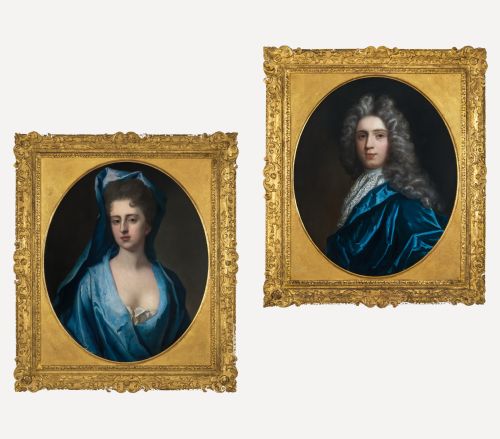
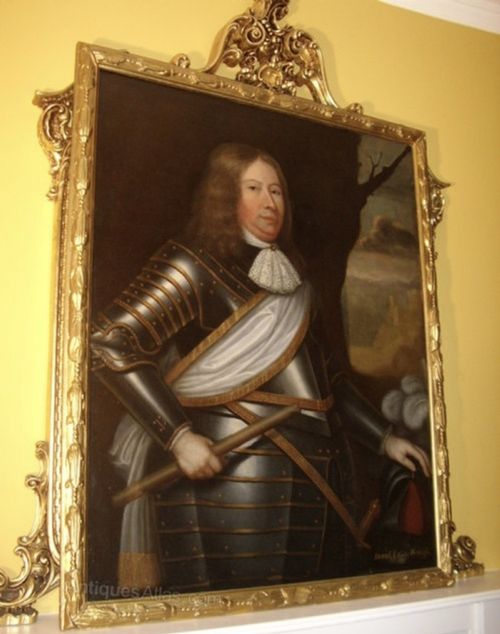
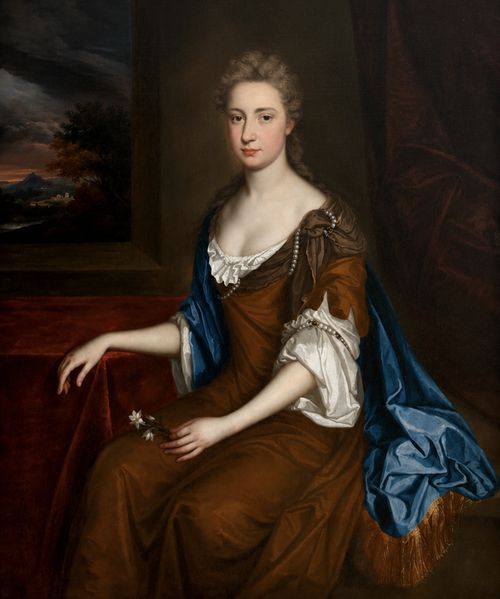
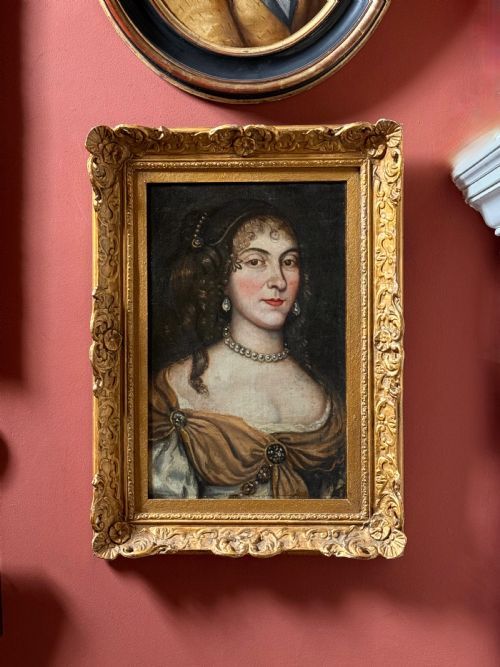
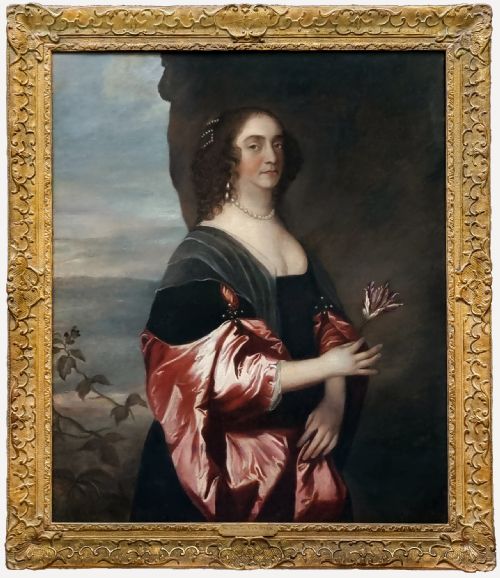
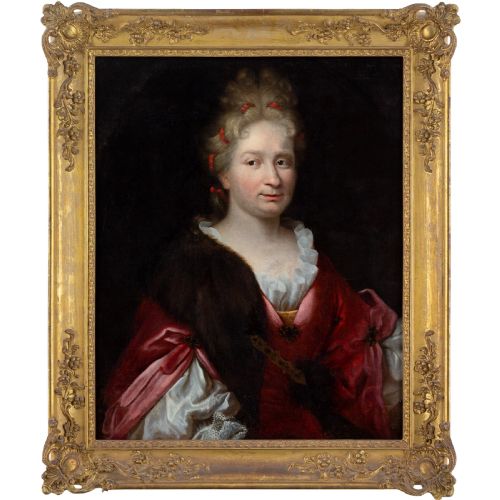
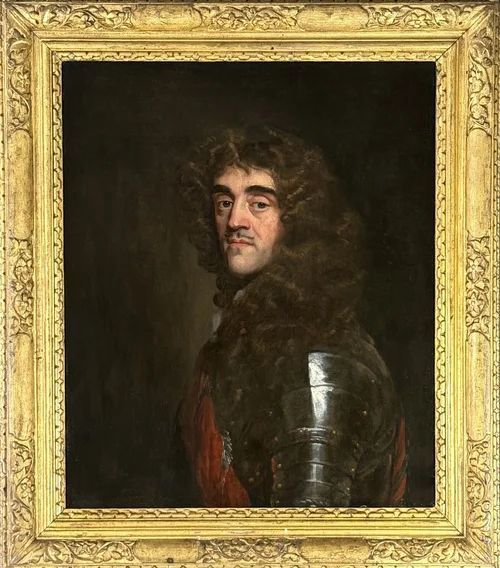
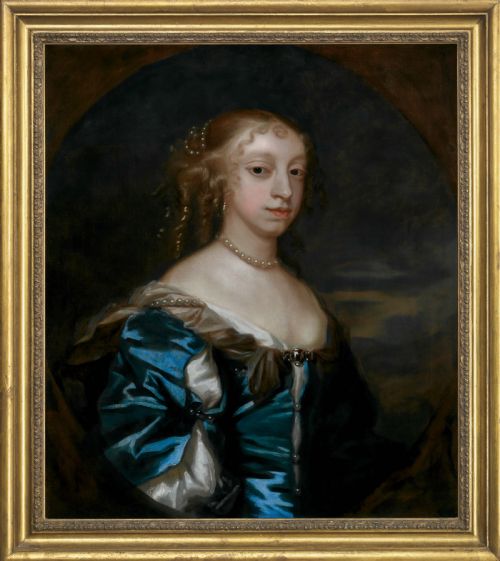
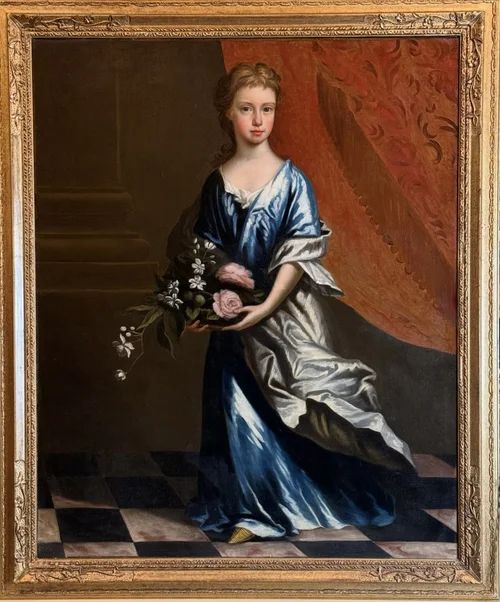
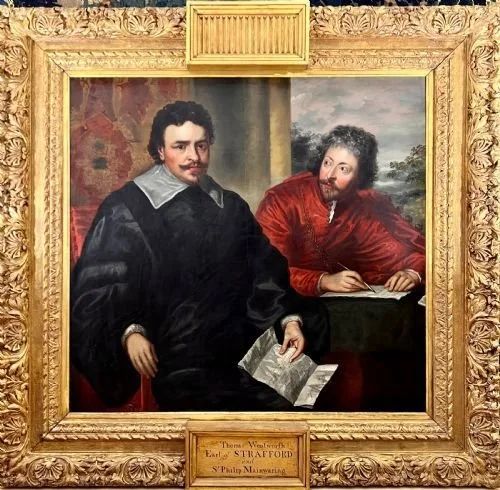
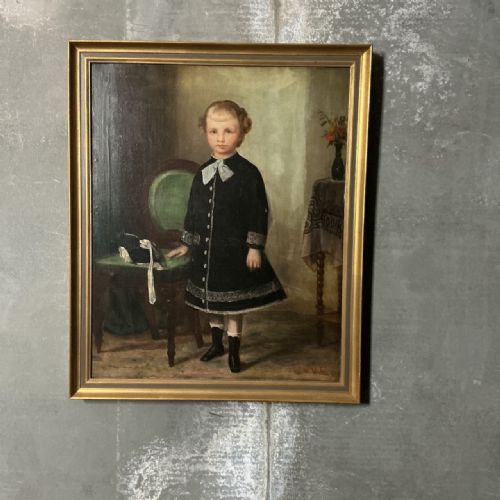
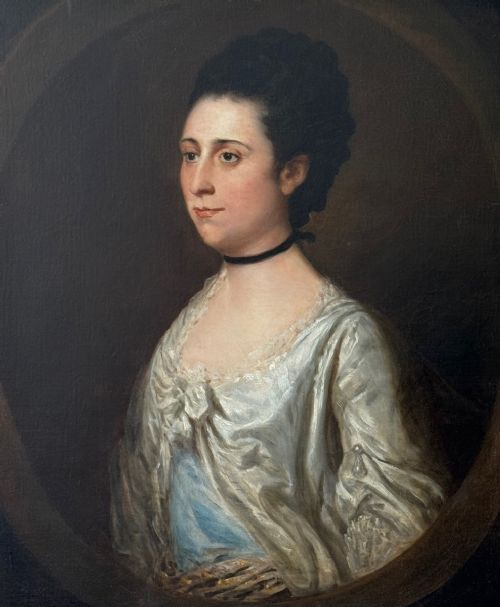
A period oil portrait canvas captures historical figures and gentlefolk in paint, offering a direct window into past centuries through portrait painting.
How they were made
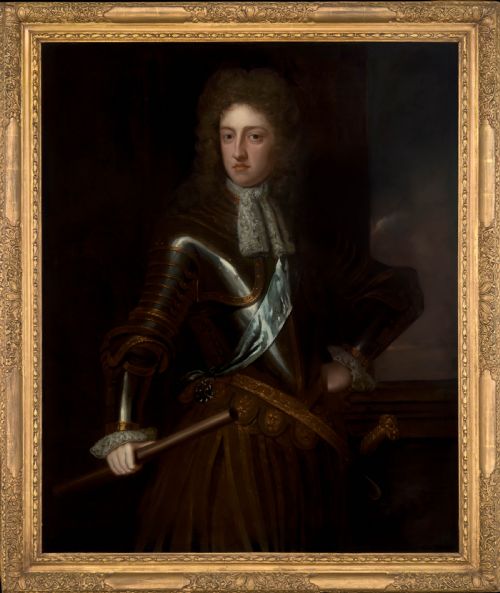
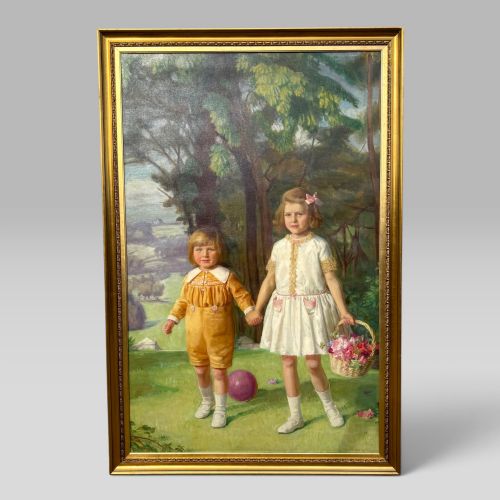
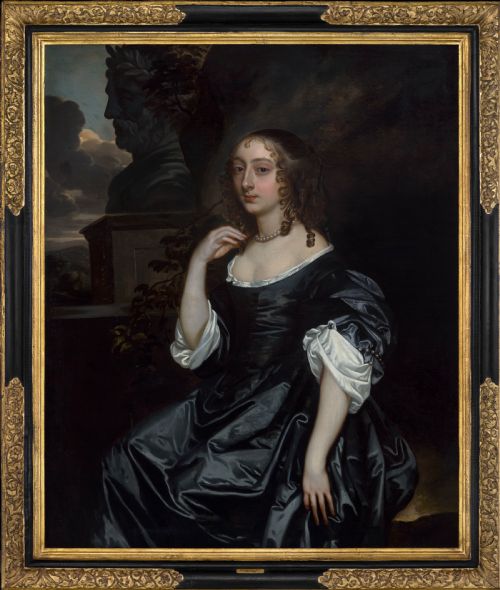
Artists applied oil paint to woven canvas supports, building up rich layers of pigment to achieve depth in garments, skin tones, and background landscapes.
Many works incorporate carved wooden frames finished with gold leaf or gilt wood, which complement the traditional painting techniques of the period.
What varies in quality
The nuance in facial expression and the deft rendering of textiles, such as silk ribbons and velvet coats, distinguish masterworks from standard studio output.
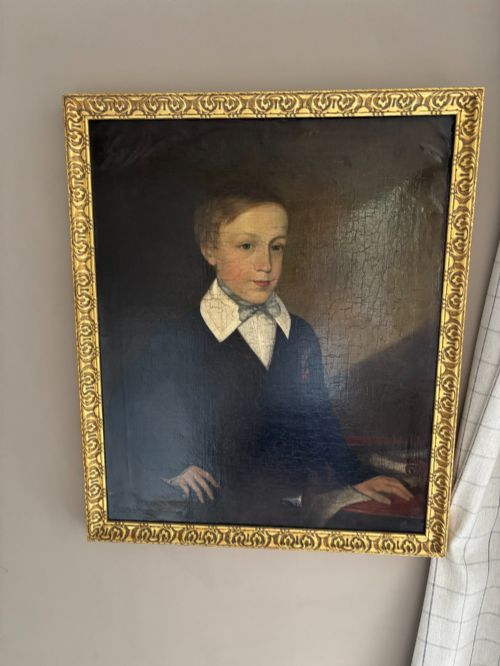
Condition plays a part, as original unlined canvases with stable pigment compare differently to works requiring extensive historical conservation.
Listings feature works spanning the 17th, 18th, and 19th centuries, executed in oil paint upon canvas supports.
John Hayls·David Scougall·Sir Peter Lely·Joshua Reynolds·Mary Beale·Thomas Beach·Sir Thomas Lawrence·John Greenhill·Allan Ramsay·John Michael Wright·Trajan Hughes·Jeremiah Davison·Henry Pickering·Sir Anthony Van Dyck·James Maubert·Joseph Highmore·John Riley·John Closterman·Robert Walker·Gottlob Fischer·Moses Vanderbank
The Period Oil Portrait Canvas Glossary
- Giltwood
- Wood carved and coated with gold leaf or gold paint. This finish provides a reflective border that enhances the dark tones of early oil paintings.
- Circle of
- A designation indicating the artist worked closely with a named master, often sharing a similar workshop style and technique.
- Oil on Canvas
- Pigments bound in drying oils applied directly to a stretched fabric support. This combination allows for subtle blending and long-term durability.
- Baroque
- An artistic style prevalent in the seventeenth century characterised by dramatic lighting and rich detail. Portraits from this period often display theatrical drapery and intense character studies.
- School
- A group of artists working in a similar geographical region or during a specific time period. It denotes shared stylistic traits rather than a direct tutorship.
Period Oil Portrait Canvas: Frequently Asked Questions
How do I identify a seventeenth century portrait?
Seventeenth century portraits typically feature stiff lace collars, dark backgrounds, and subjects depicted in formal military attire or heavy silk gowns. The brushwork tends to be precise, focusing on status and lineage.
Signatures are often absent, so attribution relies on costume analysis, comparable works by known schools, and historical records of the sitter.
What is the difference between circle of and attributed to?
Attributed to suggests a specific artist likely painted the work based on stylistic evidence, though absolute documentation is missing. Circle of indicates the painter worked within the immediate orbit of a master.
Both terms help contextualise the origin of the canvas when direct signatures or dated documentation do not survive.
How should I care for an antique canvas?
Keep oil paintings away from direct sunlight, extreme temperature fluctuations, and high humidity to prevent the canvas from sagging and the paint from cracking. Gentle dusting with a soft, dry brush is generally sufficient for routine maintenance.
Avoid using water or chemical cleaners on the painted surface or the giltwood frame, and consult a professional conservator for any structural repairs.
Are these portraits cleaned or restored?
Many period canvases undergo professional conservation over their lifespan to remove accumulated dirt and discoloured varnish. Restorations aim to stabilise the paint layer and reveal the original pigment tones.
Detailed descriptions often note whether a painting has been relined or retouched, preserving transparency for collectors regarding the work's physical history.