

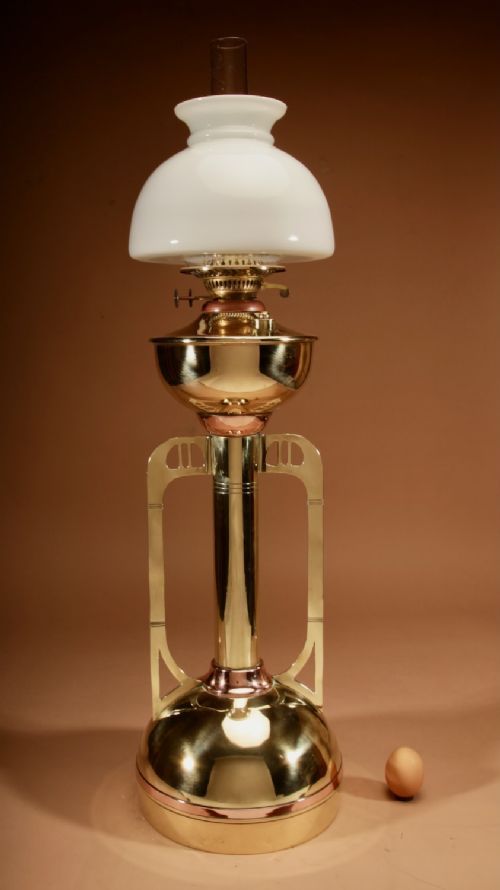
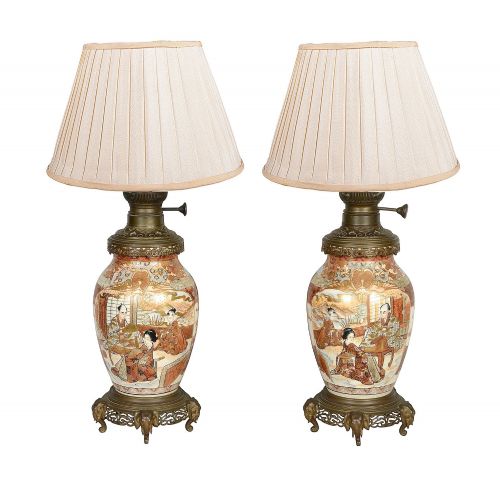
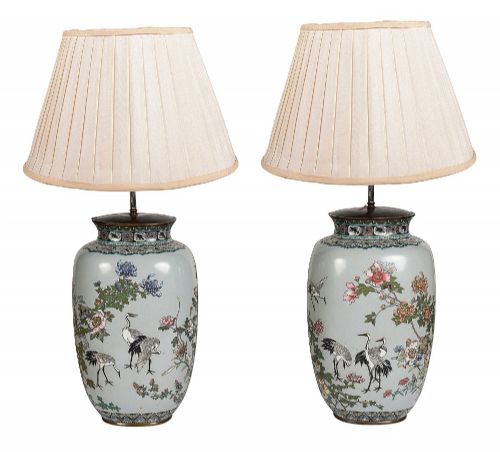

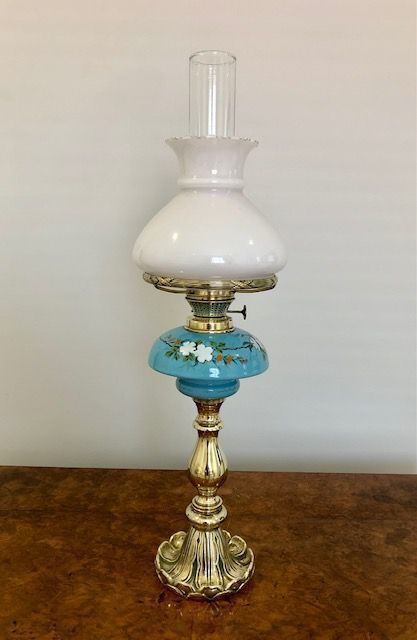


Period Lighting Shade
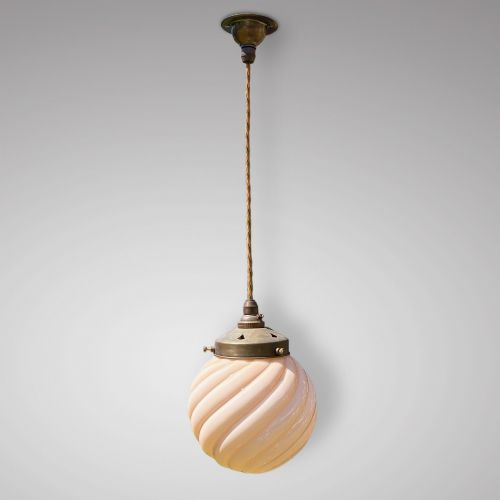
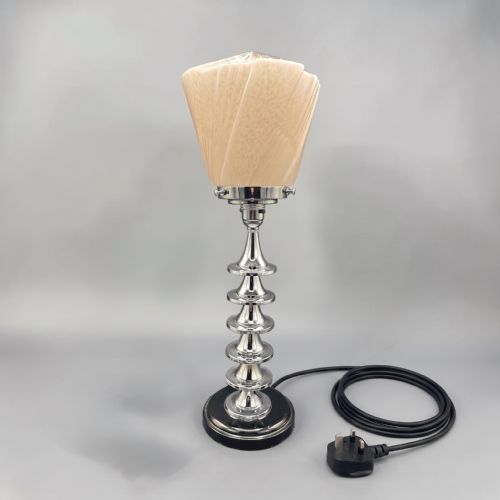
A period lighting shade completes a lamp or pendant, diffusing light through materials like glass, fabric and silk across styles from Victorian to Art Deco.
Period Lighting Shade
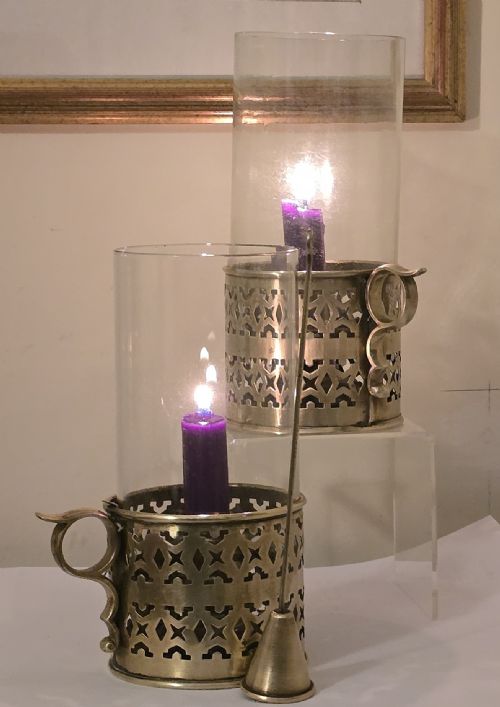
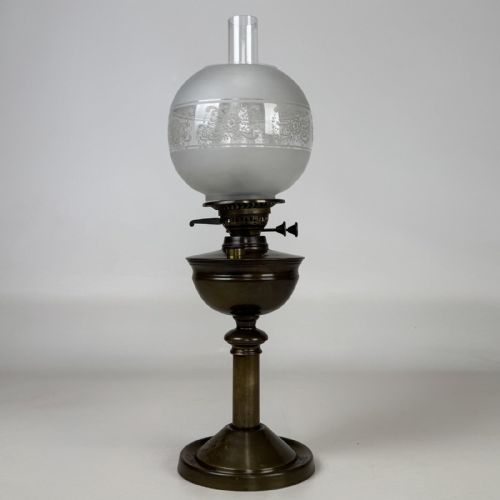
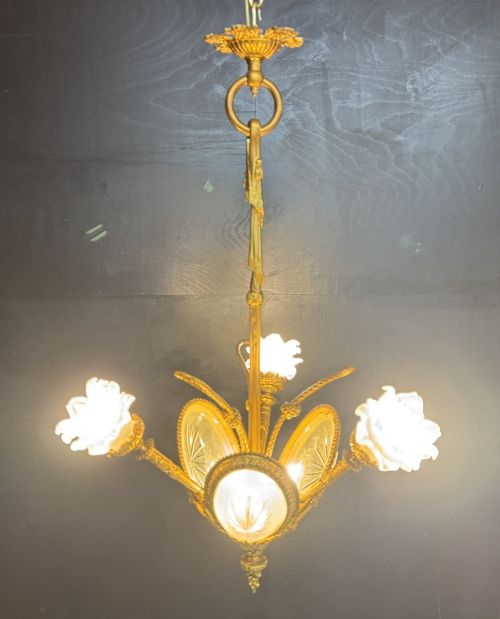
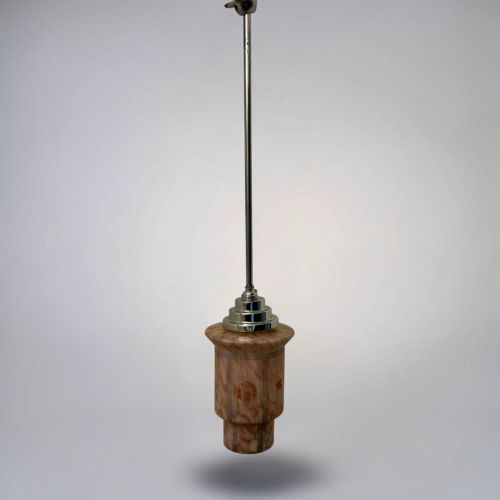
A period lighting shade sits atop or surrounds a light source, fulfilling a practical task while defining the visual character of a room. When buyers search for a period lighting shade, they encounter diverse forms suited to table lamps, wall sconces and pendant fixtures. The examples found here span centuries of design, covering the 18th century, Victorian era, Edwardian period and the 1930s.
The selection includes glass, fabric and porcelain components drawn from various historical contexts. Many pieces reflect Japanese Meiji and Edo periods, alongside European Art Nouveau and Art Deco movements. These items connect past craftsmanship directly to contemporary interiors.
How They Were Made
Makers utilised brass, copper, bronze and gilt bronze to build sturdy frames, wall brackets and lantern structures. Metalwork often involved casting, forging and detailed chasing to shape mounts and fittings.
Fragile elements relied on glass production, porcelain shaping and cloisonné enamel work. Artisans combined these materials with fabric and silk components to control and soften illumination.
Period Lighting Shade Retail Price Guide 2026
Typical asking prices for period lighting shade among the pieces listed under this phrase on Sellingantiques today, from the lower quarter to the upper quarter. They describe what is for sale here now, not the wider market.
Some Victorian candle lamps incorporate fierce cast griffins holding up the shade, proving that even functional lighting needs a mythical guardian.
What Varies in Quality
The distinction between ordinary and superior pieces rests on the precision of metal casting and the clarity of glass or enamel work. Hand-finished bronze mounts and intricately detailed cloisonné demonstrate superior workshop capability compared to standard production.
Integrity of construction also separates tiers of quality, visible in secure joints, substantial gauge metal and well-preserved decorative surfaces. The balance of proportion between mounting hardware and shade material reveals the maker's intent and skill.
Gustave Serrurier Bovy·F and C Osler
The Period Lighting Shade Glossary
- Cloisonné
- Enamelwork created by pouring coloured pastes into compartments formed by thin metal strips soldered to a base. This technique appears frequently on Japanese vases adapted for illumination.
- Ormolu
- Gilt bronze ornamentation applied to furniture and lighting fixtures. The process involves coating metal objects in a mercury and gold amalgam.
- Imari
- Japanese porcelain decorated in underglaze blue and overglaze iron red, gold and black. These exported wares frequently serve as bodies for converted lamps.
- Satsuma
- Japanese earthenware pottery characterised by a ivory-coloured cracked glaze and intricate polychrome enamel decoration. Many examples from the 19th century find new life as lamp bases.
- Arita
- Japanese porcelain produced in the Hizen province, known for early export wares. Pieces from this tradition appear across multiple centuries in lighting conversions.
Period Lighting Shade: Frequently Asked Questions
How do I choose the right shade?
Match the proportions of the shade to the base diameter and the overall height of the lamp fixture. Consider the existing decor style, whether Victorian, Edwardian or Art Deco, to maintain historical consistency.
Ensure the mounting fitter matches the physical dimensions of the gallery or harp on your lamp. Different periods utilised specific connection types for glass and fabric components.
Were these shades converted from vases?
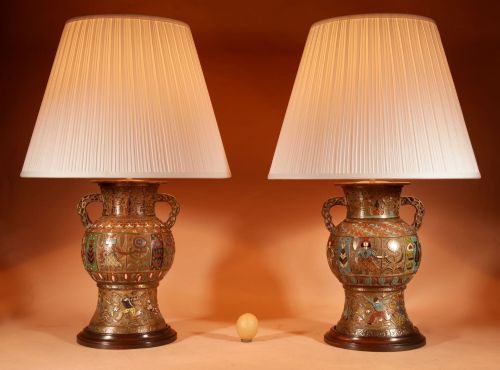
Many antique lighting components started life as decorative vases, particularly Japanese porcelain and cloisonné pieces from the 18th and 19th centuries. Artisans later drilled these ceramic vessels to accommodate electrical wiring or oil burners.
Conversion methods vary in invasiveness, with professional drillings preserving the structural integrity of the underlying ceramic or metal body.
How do I clean antique glass?
Wash frosted or cut glass components in lukewarm water using mild, non-abrasive soap. Avoid harsh chemical cleaners that might damage historical surfaces or metal fittings attached to the glass.
Dry the glass thoroughly with a soft cloth before reassembly to prevent water spots and protect older metal mounts from corrosion.
Can I use modern bulbs?
Modern low-heat LED bulbs work well with older fixtures, reducing thermal stress on delicate antique fabric, silk and glass shades. Ensure the wattage does not exceed the capacity specified by the original wiring or lamp holder.
Have older electrical cords and fittings inspected by a qualified professional to guarantee safety before regular daily use.