



Period Library Shelf
A period library shelf brings timber warmth and classical proportion to a room, offering open storage for books and display.
Period Library Shelf
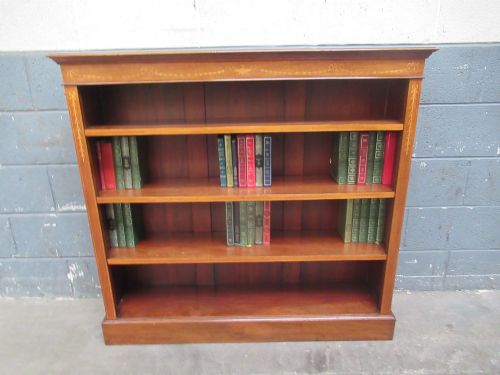
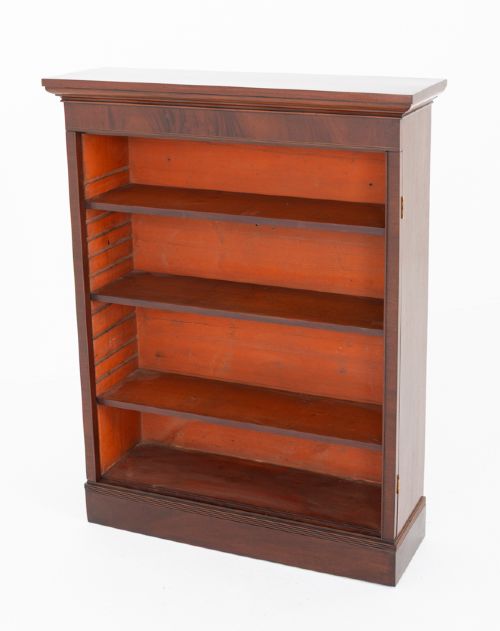
A period library shelf serves as a practical repository for volumes, taking the form of open bookcases, low open bookcases, and waterfall bookcases. These items appear across several historic eras, notably the Regency, Victorian, and Edwardian periods.
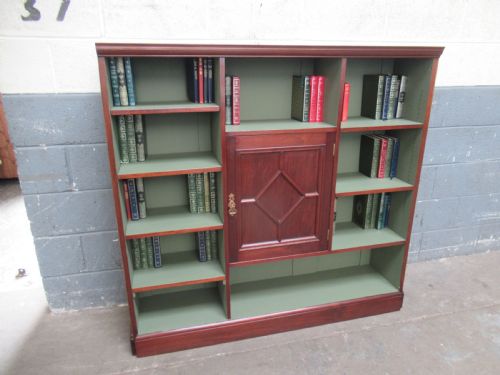
The buyer on this page is most likely to meet open bookcases and bookcases and shelving constructed from rich timbers like mahogany and rosewood. Forms range from compact small bookcases to breakfront floor bookcases and side cabinets.
Makers and craftsmen of these periods utilised classical proportions and functional shelving to house growing collections of literature. Each piece reflects the interior design priorities of its specific decade, from the clean lines of 1800 to the later Edwardian interpretations.
How they were made
Construction relies heavily on dense hardwoods such as mahogany and rosewood, alongside burr walnut for decorative grain patterns. Timber selection dictated both the structural integrity and the visual weight of the bookcase.
Finishing touches incorporate brass details and ormolu mounts, which provide contrast against dark wood surfaces. Some pieces utilise paint or simulated rosewood techniques to achieve a uniform finish.
Inward breakfront designs and waterfall tiers required precise joinery to support heavy rows of books while maintaining elegance. Leather accents sometimes appeared on related shelving surfaces to complement the bound volumes.
Period Library Shelf Retail Price Guide 2026
Typical asking prices for period library shelf among the pieces listed under this phrase on Sellingantiques today, from the lower quarter to the upper quarter. They describe what is for sale here now, not the wider market.
Some nineteenth-century readers preferred their bookcases stepped like waterfalls, perhaps to make choosing a midnight novel feel less burdensome.
What varies in quality
The distinction between standard examples and superior pieces rests on the choice of timber veneer and the complexity of the carcass design. Breakfront forms and burr walnut surfaces demand greater skill from the cabinetmaker than simple rectangular shelving.
Original mounts in brass and ormolu elevate an item, showing finer hand-chiselling and secure integration with the timber structure. Subtle variations in proportions and the crispness of classical moulding define the tier of craftsmanship.
The Period Library Shelf Glossary
- Breakfront
- A piece of furniture where the central section projects forward from the flanking wings. This architectural arrangement adds depth and shadow to large bookcases.
- Waterfall bookcase
- A set of open shelves that steps back progressively from bottom to top, resembling cascading water. This lighter form gained popularity during the nineteenth century.
- Ormolu
- Gilded bronze used for decorative mounts and accents on furniture. It provides a bright metallic contrast to dark woods like mahogany and rosewood.
- Burr walnut
- Timber taken from the warted excrescences of a walnut tree, yielding intricate, swirling grain patterns. It was sliced into thin veneers for high-status cabinet work.
Period Library Shelf: Frequently Asked Questions
How were open bookcases used historically?
Historically, open bookcases held frequently referenced volumes in private libraries, studies, and drawing rooms. Their open format allowed for rapid selection of books.
Unlike glazed bookcases that protected fragile bindings behind glass, these shelves prioritized immediate access for readers and scholars.
How do I live with antique bookcases?
Living with antique bookcases involves balancing their historical weight with modern interior spaces. They anchor a room and naturally organise book collections.
Positioning them away from direct sunlight and dramatic temperature fluctuations helps protect nineteenth-century wood finishes and veneers from drying out.
How do I tell Regency from Victorian pieces?
Regency pieces, dating from roughly the early nineteenth century, often display clean classical lines, rosewood surfaces, and restrained brass or ormolu mounts. They reflect a fascination with antiquity.
Victorian items, emerging later in the century, tend to utilise mahogany or burr walnut with slightly heavier proportions and varied revival styles.