


Period Jewellery
Period jewellery brings together centuries of wearable craftsmanship, spanning gold rings and diamond drop earrings.
Period Jewellery
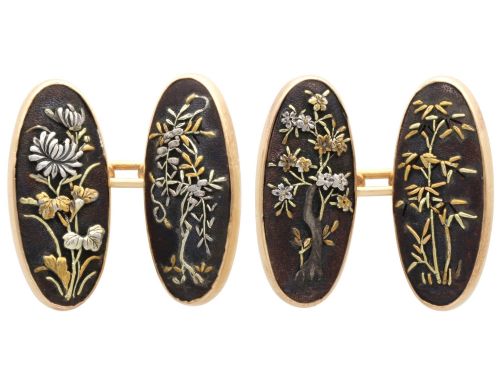
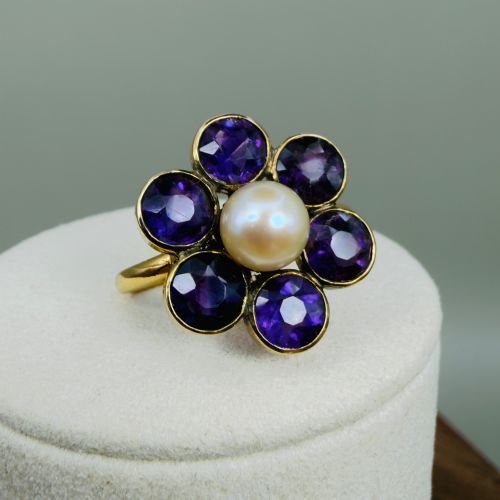
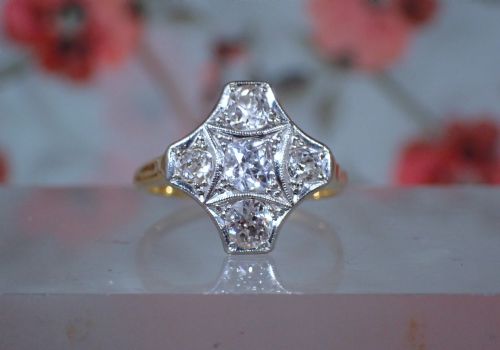
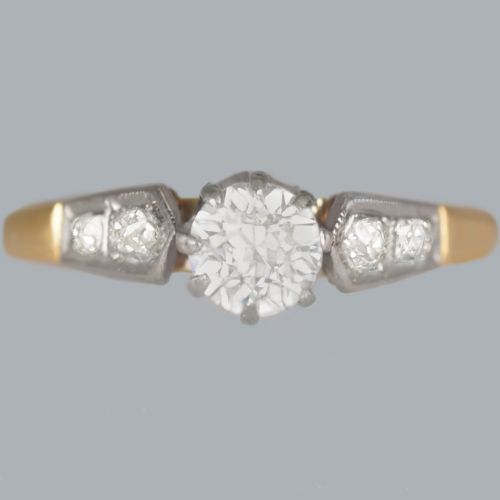
The selection here includes gold and platinum finger rings set with diamonds, amethysts, and sapphires, alongside sterling silver lockets and earrings. Alongside traditional rings and necklaces, the category incorporates related ornamental metalwork such as cufflinks and brooches. Each item reflects the design priorities of its era, whether the intricate clusters of the Georgian epoch or the geometric lines of the 1920s.
Materials and Techniques
Makers utilised precious metals including yellow gold, sterling silver, and platinum to form the structural foundations of rings, brooches, and pendants. Gold of varying carats provides the warm tone seen in Georgian and Victorian clusters, while platinum emerges strongly in later Art Deco mountings. These metals are frequently combined to contrast colours and securely hold gemstones.
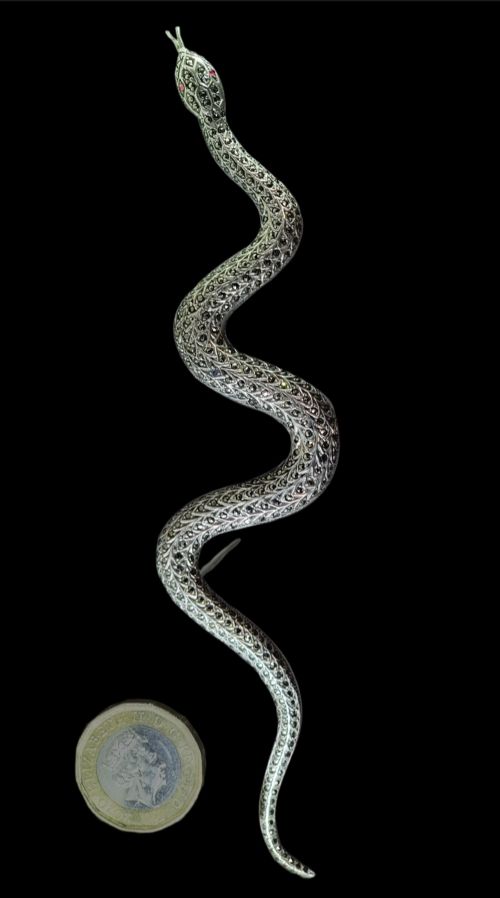
Gemstone setting relies on traditional hand-cut stones, notably old European cut diamonds, alongside amethyst, sapphire, emerald, and pearl. Decorative techniques incorporate blue enamel guilloche, marcasite inlay, and steel filigree work to add surface texture and visual depth. Metal smithing methods span hand-forging in earlier centuries to refined piercing and articulation in Edwardian and Art Deco examples.
Ring forms dominate the selection, accompanied by earrings, necklaces, bracelets, pendants, and decorative accessories spanning the Georgian to Art Deco eras.
Assessing Quality and Execution
The standard of period jewellery rests on the precision of the metalwork and the integration of the chosen stones. Superior pieces display meticulous stone-setting where prongs or bezels hold gems securely without obscuring their facets. Hand-chiselled details, enamel work, and filigree show an intentionality that distinguishes master craftsmanship from simpler production.
Structural integrity also dictates quality, particularly in articulated items like tank bracelets or drop earrings where movement must remain fluid and secure. The choice of materials influences the piece, with high-carat gold and platinum foundations providing longevity alongside precious gems. Original components, from clasps to matching stones, elevate the overall execution of any item.
The Period Jewellery Glossary
- Guilloche
- A decorative technique where a precise pattern is mechanically engraved into metal beneath a translucent layer of enamel. This creates depth and plays with light.
- Paste
- Hand-cut glass used historically to imitate precious gemstones. Georgian and Victorian paste pieces display high levels of craftsmanship.
- Filigree
- Delicate jewellery metalwork formed from fine threads of gold or silver soldered together in openwork motifs. It appears frequently in intricate antique shoe buckles and pendants.
- Marcasite
- Small faceted pyrite stones set into silver mountings to resemble diamonds. The material provides a dark, metallic sparkle popular in Art Deco designs.
Period Jewellery: Frequently Asked Questions
How do I identify a Georgian ring?
Georgian rings often feature closed-back settings where foil was placed behind stones to enhance their colour and brilliance. The gold and silver work is typically hand-wrought, reflecting the individual hand of the maker.
Common motifs include target designs, clusters with amethysts or pearls, and intricate paste work. Examining the back of the setting usually reveals the characteristic construction methods of the late 18th and early 19th centuries.
What defines Art Deco jewellery?
Art Deco jewellery is characterised by strong geometric lines, symmetry, and a distinct departure from the flowing curves of earlier aesthetic movements. Platinum and yellow gold serve as common foundations for diamonds, emeralds, and calibré-cut stones.
The style embraces abstraction and architectural forms, resulting in streamlined cocktail rings, articulated bracelets, and symmetrical drop pendants produced during the 1920s and 1930s.
Are these pieces suitable for daily wear?
Many items are robust enough for regular use, particularly solid gold rings and sturdier sterling silver bracelets. However, delicate older constructions require consideration regarding their age and historical materials.
Items featuring pearls, soft paste stones, or intricate enamel work benefit from gentle treatment and occasional professional checks to ensure stone settings remain secure.
How do I care for antique silver jewellery?
Antique silver maintains its character best with minimal, careful cleaning using soft cloths suited for precious metals. Harsh chemical dips can strip away aged patinas that collectors value.
Storing pieces individually in dry, soft-lined compartments prevents scratching and reduces tarnishing caused by environmental exposure.