

Period High Chair
A period high chair brings centuries of domestic history into focus, offering diminutive proportions and robust joinery for daily use or display.
Period High Chair
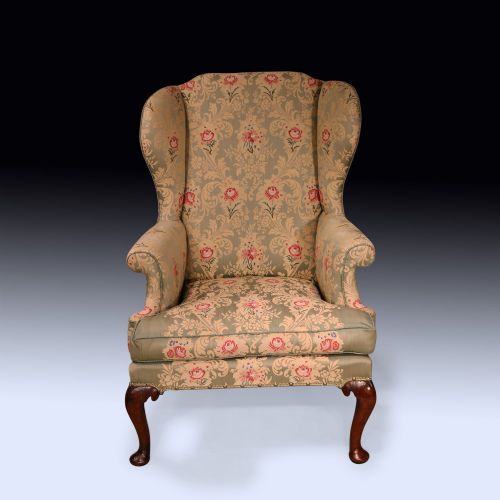
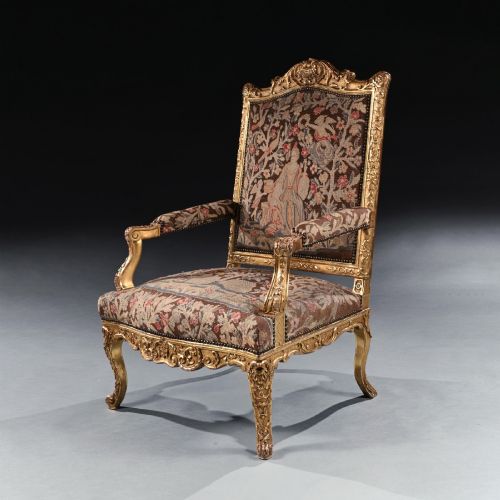
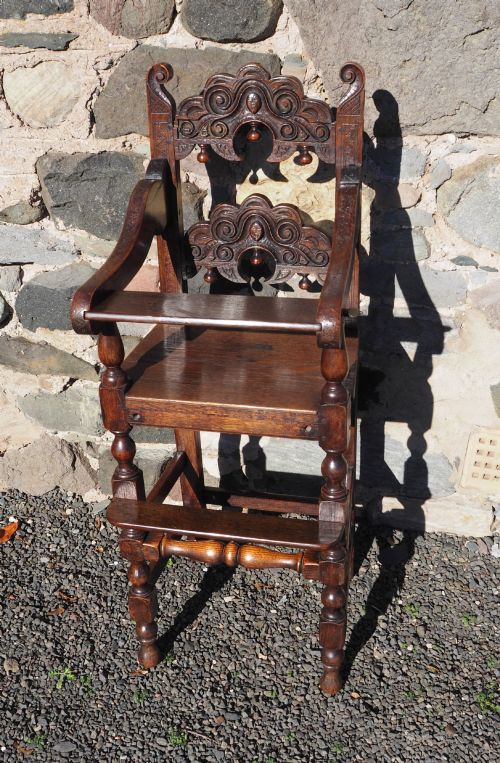
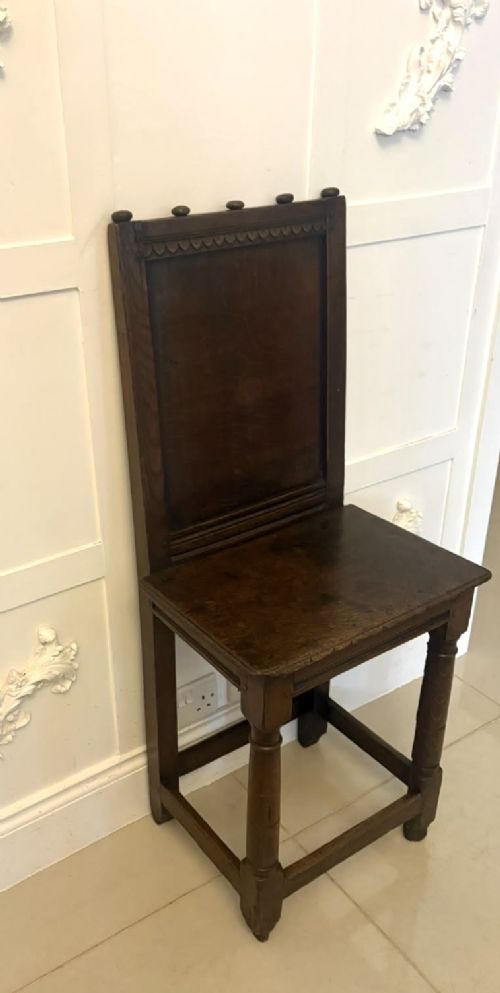
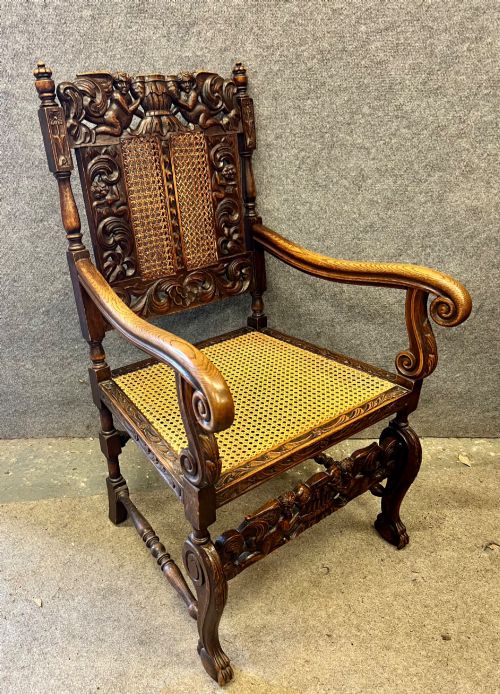
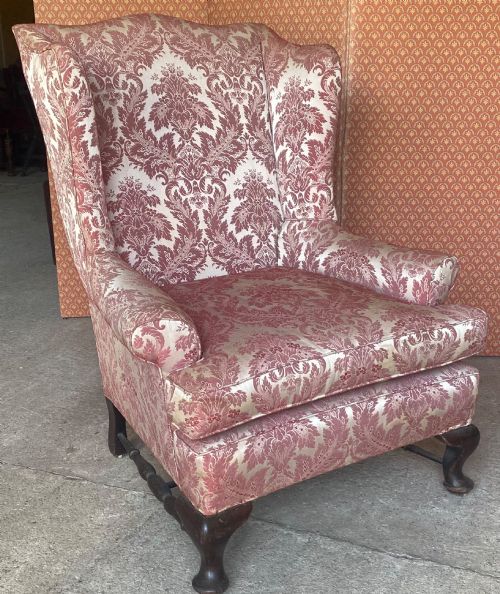
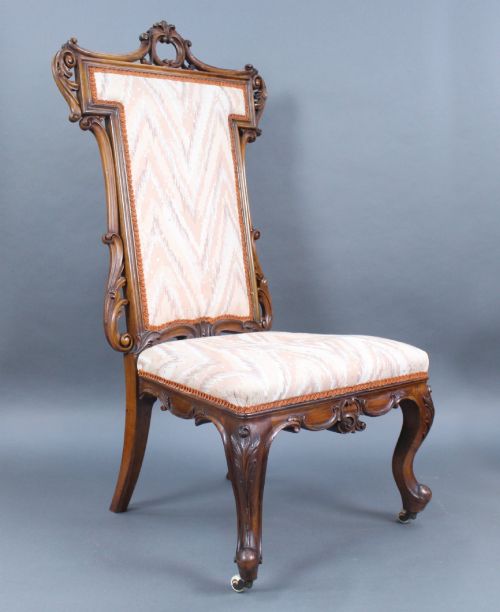
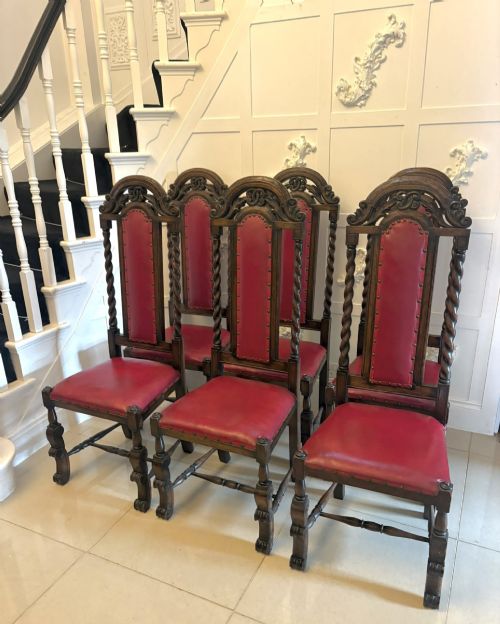
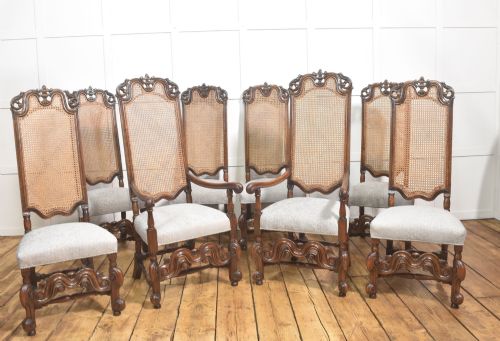
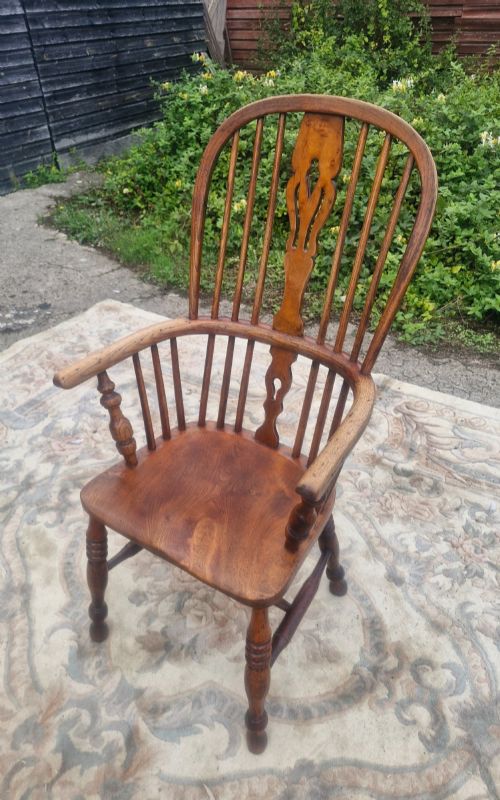
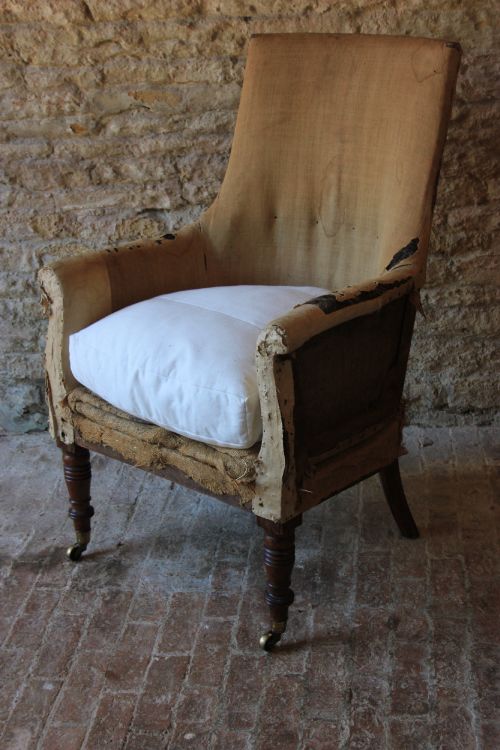
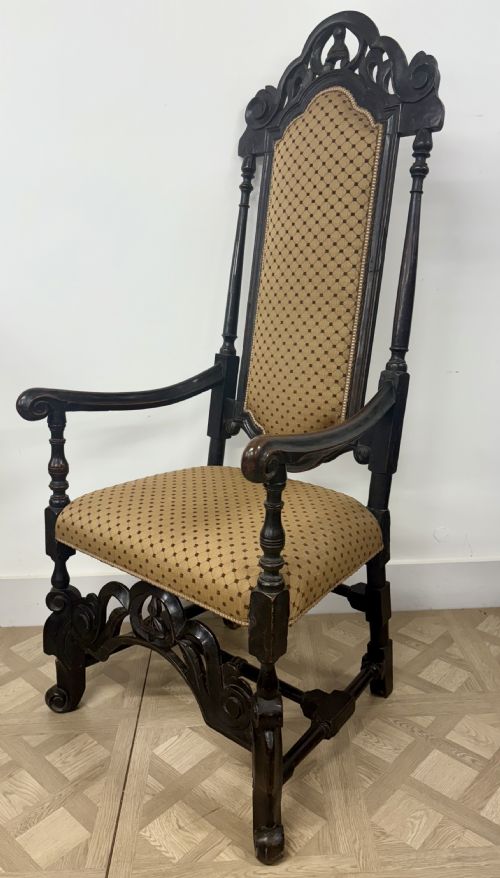
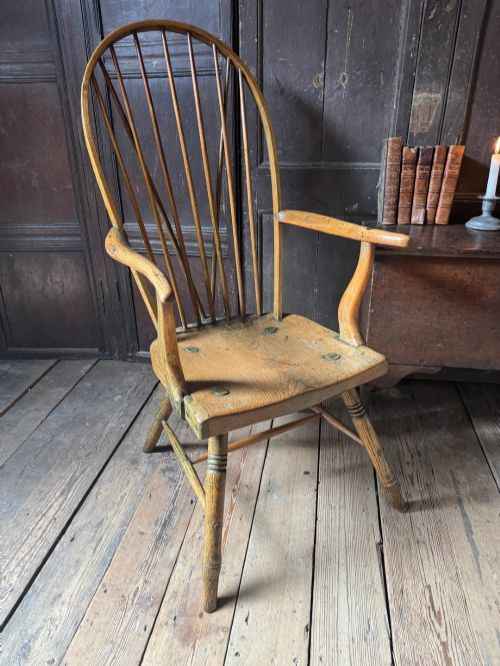
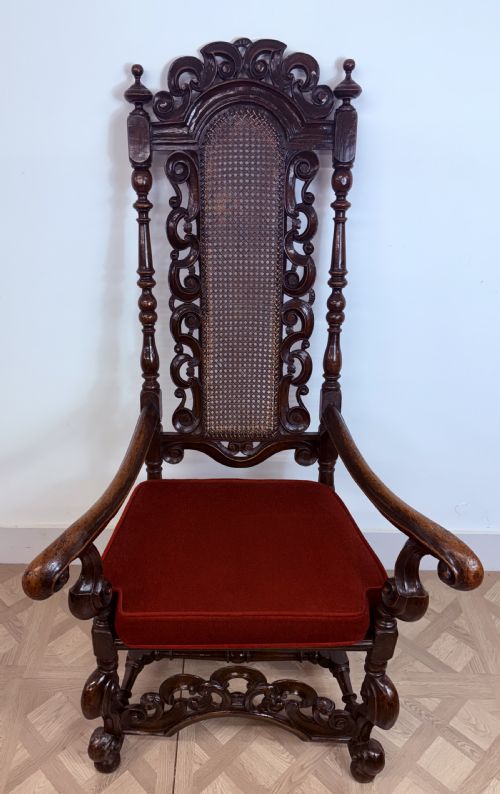
A period high chair is a seating form constructed for children, frequently taking the appearance of miniature adult chairs or incorporating specialised stands. When searching for a period high chair, you encounter examples spanning from the seventeenth century through to the Edwardian era, including joined oak and elm constructions.
The versions most commonly met on this page include sturdy oak and elm country child chairs, alongside formal walnut and mahogany designs raised on fixed stands. These forms reflect the domestic priorities of past centuries, scaling down the comforts of adult seating for the nursery.
How they were made
Makers utilised solid timbers such as oak, elm, walnut, and mahogany, shaping frames through traditional joinery like mortise and tenon. Surfaces often display hand-carved details, turned spindles, and joined construction designed to withstand heavy daily use.
Seating areas frequently employ woven cane, rush, or fitted wooden panels, supported by elevated frames or detachable stands. The structural integrity relies on pegged joints and solid turning rather than modern adhesives.
Period High Chair Retail Price Guide 2026
Typical asking prices for period high chair among the pieces listed under this phrase on Sellingantiques today, from the lower quarter to the upper quarter. They describe what is for sale here now, not the wider market.
Some seventeenth-century child chairs came with built-in trays that doubled as small play desks to keep energetic toddlers occupied.
What varies in quality
The standard of a piece rests upon the crispness of its carved ornament and the integrity of its timber frame. Early joined examples show superior hand-craftsmanship in their pegged joints and turned members.
Proportion and originality dictate the standing of an item, separating utilitarian nursery seating from sophisticated scaled-down furniture made for affluent households.
Dryad of Leicester
The Period High Chair Glossary
- High chair
- A raised seat designed to elevate a child to table height. These forms often incorporate a separate wooden stand or extended legs.
- Joined oak
- Furniture constructed using mortise and tenon joints secured with wooden pegs. This method predates widespread metal fixings and defines seventeenth-century framing.
- Stand
- A separate or integrated base frame that elevates the chair seat. In child furniture, this raises the child to adult dining level.
- Cane
- Woven rattan material used for seats and backs. It offers lightweight flexibility while maintaining structural support in seating.
- Rush
- Marsh grass twisted into cord and woven to form seat platforms. This traditional seating material appears frequently in country vernacular chairs.
Period High Chair: Frequently Asked Questions
What is a period high chair?
A period high chair is an antique seating piece built specifically for children, often scaling down contemporary adult styles for nursery use.
These pieces range from joined seventeenth-century oak examples to eighteenth-century country elm designs and later walnut iterations.
How were high chairs used?
They were utilised in domestic settings to seat young children securely at table height during family meals. Many designs incorporated high backs, enclosed arms, or detachable stands for added safety and convenience.
Their sturdy construction ensured they could withstand the rigours of daily nursery life while matching the prevailing interior style of the home.
How do I live with one?
Placing a high chair in a dining room or hallway introduces architectural warmth and historical texture to a modern interior. They function effectively as sculptural display pieces for textiles or decorative objects.
Keep them away from direct heat sources and sudden humidity changes to protect the historic timber and traditional joints.
How do I date these chairs?
Dating relies on examining the timber species, joinery techniques, and stylistic markers such as turning patterns or carved motifs. Seventeenth-century pieces typically feature joined oak with pegged construction, whereas later examples show mahogany, walnut, or fruitwood.
Comparing the proportions and construction details to dated comparative pieces helps narrow down the period of manufacture.