





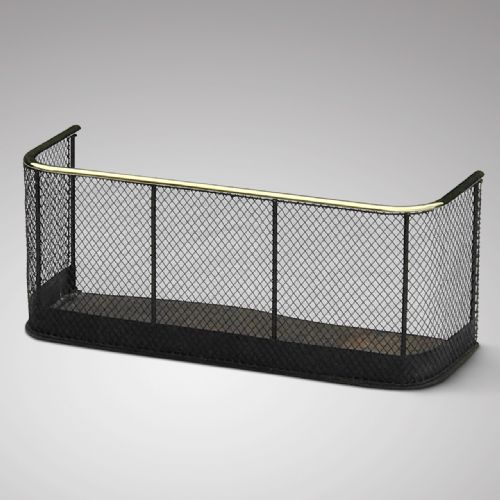
Period Hearth Guard
A period hearth guard safeguards the rug from stray sparks whilst anchoring the fireplace with substantial metalwork.
Period Hearth Guard
A period hearth guard encompasses both spark-defending fireguards and low metal fenders designed to contain ash and wood on the floor. Buyers seeking a period hearth guard will encounter a range of forms, from flat mesh screens to curved metal barriers.
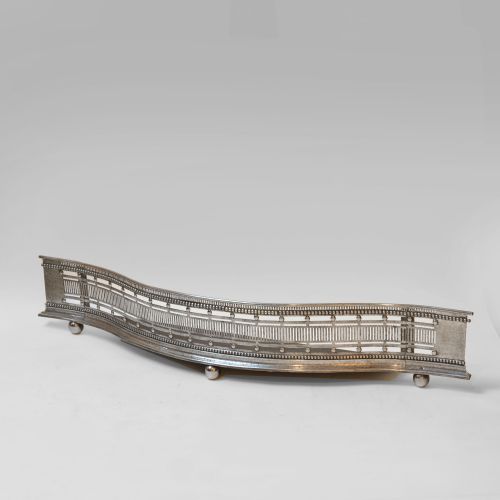
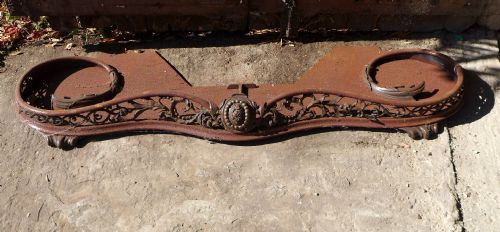
The pieces represented span the Georgian, Regency, Victorian, and Edwardian eras, bringing distinct silhouettes to the fireplace. Georgian and Regency examples often feature sleek steel serpentine fronts or cut steel enrichment, whilst Victorian and Edwardian pieces lean towards heavy brass and cast iron construction.
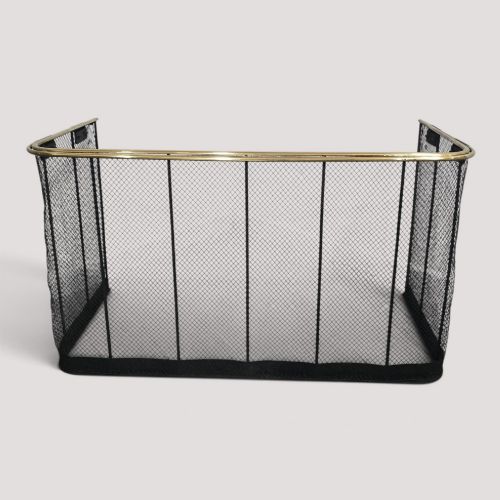
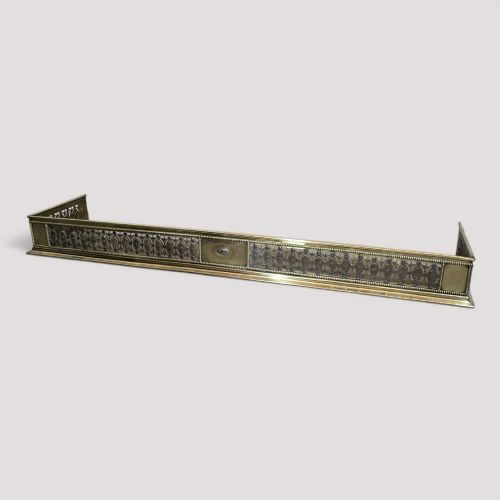
Object types on offer include fireplace fenders, fireguards, and hearth fenders intended to sit directly upon the stone. Most examples integrate brass, steel, iron wire, or cast iron into cohesive designs tailored for period interiors.
Materials and construction
Makers utilised resilient metals such as brass, cast iron, and wrought iron to withstand intense fireplace heat. Steel and cut steel elements were frequently incorporated to add polished contrast and reflective detail to the primary framework.
Many items combine robust iron wire mesh or solid cast iron bases with decorative brass top rails. These varied assembly methods allowed workshops to produce both heavy structural fenders and lighter protective guards.
Period Hearth Guard Retail Price Guide 2026
Typical asking prices for period hearth guard among the pieces listed under this phrase on Sellingantiques today, from the lower quarter to the upper quarter. They describe what is for sale here now, not the wider market.
Cut steel studs were laboriously riveted by hand so they would sparkle like diamonds in the dim glow of the evening fire.
Markers of quality
Quality rests in the substantial weight of the metalwork and the crispness of the surface detailing, particularly where cut steel or scrolled brass is applied. Heavy brass and thick cast iron indicate superior durability compared to lighter gauge alternatives.
The refinement of the silhouette distinguishes finer examples, such as a well-proportioned bowfront or a fluid serpentine shape. Integration of secondary materials like iron wire mesh with solid brass rails points to thoughtful execution.
The Period Hearth Guard Glossary
- Bowfront
- A curved frontal profile that sweeps outward in the centre. This shape is frequently observed on Georgian steel fenders.
- Serpentine
- A gentle undulating line curving inward then outward, creating a dynamic silhouette. It appears commonly on quality period hearth pieces.
- Cut steel
- Faceted steel studs riveted individually to a backing plate to catch the firelight. This technique demands considerable skill.
- Cast iron
- Iron poured molten into a mould to create solid, highly detailed forms. Victorian workshops utilised this method for robust fender bases.
Period Hearth Guard: Frequently Asked Questions
What is a hearth guard?
A hearth guard is a metal barrier placed in front of an open fireplace to contain sparks and protect the floor coverings. These pieces range from upright mesh screens to low boundary fenders.
They serve both a practical safety function and an ornamental role in the room, framing the hearth with period metalwork.
How do I choose the right size?
Measure the width and depth of your fireplace opening and the surrounding hearth stone before selecting a fender or guard. The piece should sit comfortably within the hearth boundaries without obstructing the fire.
Proportion is essential when matching a guard to the scale of the fireplace opening and surrounding mantel.
How do I clean brass fenders?
Clean brass components gently with a soft cloth and a suitable metal polish designed for antiques. Avoid abrasive pads that can scratch the aged surface and remove desirable character.
Regular dusting keeps soot and ash from building up in the crevices of scrolled or pierced designs.
Can I date a hearth guard?
Dating relies on identifying stylistic markers, materials, and construction techniques characteristic of periods like Georgian, Regency, or Victorian. Sleek steel serpentine shapes often suggest Georgian origin, whilst heavy cast iron points to the Victorian era.
Comparing the manufacturing methods against known period styles helps narrow down the date of production.