



Period Hallway Lighting
Period hallway lighting brings character and architectural presence to an entrance, offering tactile metals and textured glass that welcome visitors immediately.
Period Hallway Lighting
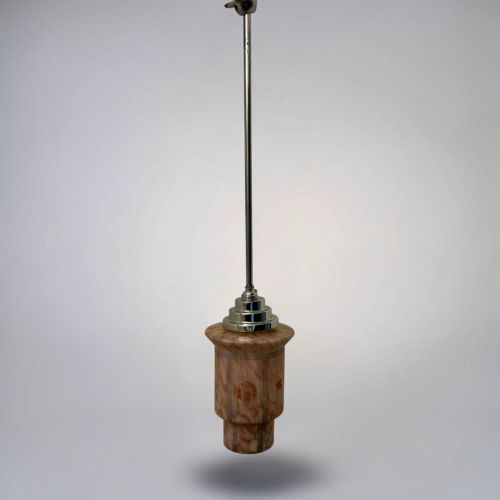
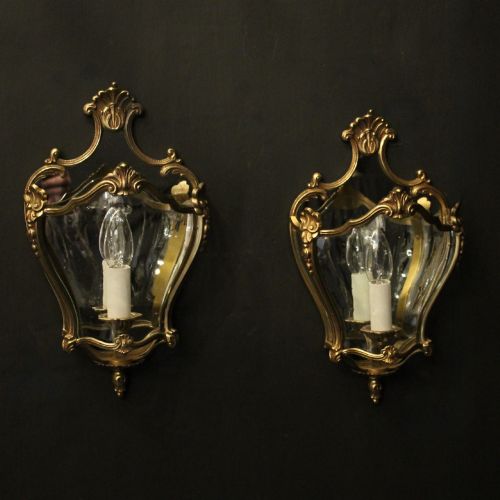
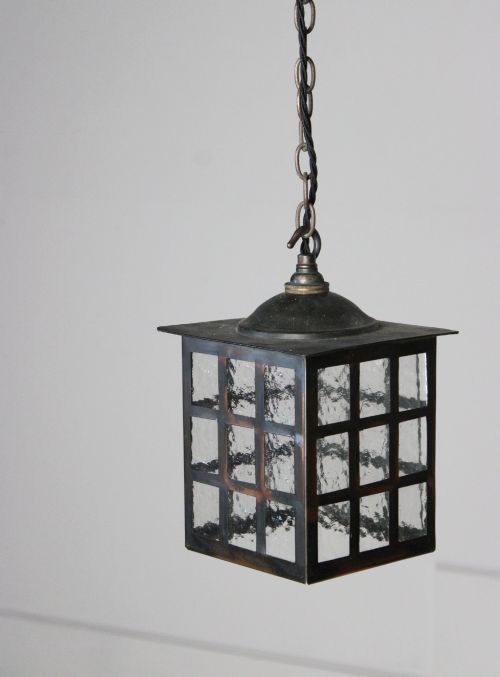
Period hallway lighting encompasses ceiling lights, wall sconces, and hanging lanterns designed to illuminate transitional spaces with traditional craftsmanship. When searching for period hallway lighting, buyers encounter sturdy metal frames paired with clear or frosted glass panes tailored for smaller interior spaces.
The selections span distinct historical movements, including Edwardian designs, Arts and Crafts pieces, Art Deco fixtures, and French stylistic influences. These fixtures establish an immediate sense of era and atmosphere the moment someone steps through the front door.
Hanging lanterns and half lanterns dominate the forms available, often utilising suspension chains or direct wall mounts. Such configurations suit narrow corridors and high ceilings alike, distributing light effectively across entrance halls.
How these fixtures were made
Makers utilised durable metals such as brass, copper, iron, and bronze to construct the structural frames and decorative mounts of these lanterns. Wrought iron and gilded bronze add distinct weight and visual depth to individual pieces.
Glass panels, frequently frosted or clear, were cut and fitted into metal housing to soften bulb illumination. Techniques range from simple soldered joints in Arts and Crafts pieces to ornate casting in French Empire and Louis XV styles.
Period Hallway Lighting Retail Price Guide 2026
Typical asking prices for period hallway lighting among the pieces listed under this phrase on Sellingantiques today, from the lower quarter to the upper quarter. They describe what is for sale here now, not the wider market.
Current listings feature pieces spanning the late nineteenth century through to the 1930s, constructed in brass, copper, iron, and bronze.
What varies in quality
Quality rests in the heaviness of the metal casting and the crispness of applied detail, such as rococo ornamentation or hammered copper textures. Substantial bronze or brass frames hold their structure and polish far better than thin, lightweight alternatives.
The integrity of the glass panels and the precision of the metal joints separate standard commercial items from finer architectural pieces. Original fittings, heavier gauge chains, and hand-worked components distinguish the more ambitious commissions.
The Period Hallway Lighting Glossary
- Half lantern
- A wall-mounted light fixture designed to sit flat against a wall, projecting outward like a bisected hanging lantern. This form suits narrow corridors where hanging pendants obstruct passage.
- Arts and Crafts
- A design movement prioritising visible handcraftsmanship, simple structural forms, and honest materials such as copper and brass. Pieces from this tradition avoid excessive machine ornamentation in favour of robust utility.
- Frosted glass
- Glass treated by acid-etching or sandblasting to diffuse light and reduce glare. It creates a soft, even glow suited to entrance halls.
- Gilded bronze
- Bronze metal treated with a thin layer of gold leaf or gold powder finish. This technique adds warmth and reflectivity to elaborate French-style lanterns.
Period Hallway Lighting: Frequently Asked Questions
How do I choose the right size lantern?
Consider both the ceiling height and the floor area of the hallway before selecting a pendant or wall light. A fixture must leave enough clearance for people to pass underneath safely while remaining proportional to the space.
Larger entrance halls accommodate substantial triple-light lanterns, whereas narrower corridors benefit from flush ceiling mounts or half lanterns that sit close to the wall.
Where should hallway lights be positioned?
Lighting in an entrance should create a welcoming atmosphere without casting harsh shadows. Central pendant lanterns work well in square hallways with high ceilings, distributing light evenly in all directions.
Wall sconces and carriage-style fixtures serve linear corridors effectively when spaced at regular intervals. They draw the eye along the length of the space while illuminating architectural details.
How do I identify an Edwardian light?
Edwardian lighting often combines brass and copper elements with simpler geometric or neoclassical motifs. These pieces reflect the lighter, more optimistic domestic interiors of the early twentieth century.
Look for clean lines in the metalwork alongside functional frosted or clear glass panels designed to maximise brightness in town and country homes.
Can these antique lights take modern bulbs?
Most vintage fixtures accept standard modern LED or incandescent bulbs provided the lamp holder dimensions match current safety standards. An electrician can easily adapt older wiring during installation.
Warm-white LED bulbs complement the tones of aged brass, copper, and bronze while reducing energy consumption in everyday use.