





Period Gesso Mirror
A period gesso mirror brings a rich gilded surface and classical presence to a room, offering the tactile depth of carved wood and chalk ornament.
Period Gesso Mirror
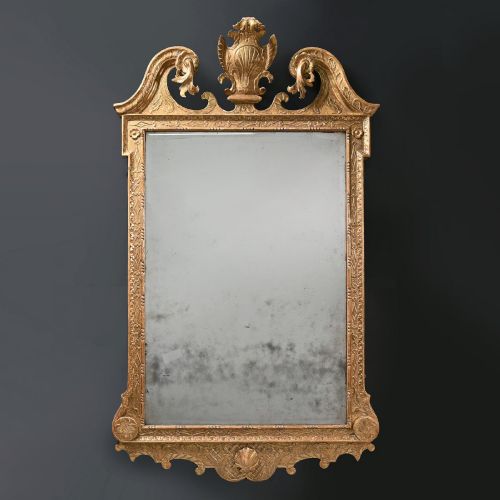
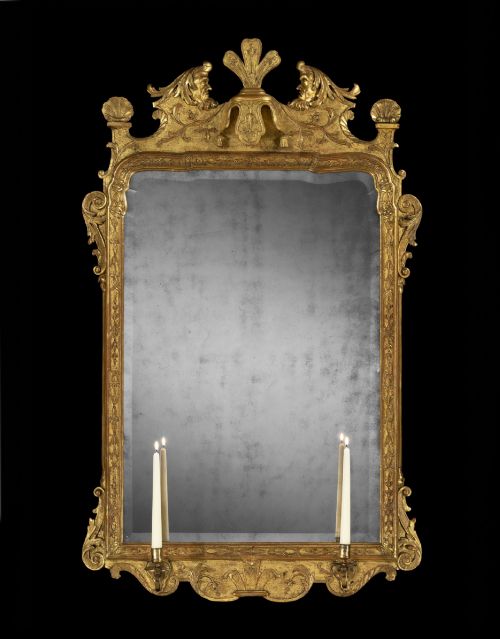
When you search for a period gesso mirror, you are looking at wall mirrors, overmantel mirrors, and picture frames built from wood and layered composition. The examples you are most likely to meet on this page span the eighteenth and nineteenth centuries, alongside revival pieces from the early twentieth century.
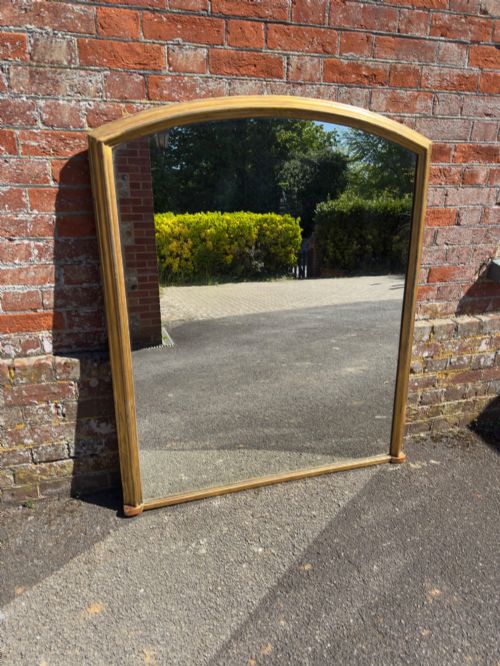
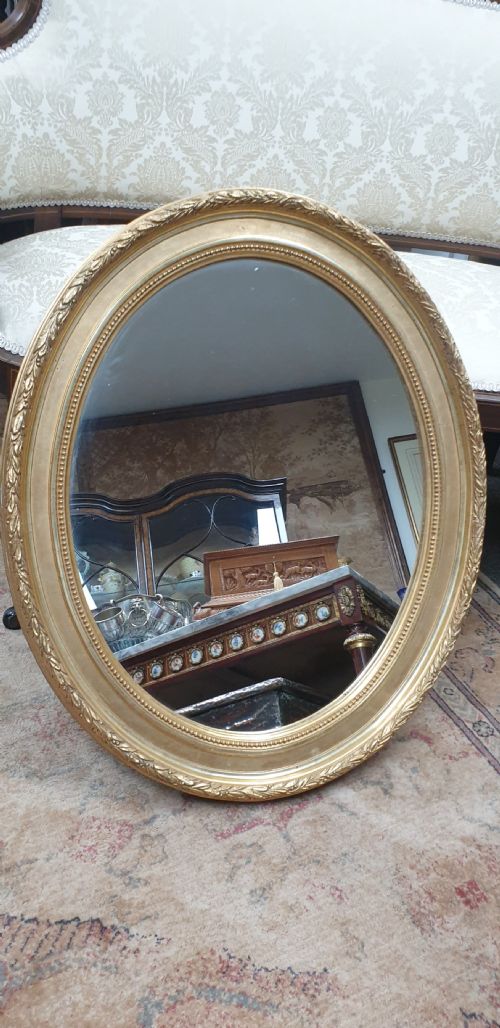
The selection ranges from early eighteenth-century George I and George II designs to Victorian wall mirrors and French Restauration pieces. Forms vary from small vanity mirrors and oval shapes to very large overmantle and pier mirrors.
Many items combine carved wood with gesso and gold leaf, while others utilise painted frames or mercury glass plates. Buyers find both authentic early examples and later interpretations built in historical styles such as Rococo Revival.
How they were made
The construction of these pieces relies on a timber foundation, often wood or specific timber frames, which is then coated in gesso. Gesso is a mixture of chalk or gypsum and size that provides a smooth, pliable surface for intricate carving and moulding.
Once the gesso layer is applied and shaped, artisans finish the surface with gold leaf or gilding. Many older examples incorporate original mercury glass plates, held within frames of carved giltwood and gesso.
Period Gesso Mirror Retail Price Guide 2026
Typical asking prices for period gesso mirror among the pieces listed under this phrase on Sellingantiques today, from the lower quarter to the upper quarter. They describe what is for sale here now, not the wider market.
A small vanity mirror manages to bring the grandeur of a French chateau straight onto a modest dressing table.
What varies in quality
Quality in these mirrors rests upon the crispness of the gesso relief and the depth of the gilding. Finer pieces display sharply defined ornamentation that retains its original proportions without heavy restoration obscuring the underlying wood.
The integrity of the glass plate also marks the distinction between grades, as original mercury glass carries a characteristic mottled foxing that differs from plain modern replacements. The relationship between the carved frame and its finish dictates the overall character.
John Belchier
The Period Gesso Mirror Glossary
- Gesso
- A fluid mixture of chalk, gypsum, and binder applied to wood frames to create a smooth base for gilding and relief ornamentation.
- Giltwood
- Timber that has been coated with gold leaf or gold paint, frequently used alongside gesso on decorative frames.
- Mercury glass
- Silvered glass produced by pouring a mercury amalgam behind the pane, leaving a distinctive speckled appearance on antique mirrors.
- Overmantel mirror
- A large wall mirror designed specifically to hang above a fireplace mantelpiece.
- Pier mirror
- A tall mirror intended to be hung on the narrow section of wall between two windows.
Period Gesso Mirror: Frequently Asked Questions
How do I date a gesso mirror?
Dating relies on examining the construction of the timber frame, the composition of the gesso, and the style of the carving. Eighteenth-century pieces often display different joinery and weight compared to Victorian or twentieth-century revivals.
Looking closely at the backboards, fixings, and the silvering on the glass plate helps confirm the age of the piece.
Are gesso mirrors fragile?
The gesso layer is essentially chalk and size over wood, meaning it can chip or crack if impacted. Care is needed when moving or cleaning these frames.
Stable indoor environments away from excessive moisture help preserve the integrity of both the gesso and the gilt finish.
What is mercury glass?
Mercury glass refers to mirrors manufactured using a mercury and tin amalgam behind the glass plate rather than modern chemical silvering. This historic technique creates a softer, deeper reflection with characteristic dark spots.
Finding original mercury plates in eighteenth and nineteenth-century frames adds considerable historic interest to a piece.
Where should I hang an overmantel mirror?
An overmantel mirror is traditionally scaled to sit securely above a fireplace, anchoring the room's central vertical axis. They also function effectively on large expanse walls in hallways or reception rooms.
Due to their substantial weight, wall fixings must be rated to support the combined load of the timber and gesso frame.