




Period Gesso Frame
A period gesso frame brings crisp relief and warm metallic light to any wall, offering centuries of craftsmanship in carved timber and moulded plaster.
Period Gesso Frame
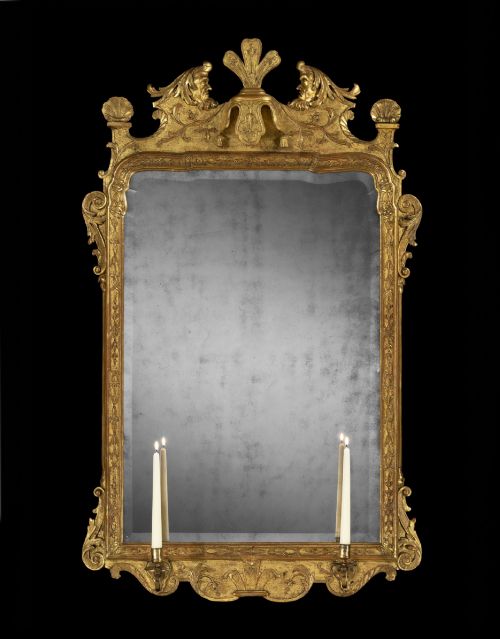
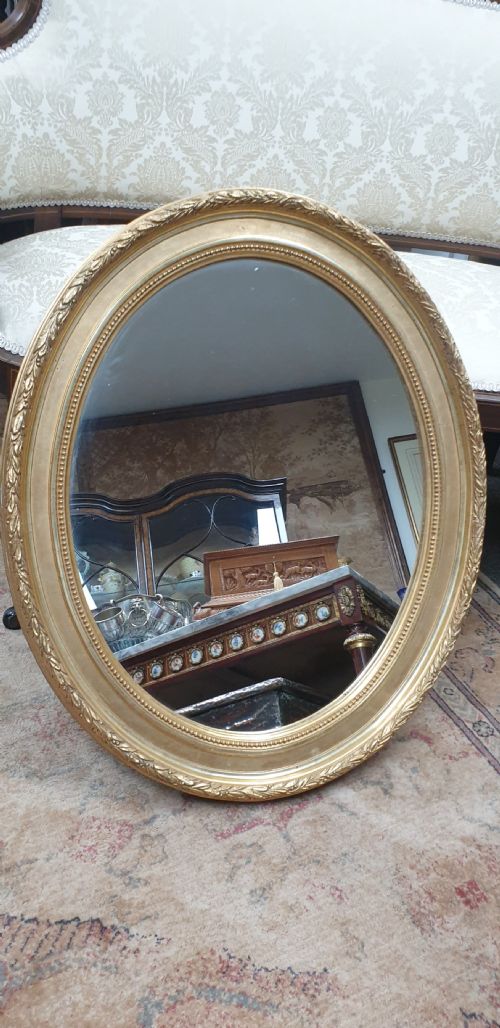
When you search for a period gesso frame, you encounter decorative wall mirrors and picture frames spanning the eighteenth, nineteenth, and early twentieth centuries. The selection on this page ranges from George I examples to Victorian Rococo Revival pieces, French Restauration designs, and Edwardian ovals.
The aesthetic vocabulary stretches from early eighteenth-century classical design to nineteenth-century revival styles and French chateau influences. You find both compact vanity mirrors and very large overmantle wall mirrors suited to principal reception rooms.
Materials and construction
Makers built these frames upon a timber or wood substrate, applying successive layers of gesso - a mixture of chalk and binder - to create a smooth, buildable surface for carving and moulding. This technique allowed artisans to achieve sharp relief details that define the frame's profile.
Surfaces were frequently finished with gold leaf applied over the gesso, producing the characteristic metallic sheen seen across George I and Victorian pieces. Brass components and mercury glass plates appear as integral elements in the mirrors listed here.
Period Gesso Frame Retail Price Guide 2026
Typical asking prices for period gesso frame among the pieces listed under this phrase on Sellingantiques today, from the lower quarter to the upper quarter. They describe what is for sale here now, not the wider market.
Listings feature frames spanning the eighteenth, nineteenth, and early twentieth centuries, utilising gesso, giltwood, timber, brass, and mercury glass.
Judging quality in gesso frames
Quality rests in the crispness of the carved and moulded relief work, where finer examples maintain sharp corner details and deeply undercut ornament rather than softened, blurred contours. The delicacy of the gesso application dictates how well the decorative motifs hold their definition over centuries of existence.
The integrity of the gilding surface also distinguishes superior pieces, particularly where original gold leaf shows even patination rather than heavy modern repainting. Additionally, the presence of original mercury glass plates adds historical weight and visual depth compared to later replacement mirror glass.
John Belchier
The Period Gesso Frame Glossary
- Gesso
- A dense plaster mixture of chalk and size applied to wood frames to provide a smooth surface for gilding and carving. It allows artisans to shape intricate ornamental details.
- Giltwood
- Timber that has been coated with gold leaf or gold paint. It provides the warm, reflective surface characteristic of these antique frames.
- Mercury glass
- A double-walled glass blown with a silvering mixture inserted between the layers, creating a characteristic mottled reflection. It is frequently found in earlier antique mirrors.
- Overmantle
- A large mirror designed to hang directly above a fireplace mantel. These pieces often dominate a room and feature expansive painted or gilded frames.
- Pier mirror
- A tall mirror traditionally hung on the narrow pier of wall between two windows. These frames often match console tables or architectural proportions.
Period Gesso Frame: Frequently Asked Questions
What is a period gesso frame?
A period gesso frame is an antique wooden picture or mirror frame coated in a chalk-based preparation called gesso, which is then typically gilded with gold leaf. These pieces showcase ornamental moulding and carving from historical eras such as the Georgian, Victorian, and Edwardian periods.
They serve both decorative and functional roles in historic interiors, functioning primarily as wall mirrors or picture frames. Their construction combines traditional carpentry with plasterwork techniques developed centuries ago.
How do I date a gesso frame?
Dating a frame involves examining the underlying wood construction, the style of the gesso ornamentation, and the type of glass if a mirror plate is present. Eighteenth-century pieces often display George I or Rococo revival characteristics, while nineteenth-century examples lean towards Victorian neoclassical or heavy revival styles.
Secondary indicators include the fastening methods at the corners and the composition of the gesso layer. Earlier frames frequently utilise hand-cut timber joints and older gilding techniques that differ from twentieth-century reproductions.
How were antique gesso frames used?
Historically, these frames housed important family portraits, fine art, or served as grand wall mirrors in domestic parlours and halls. Large overmantle versions were positioned above fireplaces to reflect candlelight and brighten dark rooms.
Smaller vanity mirrors and picture frames were placed on dressing tables or hung in private chambers. Their primary purpose was to combine functional reflection or framing with striking interior decoration.